
M1 Abrams Tank: Legacy, Upgrades, and the Future of America’s Main Battle Tank
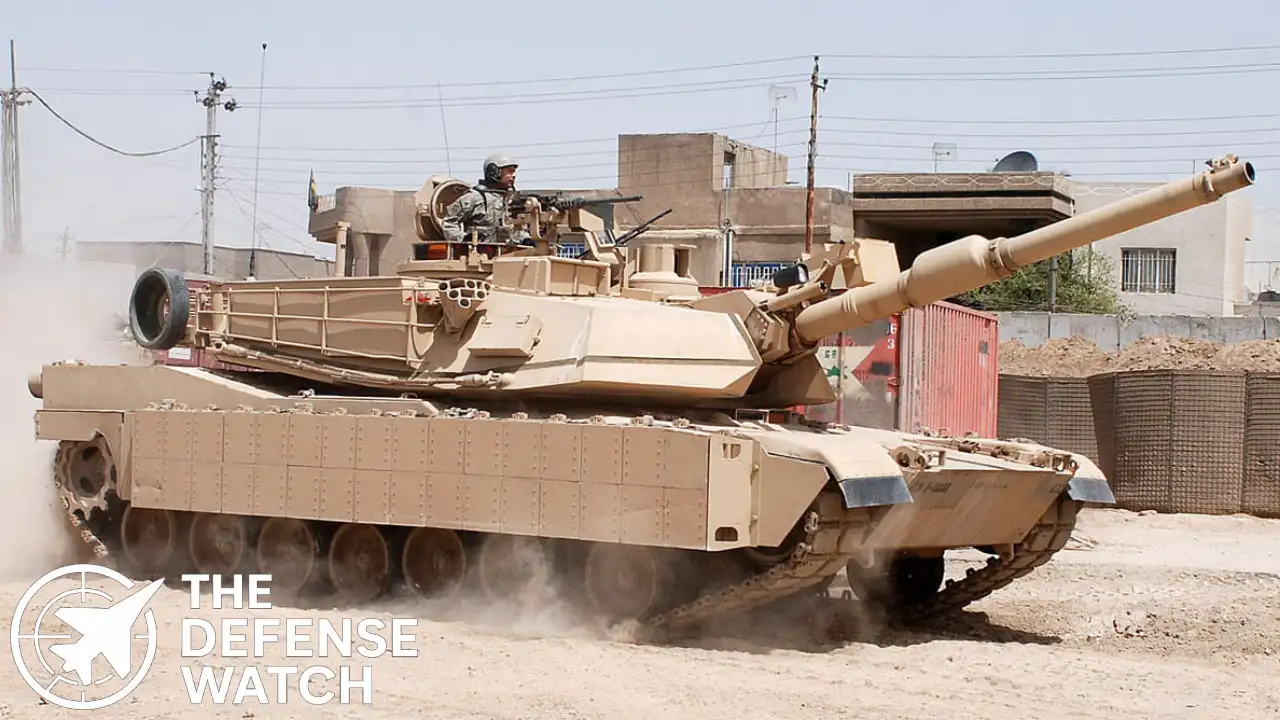
The M1 Abrams tank has served as the backbone of U.S. armored forces for over four decades. First entering service in 1980, it has proven its effectiveness in conflicts from the Persian Gulf to Iraq and Afghanistan. Despite its age, the Abrams continues to undergo major upgrades, ensuring its relevance in a rapidly evolving battlefield shaped by drones, precision weapons, and next-generation armored threats.
Today, the Abrams faces new challenges: peer adversaries like Russia and China are fielding advanced armor, while lightweight anti-tank weapons and loitering munitions threaten heavy formations. The U.S. Army is responding with significant modernization programs to keep the Abrams combat-ready well into the 2030s.
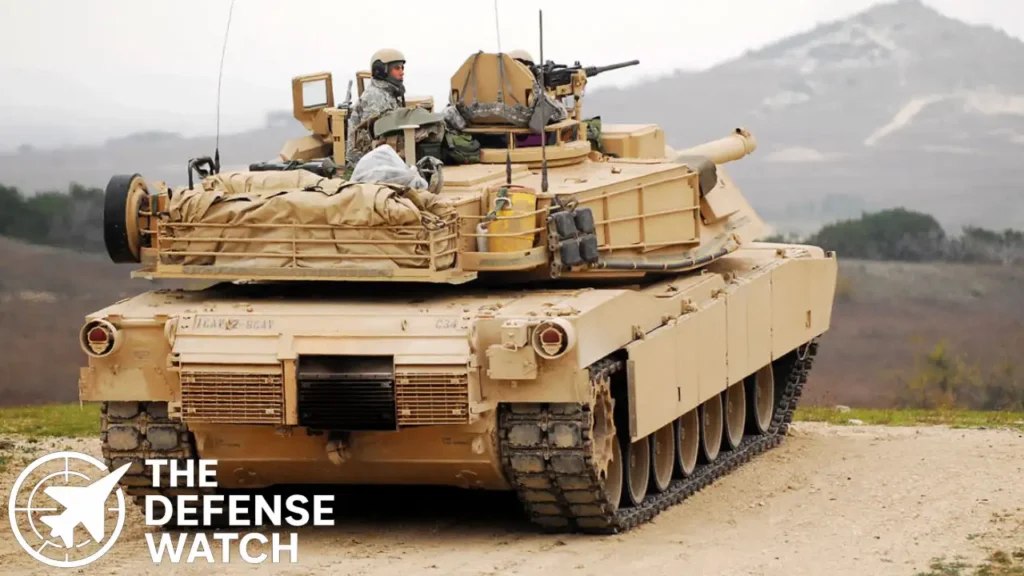
Source: U.S. Army Acquisition Support Center
The Abrams Legacy: From Cold War to Modern Conflicts
Designed at the height of the Cold War, the Abrams combined speed, protection, and firepower. Its 120mm smoothbore cannon, Chobham composite armor, and 1,500-horsepower gas turbine engine set a new global standard for tank warfare.
The Abrams first proved its dominance during the 1991 Gulf War, where it outperformed Soviet-designed T-72 tanks in Iraq. Its battlefield reputation was cemented in the 2003 invasion of Iraq, where it provided decisive armored support in urban combat.
However, those same wars exposed vulnerabilities. Urban warfare and improvised explosive devices (IEDs) highlighted the need for upgraded armor protection, reactive systems, and electronic enhancements.
Modernization Efforts: M1A2 SEPv3 and Beyond
The current production standard, the M1A2 SEPv3 (System Enhancement Package Version 3), represents the most advanced Abrams variant in service. Key upgrades include:
- Improved armor protection against kinetic and chemical energy threats.
- Enhanced power generation to support modern electronics and battlefield networking.
- Upgraded communications systems for joint, multi-domain operations.
- Active protection systems (APS) such as Trophy to counter anti-tank missiles.
The upcoming M1A2 SEPv4, now under development, will further integrate advanced sensors, improved lethality, and next-generation targeting systems.
The Abrams in an Era of Drones and Precision Weapons
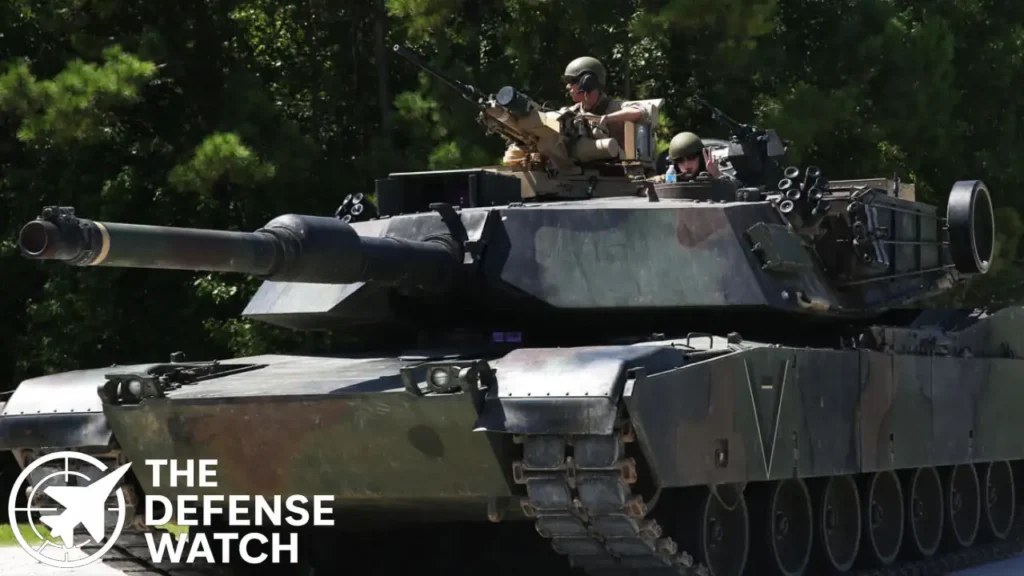
The war in Ukraine has underscored the vulnerability of heavy armor to drones, precision-guided artillery, and loitering munitions. For the Abrams, survivability will increasingly depend on layered defenses, electronic warfare support, and unmanned teaming.
U.S. Army modernization efforts are exploring integration with robotic combat vehicles, allowing Abrams formations to operate with unmanned scouts and decoys. This shift reflects a broader transition from traditional tank-on-tank warfare to multi-domain operations, where armor must survive in contested air and cyber environments.
Future Outlook: The AbramsX and Next-Generation Armor
General Dynamics Land Systems (GDLS) has unveiled the AbramsX technology demonstrator, a lighter, hybrid-electric concept tank that may shape the future of U.S. armored forces. AbramsX promises:
- Reduced weight for greater mobility and deployability.
- Hybrid-electric propulsion for fuel efficiency and reduced heat signature.
- AI-enabled targeting and crew support systems.
While AbramsX is not yet slated for full production, it reflects the Army’s recognition that the Abrams, despite its legendary record, may need a successor within the next two decades.
Analysis: Can the Abrams Stay Dominant?
The Abrams has continually proven adaptable, evolving from Cold War design to counter-insurgency and now preparing for great-power competition. Yet, its future dominance will depend on how effectively upgrades can counter drones, hypersonic threats, and electronic warfare.
While critics argue that heavy tanks are becoming obsolete in the age of drones, the Abrams remains a critical deterrent. It embodies armored presence, survivability, and firepower—qualities still essential on contested battlefields. The key question for the U.S. Army is whether modernization will keep the Abrams viable, or whether a clean-sheet next-generation design is inevitable.
FAQs
The latest operational version is the M1A2 SEPv3, with the SEPv4 currently in development.
The U.S. Army expects the Abrams to remain in service through the 2030s, with future upgrades extending its life further.
AbramsX is a technology demonstrator showcasing hybrid-electric propulsion, reduced weight, and advanced AI systems as potential features of future tanks.
Get real time update about this post category directly on your device, subscribe now.

9 comments
[…] U.S. airpower, while the F-22 remains unmatched in certain pure air dominance roles. Upgraded legacy platforms like the F-15EX and advanced F-16 blocks extend U.S. competitiveness in cost-effective […]
[…] its maturity, the Typhoon continues to evolve, balancing legacy airframes with modernization to meet future threats. As Europe charts its military aviation path into the coming decades, the Typhoon will […]
[…] Middle East but also bolsters Saudi armored capabilities with one of the world’s most advanced main battle tanks. As delivery and integration progress, both countries could further expand industrial cooperation […]
[…] defense systems. In recent years, Warsaw has purchased a range of K-defense platforms, including K2 main battle tanks, K9 self-propelled howitzers, and FA-50 light combat aircraft. The submarine transfer aligns with […]
[…] T-14 Armata was introduced as a new generation main battle tank built around a modular platform, advanced sensors, and enhanced crew protection. While it showcased […]
[…] and Trojan vehicles are based on the Challenger 2 main battle tank chassis. Titan is a bridge-laying platform that enables forces to cross gaps up to 60 metres, while […]
[…] The program follows the Army’s decision to discontinue the M1A2 System Enhancement Package version 4 effort and pivot to the M1E3 modernization path, driven by a need for lighter, more adaptable main battle tanks. […]
[…] technical validation. It signals renewed investment in heavy land forces at a time when European militaries are reassessing armored warfare in light of recent […]
[…] roles such as rapid reaction forces, expeditionary units, and operations in terrain where heavier main battle tanks face […]