
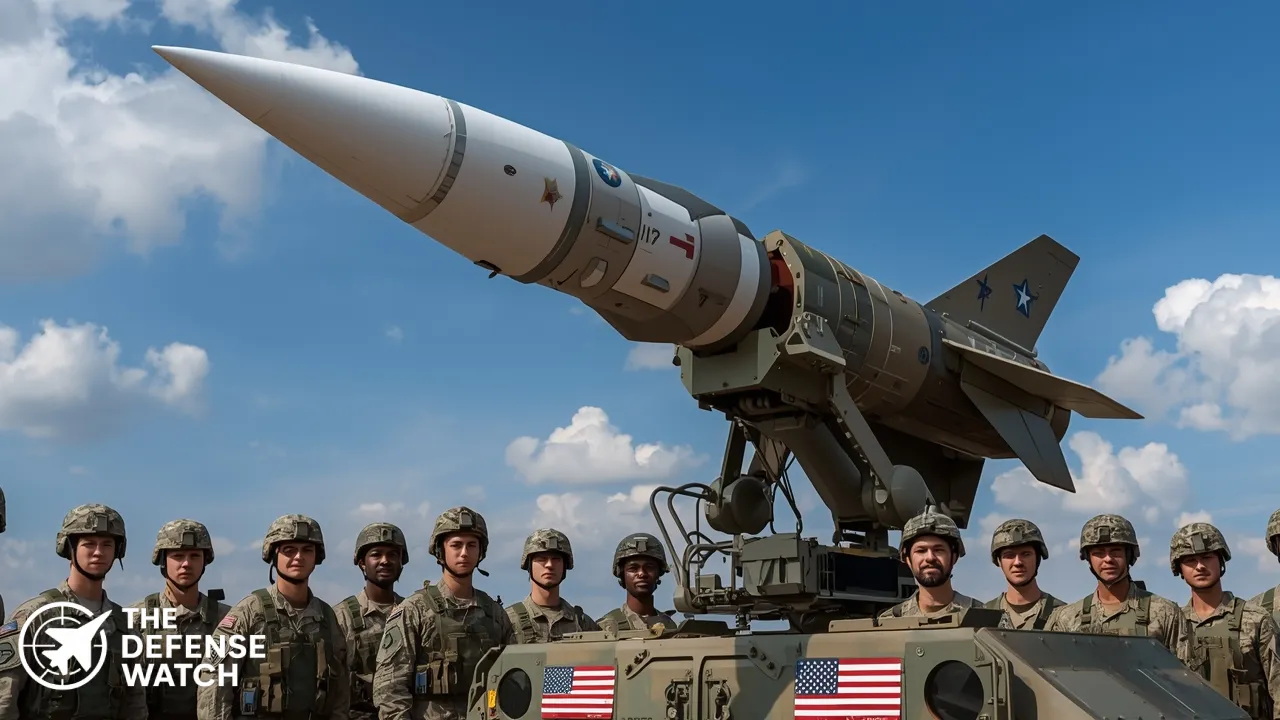
Japan Deploys PAC-3 Missiles to the U.S. for Patriot Stockpile Support
Japan has dispatched its first batch of PAC-3 (Patriot Advanced Capability-3) interceptor missiles to the United States to aid in replenishing U.S. Patriot missile stockpiles. The delivery, announced in November 2025, underscores the close defense collaboration between Tokyo and Washington amid ongoing global missile threats.
The move represents a rare instance of Japan contributing directly to U.S. homeland defense capabilities. The PAC-3 interceptors are advanced surface-to-air missiles capable of targeting incoming ballistic threats with high precision. Japan’s transfer aims to help the U.S. sustain its Patriot air defense inventory as operational demands grow.
Background: Japan-U.S. Missile Defense Cooperation
Japan operates a sophisticated air and missile defense network, primarily designed to counter North Korean and regional missile threats. The PAC-3, developed by Lockheed Martin, forms a cornerstone of both Japanese and American missile defense systems.
The U.S. Patriot missile system has seen increasing deployment worldwide, especially in Europe and the Indo-Pacific, amid heightened threats from ballistic missile programs. Maintaining robust stockpiles is essential for sustained operational readiness. Japan’s contribution highlights the strategic alignment between the two allies and Tokyo’s willingness to support broader regional and global security objectives.
PAC-3 Interceptors: Technical and Operational Details
The PAC-3 missile is a hit-to-kill interceptor designed for rapid response against tactical ballistic missiles, cruise missiles, and advanced aircraft. Key features include:
- Range: Approximately 20–35 km against tactical ballistic missiles.
- Speed: Over Mach 5, allowing for fast interception.
- Guidance: Active radar homing combined with inertial navigation.
- Warhead: Kinetic energy interceptor, minimizing collateral damage.
The Japanese PAC-3 variants sent to the U.S. are fully compatible with American Patriot launch systems, allowing for immediate integration into U.S. batteries. Official statements indicate that the missiles will bolster U.S. inventory while new production lines work to restore stockpiles depleted by previous operational demands.
Strategic Implications
Defense analysts view Japan’s transfer as a significant step in alliance-based burden sharing. “Japan has long maintained advanced air and missile defense capabilities. Sharing PAC-3 missiles with the U.S. is a concrete demonstration of allied cooperation and mutual security responsibility,” said a former U.S. Missile Defense Agency official.
The move also reflects growing concerns about missile threats from countries such as North Korea and Iran, as well as emerging regional challenges. By contributing interceptors, Japan not only supports U.S. defense readiness but also reinforces deterrence in the Indo-Pacific.
Some experts note that such transfers could set a precedent for other allied contributions, especially as global missile proliferation accelerates. For the U.S., receiving allied support helps mitigate supply constraints and ensures continuous operational coverage across multiple theaters.
Future Outlook
The PAC-3 deliveries are expected to continue in phases, with Tokyo providing additional interceptors as part of a broader missile defense support agreement. This partnership aligns with ongoing U.S.-Japan defense dialogues and annual exercises, emphasizing interoperability and collective defense.
Looking forward, further coordination may include joint missile defense tests, integration of next-generation interceptors, and expansion of regional missile warning networks. Analysts predict that allied contributions like this will be increasingly critical in maintaining strategic stability amid evolving missile threats.
Get real time update about this post category directly on your device, subscribe now.
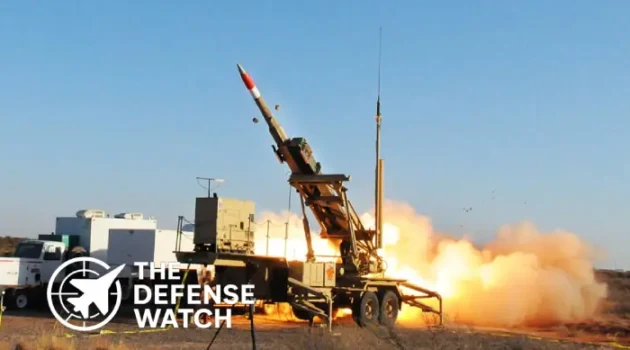

4 comments
[…] from torpedo boats. Over time, they evolved into multi role warships focused on air defense, missile defense, and strike […]
[…] specifications, the system is understood to integrate electro-optical sensors, radar cueing, and missile interceptors, allowing rapid engagement of small and fast-moving aerial targets like Iran-designed Shahed drones […]
[…] To support the ramp-up, Lockheed Martin plans to break ground on a new Munitions Acceleration Center in Camden, Arkansas. The facility is designed to train workers and incorporate advanced manufacturing, robotics, and digital tools for building THAAD, PAC-3, and other interceptor systems. […]
[…] Lockheed Martin Fujitsu partnership reflects broader U.S.-Japan defense cooperation expansion. The countries strengthened security ties following China’s military […]