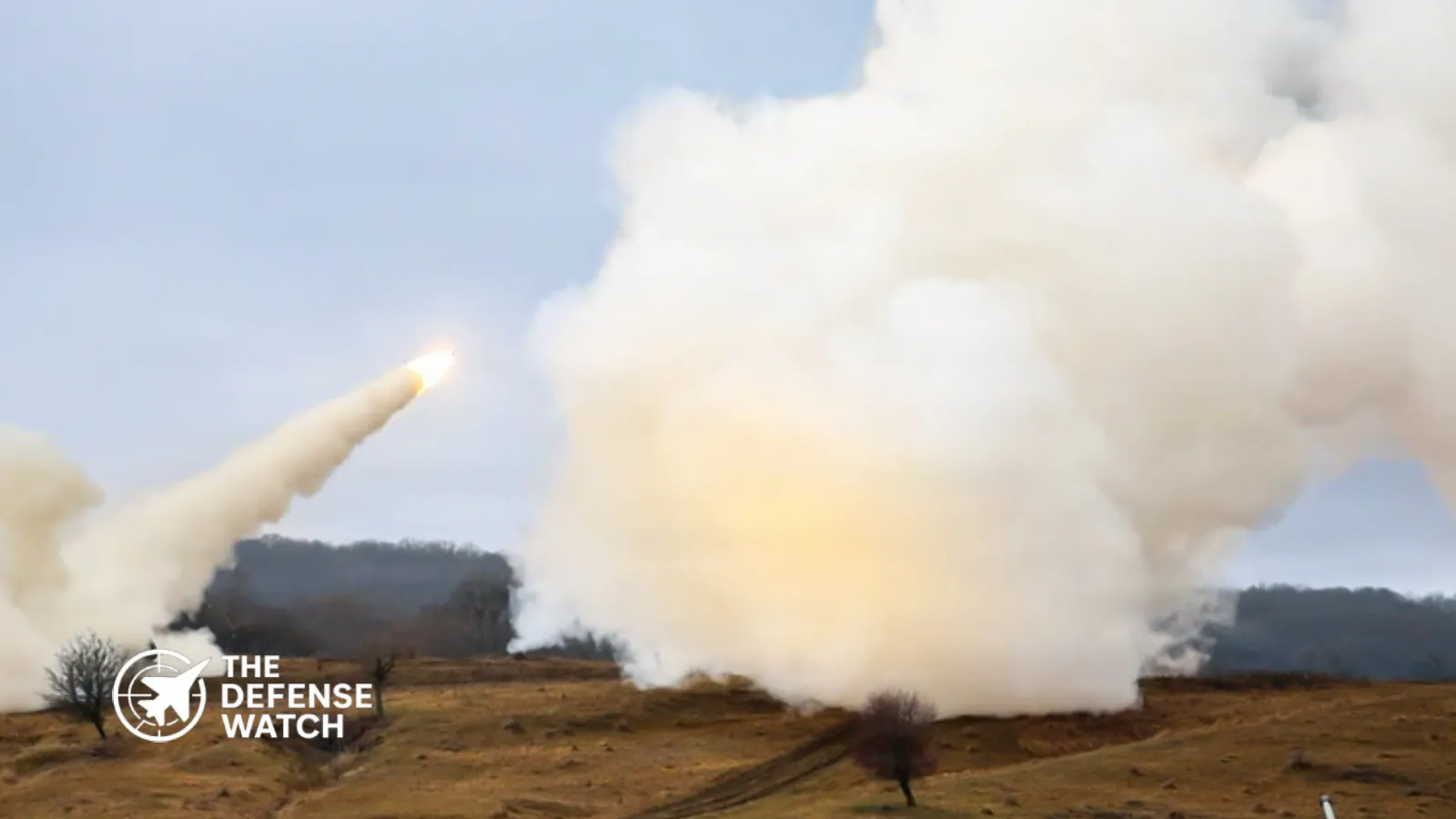
- ► The U.S. Missile Defense Agency selected new industry partners for the Golden Dome homeland defense initiative.
- ► Golden Dome is designed as a layered architecture integrating sensors, interceptors, and command networks.
- ► The system is focused on strengthening U.S. homeland defense against advanced missile threats.
- ► The effort aligns with broader Pentagon modernization and integrated air and missile defense priorities.
- ► The program advances distributed sensing and improved interceptor coordination across domains.
Golden Dome Missile Defense Enters A New Phase
The Golden Dome missile defense initiative has moved into a critical implementation stage following the selection of new industry partners to support homeland defense architecture development.
The decision marks more than a routine contract award. It reflects a structural evolution in how the United States intends to defend the homeland against increasingly complex missile threats, including ballistic, cruise, and potentially hypersonic systems.
At a time when Russia continues to modernize its strategic arsenal and China expands both conventional and nuclear missile inventories, Washington is adjusting its defensive posture accordingly. The Golden Dome concept appears designed to integrate sensors, interceptors, and command networks into a more resilient, distributed shield.
This matters now because U.S. homeland defense architecture, historically focused on limited intercontinental ballistic missile threats, is facing a broader spectrum of capabilities.
Operational Impact On U.S. Homeland Defense
The core operational shift behind Golden Dome lies in integration.
For decades, U.S. homeland missile defense has centered on the Ground Based Midcourse Defense system in Alaska and California, designed to counter a limited number of ICBMs. That architecture remains important, but threat trajectories have diversified.
Cruise missiles, depressed trajectory ballistic missiles, and maneuvering hypersonic vehicles complicate detection and tracking timelines. Golden Dome appears aimed at closing these gaps through layered coverage.
By adding new partners, the Missile Defense Agency is likely broadening sensor fusion capacity, interceptor options, or command and control interoperability. That improves resilience. A distributed network reduces single points of failure and increases shot opportunities.
Operationally, that means faster detection, improved tracking quality, and better fire control solutions. In homeland defense, seconds matter. Integrated architecture can determine whether an interceptor is launched with sufficient confidence.
The shift also signals a move toward greater network centric integration across services. Air Force early warning radars, Navy Aegis capabilities, and space based sensors must operate as a coherent whole.
Industrial And Budget Signals
The partner selection carries industrial implications.
U.S. missile defense has traditionally been dominated by a small group of prime contractors. Expanding participation may introduce competitive pressure, new technologies, or niche specialization in areas such as discrimination algorithms, sensor integration, or advanced interceptors.
From a budget perspective, Golden Dome aligns with congressional emphasis on homeland defense modernization. Pentagon budget documents in recent fiscal cycles have consistently highlighted next generation interceptor development and sensor upgrades.
Selecting additional partners suggests the program is transitioning from conceptual planning to tangible architecture development. That often precedes multi year funding commitments.
For industry, early positioning in Golden Dome offers long term sustainment and upgrade opportunities. Missile defense systems typically remain in service for decades, with recurring modernization cycles.
Comparison With Competing Architectures
Globally, layered missile defense concepts are not unique.
Israel’s multi tiered system integrates Iron Dome, David’s Sling, and Arrow interceptors into a coordinated defense network. While the threat scale differs, the architectural logic is similar.
Russia and China, meanwhile, are investing heavily in advanced offensive missile systems rather than expansive defensive shields. Moscow has modernized its A 135 and A 235 missile defense systems around Moscow, but these are geographically limited.
The United States, by contrast, is attempting nationwide resilience. Golden Dome appears designed not as a city specific defense, but as a continental shield integrating multiple domains.
This approach is technologically demanding and financially intensive. However, it reflects Washington’s assessment that homeland vulnerability to emerging missile threats is no longer theoretical.
Regional And Global Security Context
The timing of Golden Dome’s advancement intersects with several trends.
China’s rapid expansion of silo based ICBMs and development of fractional orbital bombardment systems has altered strategic calculations. Russia continues to deploy hypersonic glide vehicles and advanced cruise missiles.
North Korea maintains active missile testing programs. Iran is expanding regional missile capabilities.
In this context, U.S. homeland defense credibility supports broader deterrence. If adversaries perceive a higher probability of interception, their cost benefit calculus shifts.
However, missile defense also influences arms race dynamics. Adversaries may respond by increasing warhead numbers or deploying countermeasures designed to overwhelm or evade defenses.
Golden Dome therefore operates within a delicate strategic balance.
What Happens Next
The next phase will likely focus on architecture validation.
That includes integration testing, sensor interoperability trials, and potential interceptor upgrades. Congressional oversight committees will scrutinize cost projections and schedule discipline.
Expect additional contract announcements tied to radar modernization, command network software, or interceptor development.
The long lead element remains discrimination. Accurately distinguishing real warheads from decoys in complex threat environments is one of missile defense’s hardest technical problems. Any Golden Dome partner specializing in this area could significantly influence program effectiveness.
Strategic Assessmen
Golden Dome missile defense represents a reinforcement of U.S. homeland deterrence at a time of expanding peer competition.
From a regional balance perspective, it strengthens North American defensive resilience against limited missile attacks. It does not negate large scale nuclear exchanges, but it complicates limited coercive strike options.
Deterrence implications are nuanced. Improved interception capability raises the threshold for adversaries contemplating a small scale or demonstrative strike. At the same time, it may incentivize investment in saturation tactics or advanced penetration aids.
Budget signals suggest sustained congressional backing for homeland defense modernization. That indicates missile defense will remain a central pillar of U.S. strategic posture alongside nuclear triad modernization.
Alliance dynamics are also affected. A credible U.S. homeland shield reassures allies under extended deterrence umbrellas. It signals that Washington is investing not only in forward deployed forces, but also in defending its own territory.
Escalation risks exist if adversaries interpret expanded missile defense as undermining strategic stability. However, U.S. doctrine continues to frame homeland missile defense as limited and threat specific rather than a shield against major nuclear powers.
In practical terms, Golden Dome reinforces layered defense principles. It improves resilience. It signals seriousness of purpose.
For industry, it opens a new competitive arena. For adversaries, it introduces added uncertainty. For allies, it strengthens confidence in U.S. commitment.
That combination explains why this partner selection matters now.
Get real time update about this post category directly on your device, subscribe now.