
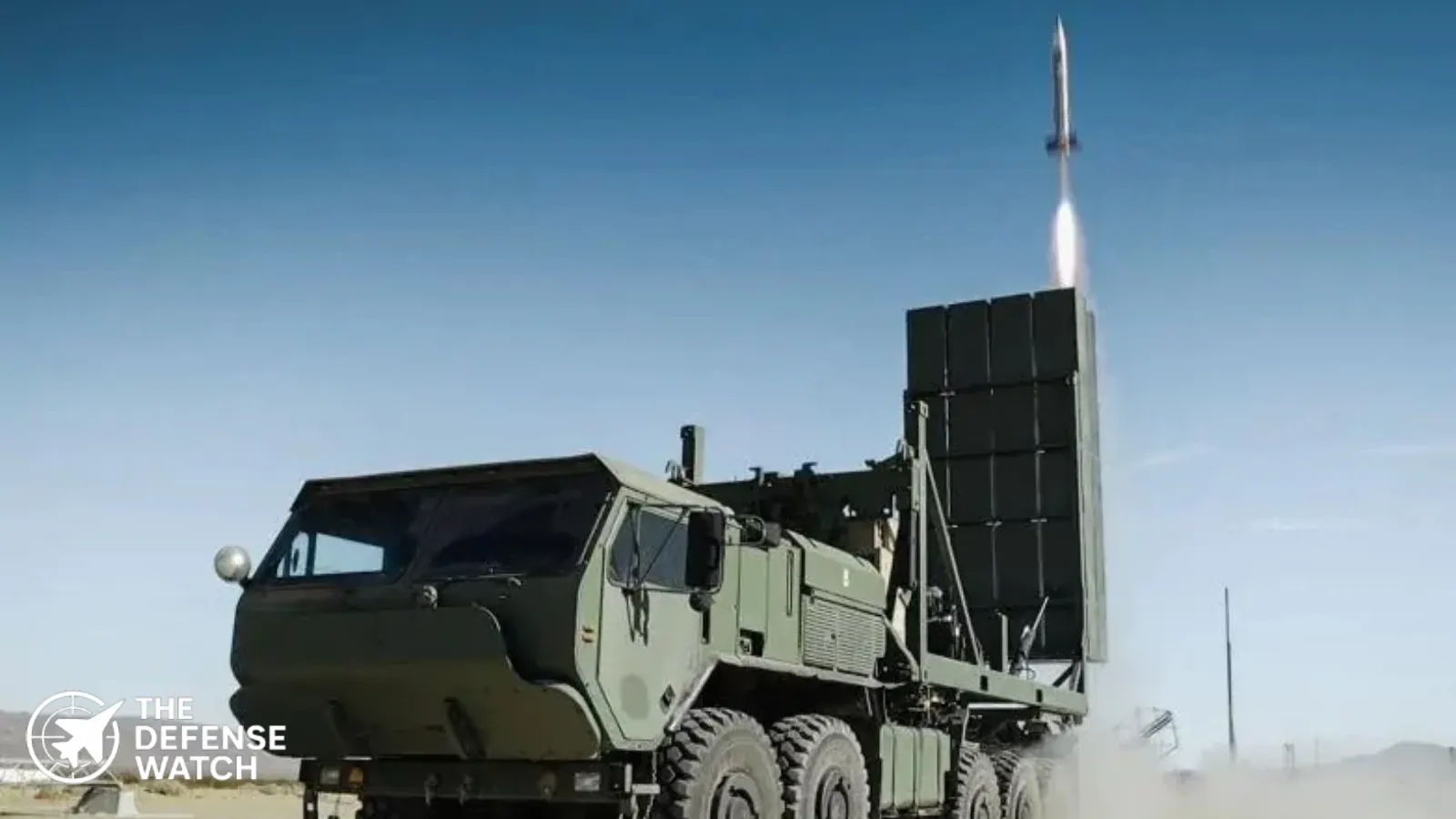
Castelion Project Ranger Hypersonic Campus Takes Shape in New Mexico
Castelion Project Ranger hypersonic campus construction has officially begun in New Mexico, marking a major step in expanding US hypersonic weapons development and testing capacity. The privately funded facility represents a 220 million investment aimed at accelerating design, manufacturing, and flight testing of advanced hypersonic strike systems for the US Department of Defense.
The project reflects growing urgency within the Pentagon to close capability gaps with near peer competitors, particularly China and Russia, both of which have fielded operational hypersonic systems in recent years.
Building a Dedicated Hypersonic Development Hub
The Project Ranger campus is being developed as a fully integrated hypersonic research and production site. According to details released by Castelion, the facility will support the full lifecycle of hypersonic weapon development, from early design and rapid prototyping to ground testing and flight operations.
The campus will include manufacturing halls, propulsion development infrastructure, systems integration labs, and secure test preparation areas. Its location in New Mexico provides access to wide open test corridors and proximity to existing US military test ranges, a critical factor for hypersonic flight programs.
Castelion has positioned Project Ranger as a response to long standing concerns inside the US defense establishment about fragmented hypersonic development pipelines. By consolidating multiple functions at one site, the company aims to shorten development timelines and reduce costs.
Strategic Importance for US Hypersonic Modernization
Hypersonic weapons, typically defined as systems capable of sustained flight above Mach 5 while maintaining maneuverability, are a central pillar of US military modernization plans. These weapons promise the ability to penetrate advanced air and missile defenses and deliver time sensitive effects at long range.
The US Department of Defense has acknowledged that existing acquisition models have struggled to keep pace with the rapid iteration cycles seen in commercial aerospace. Castelion, founded by former SpaceX engineers, is attempting to apply commercial style development methods to military strike systems.
Project Ranger aligns closely with Pentagon initiatives that emphasize speed, iterative testing, and lower cost experimentation. US officials have repeatedly stressed the need for industrial partners that can move beyond traditional prime contractor timelines.
New Mexico Role in Advanced Weapons Testing
New Mexico has long played a key role in US weapons research and testing, hosting major national laboratories and military ranges. The decision to locate the Project Ranger hypersonic campus in the state reinforces its position as a hub for advanced defense technology.
State and local officials have highlighted the economic impact of the project, including high skill engineering jobs and long term infrastructure investment. While Castelion has not disclosed exact employment figures, the scale of the campus suggests a substantial workforce focused on propulsion, guidance systems, materials science, and flight test operations.
The site is expected to support frequent test campaigns, an area where US hypersonic programs have faced setbacks due to limited test availability and range congestion.
Castelion Position in the US Defense Industrial Base
Castelion has emerged as one of several new defense focused startups seeking to challenge established primes in missile and strike system development. The company has secured interest from the Department of Defense for its approach to rapid development of long range precision weapons, including hypersonic glide and boost systems.
By privately funding the Project Ranger hypersonic campus, Castelion is signaling long term commitment to becoming a major supplier within the US missile industrial base. This model reduces early reliance on government infrastructure and allows the company to maintain tighter control over development schedules.
Defense analysts note that such investments reflect broader Pentagon efforts to diversify suppliers and reduce dependency on a small number of legacy contractors.
Implications for Global Hypersonic Competition
The launch of Project Ranger comes amid intensifying global competition in hypersonic weapons. China has conducted extensive testing of hypersonic glide vehicles and fractional orbital systems, while Russia has fielded multiple hypersonic platforms, including air launched and sea based variants.
US officials continue to emphasize that maintaining credible deterrence requires not only fielding hypersonic weapons, but also building a resilient and scalable industrial base. Facilities like the Castelion Project Ranger hypersonic campus are increasingly viewed as critical enablers of that goal.
The campus may also serve as a testbed for future counter hypersonic technologies, an area of growing concern for US and allied forces.
Get real time update about this post category directly on your device, subscribe now.
