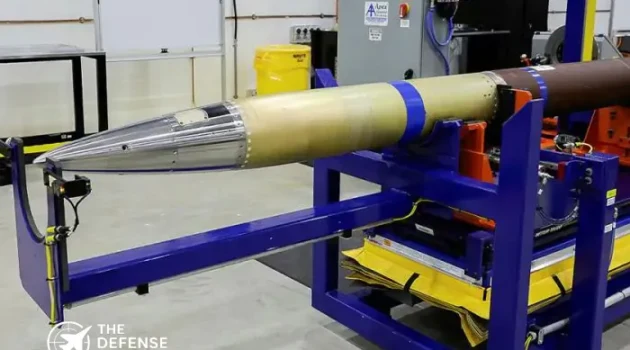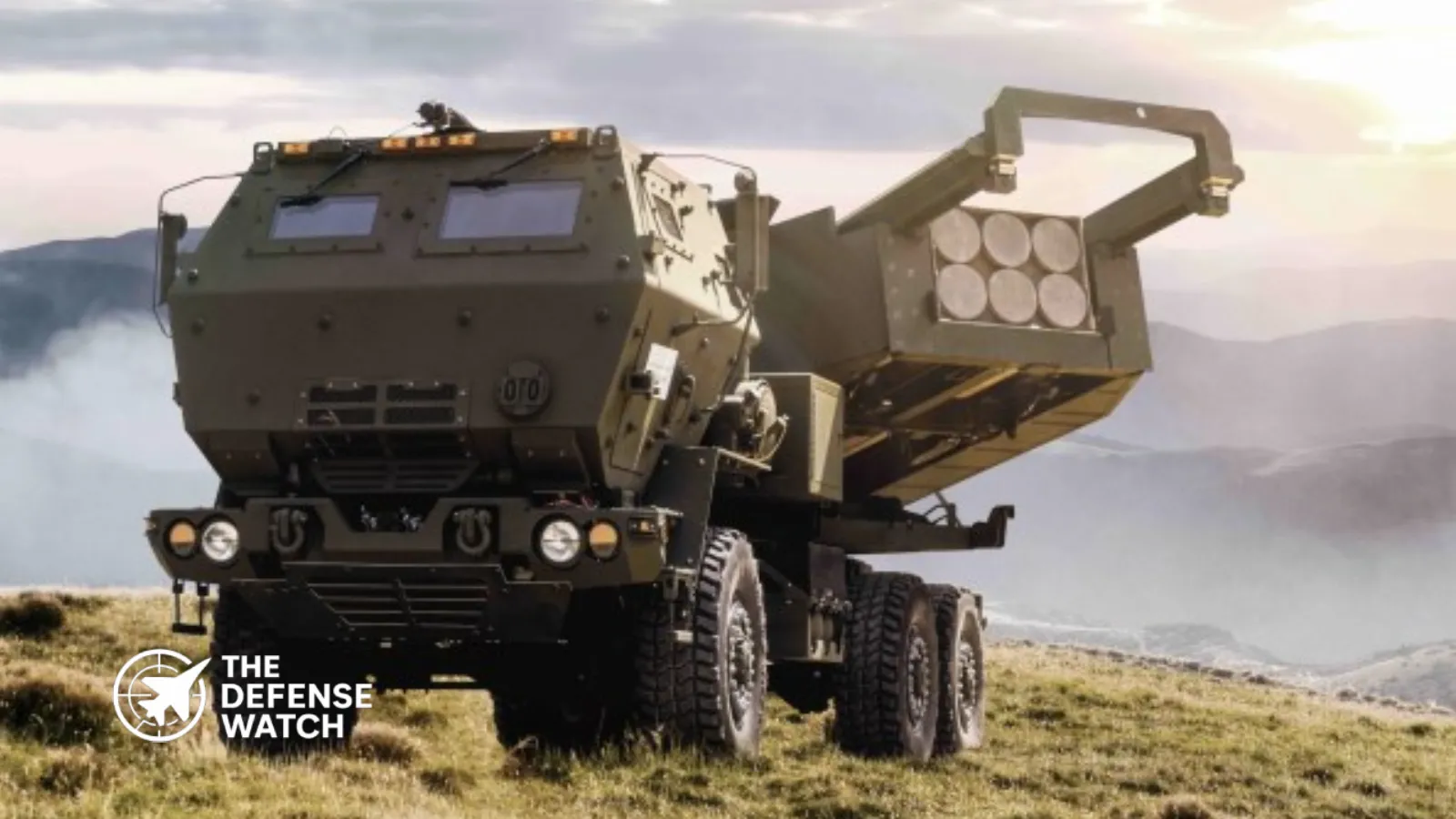
- Australia has begun domestic production of Guided Multiple Launch Rocket System (GMLRS) missiles.
- Initial assembly uses U.S.-supplied components at a facility in Port Wakefield, South Australia.
- Canberra plans to scale production to 4,000 missiles annually by 2029 under its Guided Weapons and Explosive Ordnance enterprise.
- The first production batch is expected in 2026 with oversight from the U.S. Army to certify manufacturing standards.
- The program strengthens Australia’s sovereign missile supply and expands allied long-range fires capacity in the Indo-Pacific.
Australia Launches Domestic GMLRS Production
Australia has launched domestic GMLRS missile production, marking the first time the precision rocket system is manufactured outside the United States. The initiative forms a key pillar of Canberra’s effort to build sovereign long-range strike capability and strengthen allied munitions supply chains.
Production operations began at a new missile assembly facility in Port Wakefield, South Australia, with the first batch expected to be completed in early 2026. The program is part of Australia’s broader Guided Weapons and Explosive Ordnance (GWEO) enterprise, a national plan to expand domestic missile manufacturing and reduce dependence on overseas supply chains.
Australian officials say the country ultimately intends to produce up to 4,000 GMLRS missiles annually by 2029, a scale that would significantly expand global production capacity for the widely used precision rocket system.
The Big Picture
Australia’s move to establish domestic GMLRS production reflects a broader shift among Western nations toward rebuilding munitions manufacturing capacity after years of limited industrial output.
The war in Ukraine exposed severe shortages in Western missile and artillery stockpiles, forcing governments to reconsider the resilience of defense supply chains. Precision rocket systems like the GMLRS have become central to modern land warfare, providing accurate long-range fires for systems such as the HIMARS and M270 Multiple Launch Rocket System.
For Australia, the push also aligns with its evolving defense strategy in the Indo-Pacific, where the country is strengthening deterrence capabilities amid rising regional tensions and expanding Chinese military power.
Long-range precision fires have emerged as a critical component of modern deterrence doctrine, allowing militaries to strike targets far beyond traditional artillery ranges while minimizing collateral damage.
What’s Happening
Australia’s new missile assembly facility in Port Wakefield began producing GMLRS rockets using components supplied by the United States. The first batch will undergo testing after assembly, while the U.S. Army oversees certification to ensure Australian production meets American manufacturing standards.
The facility currently has a production capacity of about 300 missiles per year, but Canberra plans to expand output significantly as new manufacturing infrastructure is built.
A future high-rate production complex under the GWEO program will enable Australia to manufacture up to 4,000 GMLRS missiles annually by 2029, making the country a major contributor to allied missile supply chains.
Lockheed Martin Australia is working with dozens of domestic suppliers, including major defense manufacturers and smaller industrial firms, to integrate Australian components into the production process over time.
Why It Matters
The expansion of Australia GMLRS missile production carries operational and strategic significance for both Australia and its defense partners.
GMLRS rockets provide precision strike capability at ranges exceeding 70 kilometers, allowing artillery units to engage command posts, logistics hubs, air defenses, and other high-value targets. These capabilities are particularly important for mobile rocket artillery platforms like the M142 HIMARS, which Australia is acquiring as part of its long-range fires modernization program.
Domestic production offers several advantages:
First, it ensures the Australian Defense Force can maintain missile supplies during conflicts or supply disruptions.
Second, it strengthens the broader Western industrial base supporting precision strike systems.
Third, it allows Australia to contribute more directly to allied security initiatives in the Indo-Pacific region.
For a country geographically distant from major allied manufacturing centers, sovereign missile production significantly improves operational readiness.
Strategic Implications
Australia’s emerging missile manufacturing capability carries broader strategic implications for regional deterrence.
The Indo-Pacific is entering what many defense planners describe as a missile-centric security environment, where long-range precision fires play a central role in military strategy.
For Australia, the ability to produce thousands of guided rockets annually supports a layered strike capability alongside other new weapons systems, including Tomahawk cruise missiles and future long-range strike platforms.
Equally important, the program strengthens the U.S.-Australia defense partnership. The co-production arrangement integrates Australian industry into the American missile supply chain, increasing collective capacity during crises.
If production reaches the planned 4,000-missile level, Australia would become one of the largest producers of GMLRS outside the United States, significantly boosting allied munitions reserves.
Competitor View
Regional competitors are likely to view Australia’s expanding missile production as part of a broader Western effort to strengthen military deterrence in the Indo-Pacific.
China has invested heavily in long-range missile systems designed to restrict allied military operations in the region. In response, U.S. allies such as Japan, Australia, and South Korea are expanding their own strike capabilities.
From Beijing’s perspective, a growing network of allied missile production facilities increases the resilience of Western supply chains during a crisis.
Russia may also interpret the development within the context of NATO and partner nations expanding missile and artillery manufacturing following lessons learned from the Ukraine war.
What To Watch Next
Several milestones will determine how quickly Australia’s missile production program expands.
First is the completion of initial production and testing of the first Australian-assembled GMLRS rockets in 2026.
Second is the development of the high-rate manufacturing facility planned under the GWEO program, which will dramatically increase annual output.
Third is the integration of Australian suppliers into the global missile supply chain, including the production of rocket motors, warheads, and other components.
If successful, the program could evolve beyond GMLRS to support additional missile systems in the future.
Capability Gap
Australia’s missile production initiative addresses a long-standing capability gap: reliance on overseas suppliers for critical munitions.
Historically, Australia imported most guided weapons from the United States. That approach created potential vulnerabilities in the event of supply disruptions during major conflicts.
Domestic production reduces this risk and allows Australia to maintain stockpiles of precision munitions needed for modern high-intensity warfare.
-
However, the program still depends heavily on U.S. technology transfer and component supply during its early stages. Full sovereign production will take years to achieve as Australian industry develops the required manufacturing capabilities.
The Bottom Line
Australia’s new GMLRS missile production program strengthens sovereign defense manufacturing while expanding allied long-range strike capacity in the Indo-Pacific.
Get real time update about this post category directly on your device, subscribe now.
-