
Israel Approves $1.9B Aid Package for Reserve Soldiers
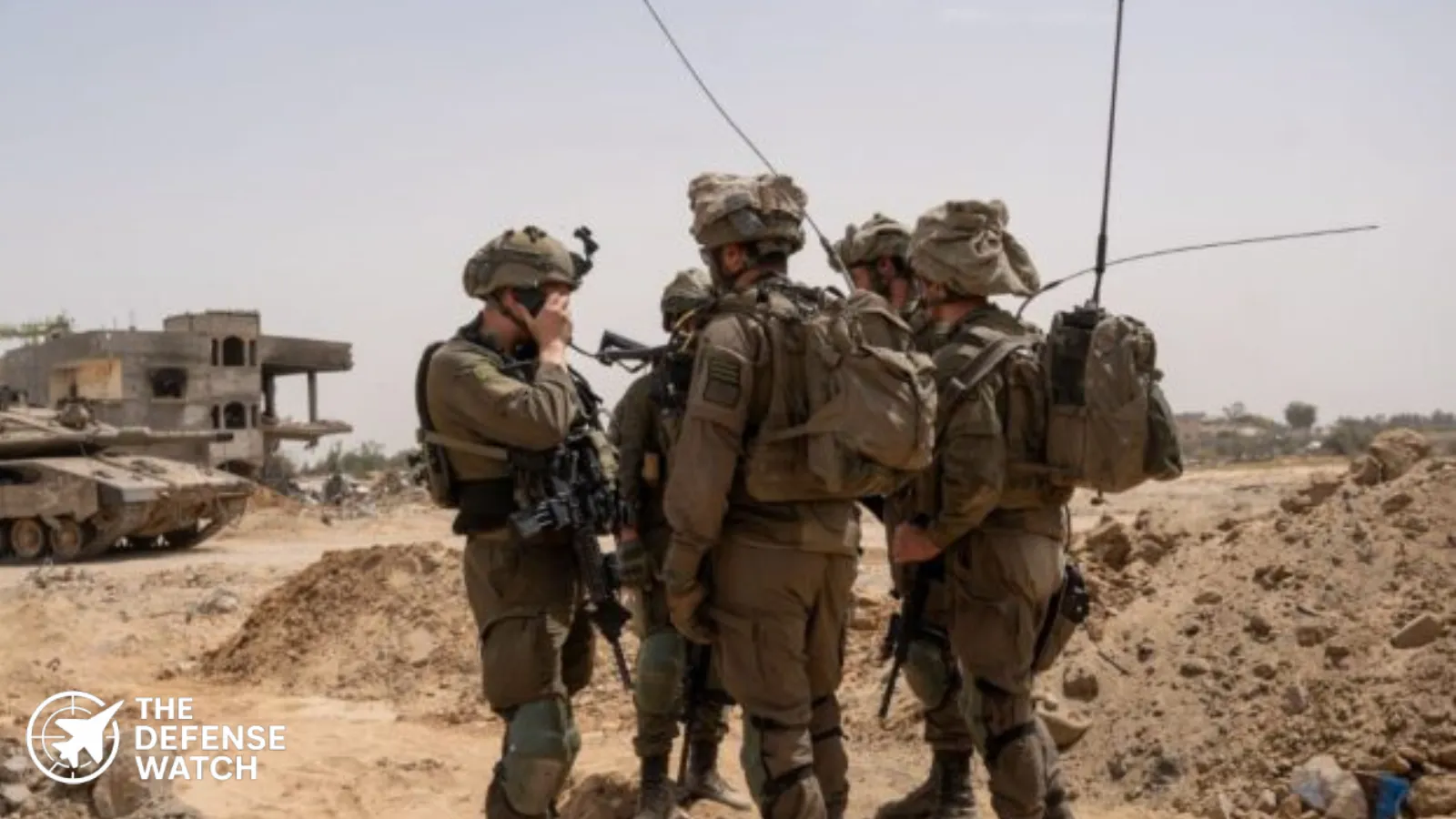
Israel has approved a $1.9 billion aid package for reserve soldiers and their families as part of an expanded support plan for the 2026 fiscal year. The measure aims to compensate the hundreds of thousands of Israel Defense Forces reservists who have been engaged in the countrys ongoing security operations.
The government signed off on the plan on January 25, 2026, allocating NIS 6.2 billion (about $1.98 billion) for financial support and recognition of reservist service members, their families, and small businesses that depend on them.
Defense Minister Israel Katz said the package is designed to reduce service burdens and broaden the range of benefits for reservists. Among the key changes, the plan lowers the threshold of reserve days counted toward eligibility from 60,000 to 40,000, a shift Katz said will ease pressure on troops and families.
Finance Minister Bezalel Smotrich said the funds would be delivered immediately, outside of the formal state budget process, to ensure reservists receive benefits without delay. Reservists are being urged to claim all entitlements, including grants, vacation vouchers, and service cards.
Prime Minister Benjamin Netanyahu described the contribution of reserve service members as central to Israels security posture, noting foreign leaders are struck by the heavy reliance on reservists alongside the standing army.
Scope and Context
The aid package comes as Israel marks more than two years of sustained military operations following the October 7, 2023 Hamas attack, which resulted in significant casualties and the taking of captives. The conflict has extended beyond Gaza into engagements in Lebanon and Syria and periodic strikes in other regional theaters.
Reservists make up a large share of Israels deployed forces. The government has previously debated expanded financial support measures to sustain operational tempo and morale. Prior proposals included direct monthly supplements and long-term economic benefits, with lawmakers adjusting eligibility and tax credit models in parliamentary committees.
Key Provisions
The 2026 reserve aid package includes:
• A reduced service-day requirement for benefit eligibility designed to broaden participation.
• Expanded support for families of reservists, undertaken in coordination with social service frameworks.
• Immediate disbursement through interim budget measures to accelerate access to benefits.
• New tools like fighter cards and vouchers to assist with leisure and recuperation.
Government officials framed the expanded benefits as a recognition of collective national effort and a strategic investment in readiness and cohesion.
Defense and Budget Implications
Israel relies heavily on reservist mobilization to sustain long-term security operations. The infusion of roughly $2 billion for reservist benefits adds to wider defense expenditures already under strain from multi-theater operations. The package should relieve some personal economic pressures on troops and families, though it does not directly fund weapons acquisitions or force modernization.
The immediate allocation outside the formal budget process highlights the political priority attached to reservist support but could raise questions over broader fiscal planning for defense and social programs.
What This Means for U.S.-Israel Relations
While this aid package is funded by the Israeli government, it comes amid ongoing U.S. military support for Israels defense posture. U.S. assistance to Israel since 2023 has totaled tens of billions in foreign military financing and arms transfers, undergirding Israel’s operational capabilities.
There is no direct U.S. funding tied to the domestic reservist package, but the broader context of sustained conflict and allied defense cooperation frames ongoing dialogue in Washington.
Get real time update about this post category directly on your device, subscribe now.
