
- ► Iran and Russia reportedly signed a secret €500 million missile deal in December 2025, according to the Financial Times.
- ► The pact covers delivery of 500 Verba man portable air defense launch units and 2,500 9M336 missiles through 2027 to 2029.
- ► The Verba systems are infrared guided MANPADS designed to target low altitude threats including drones and cruise missiles.
- ► The deal follows damage to Iran’s air defense network during the 2025 conflict with Israel.
- ► The agreement reflects deepening military cooperation between Tehran and Moscow.
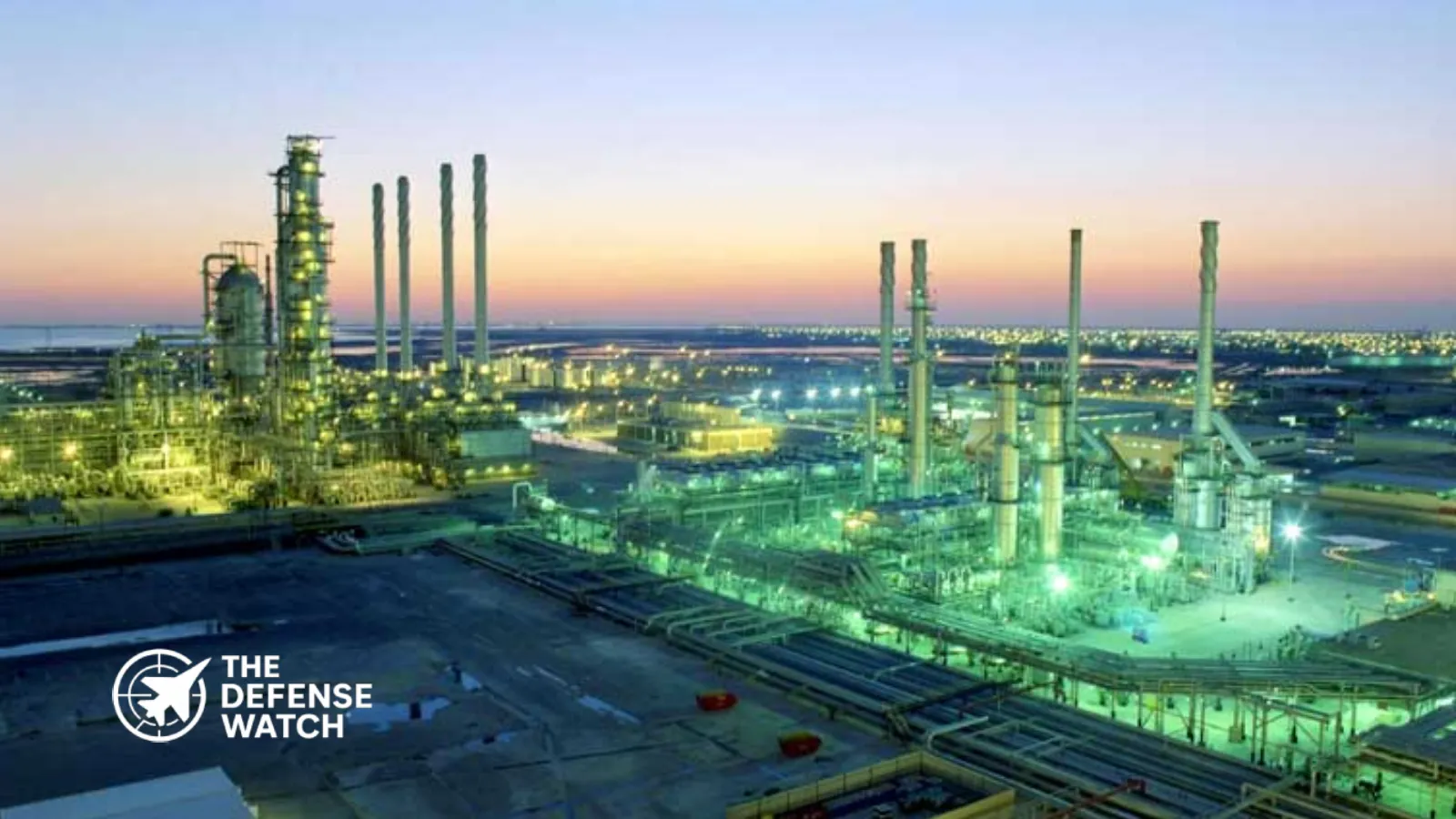
Iran has reportedly carried out a drone strike on Saudi Arabia’s Aramco Ras Tanura oil refinery, one of the largest refining and export facilities globally, located on the kingdom’s eastern coast along the Persian Gulf. Initial reports from multiple sources, including Reuters and Semafor, indicate the attack occurred early Monday morning, March 2, 2026, triggering a small fire at the site. The blaze was described as isolated and brought under control swiftly, with no immediate reports of casualties.
Saudi Aramco responded by halting operations at the refinery — which has a capacity of approximately 550,000 barrels per day — as a precautionary measure. The facility processes crude oil and serves as a critical hub for exports, making any disruption potentially significant for regional and global energy markets.
The strike aligns with Iran’s broader retaliatory posture following intense U.S. and Israeli military operations against Iranian targets over the weekend. Those operations, which began Saturday, resulted in the deaths of Supreme Leader Ayatollah Ali Khamenei and other high-ranking officials, prompting Tehran to launch missiles and drones against Israel and U.S. allies across the Gulf, including strikes on facilities and assets in multiple countries.
Context of Escalation
The attack on Ras Tanura represents a direct hit on Saudi energy infrastructure, escalating the conflict beyond previous exchanges. Reports suggest the drone involved may have been a Shahed-136 type, commonly associated with Iranian capabilities. This follows a pattern of Iranian responses targeting U.S. partners in the region, including reported missile strikes on Riyadh and the Eastern Province.
Broader disruptions include attacks on tankers near the Strait of Hormuz — a chokepoint for roughly 20% of global oil flows — where at least three vessels were hit, leading to halted shipping and vessels anchoring outside the strait. Oil prices surged sharply in response, with benchmarks jumping significantly amid fears of sustained supply interruptions.
Saudi Arabia has not yet issued an official attribution or detailed statement on the incident, though sources cited in reporting point to Iranian involvement. The kingdom’s air defenses, bolstered in recent years, appear to have limited the damage, consistent with past incidents where attacks caused temporary but recoverable impacts.
Implications for Energy Security and Regional Stability
The targeting of Ras Tanura underscores vulnerabilities in Gulf oil infrastructure despite substantial investments in protection systems. Historical precedents, such as the 2019 Abqaiq attack attributed to Iran-backed forces, demonstrated how even limited strikes can cause short-term production halts and market volatility.
In the current context, the strike risks further inflaming tensions between Iran and Saudi Arabia, longstanding rivals whose relations have seen periods of détente but remain strained by proxy conflicts and sectarian divides. With U.S. forces heavily involved and bases across the Gulf targeted, the incident could draw greater international attention to energy route security.
From a defense perspective, the use of drones in this manner highlights evolving asymmetric threats to critical infrastructure. Saudi Arabia’s layered defenses — including Patriot systems and other assets — mitigated worse outcomes, but the penetration indicates persistent challenges in countering low-flying, slow-moving threats.
Oil markets remain highly sensitive to such developments; any prolonged outage at major facilities like Ras Tanura could compound existing pressures from Hormuz disruptions. However, global inventories and spare capacity in other producers provide some buffer against immediate severe shortages.
Get real time update about this post category directly on your device, subscribe now.
