
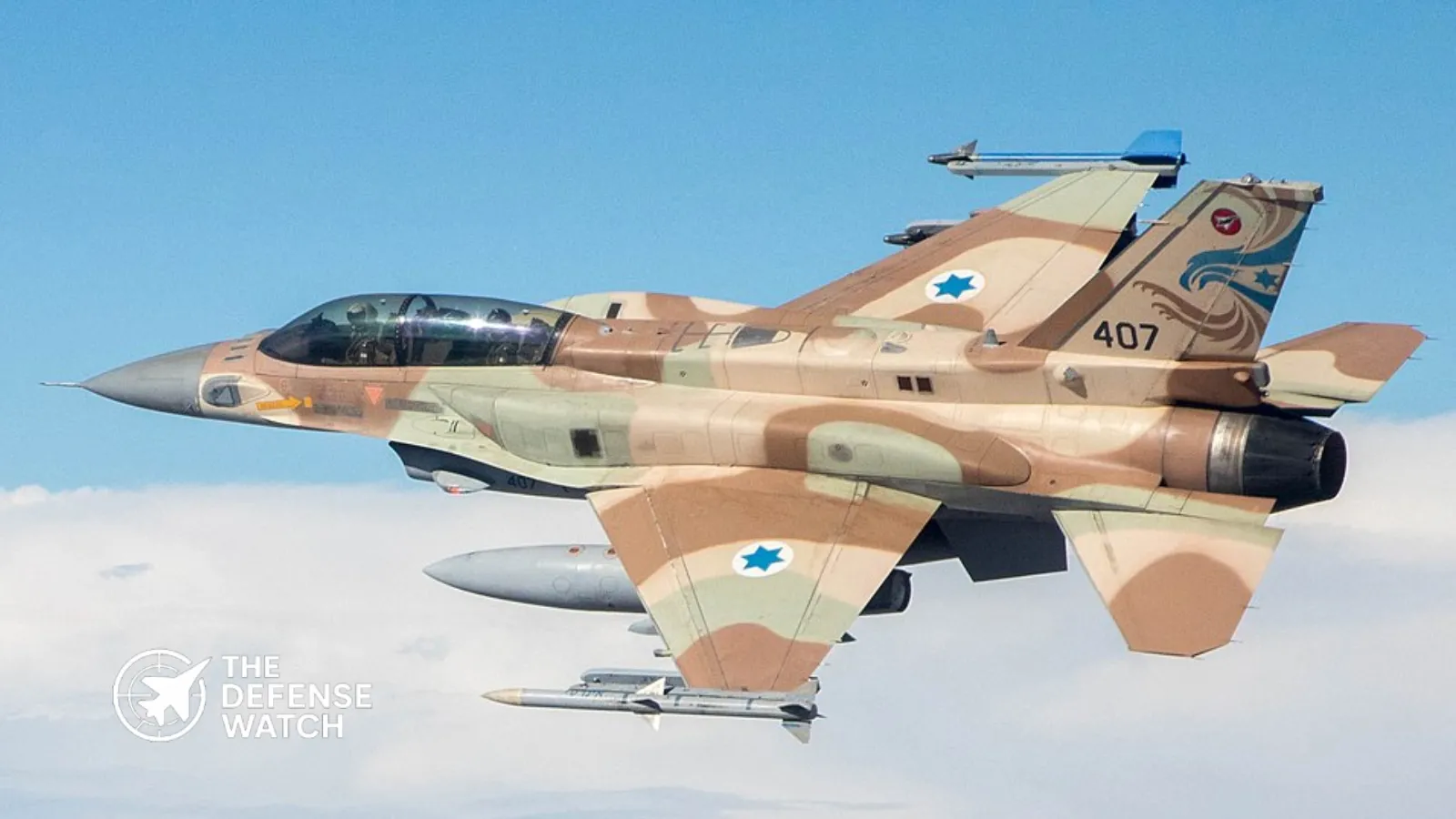
- ► The Israel Defense Forces conducted overnight strikes in southern Lebanon.
- ► Targets included weapon storage facilities and missile launchers linked to Hezbollah.
- ► The IDF said the infrastructure violated existing understandings between Israel and Lebanon.
- ► No immediate casualty figures were released by Israeli authorities.
- ► Border tensions between Israel and Hezbollah remain elevated.
IDF Strikes Hezbollah Infrastructure In Southern Lebanon
IDF strikes Hezbollah infrastructure in southern Lebanon overnight, targeting weapon storage facilities, missile launchers, and military sites, according to an official statement from the Israel Defense Forces.
The Israeli military said the sites were used by the Hezbollah to advance attacks against Israeli forces and the State of Israel. The strikes took place across several areas in southern Lebanon, though specific locations were not disclosed.
In its statement, the IDF said the presence of such infrastructure constituted a violation of the understandings between Israel and Lebanon. The military added that it would continue operating to remove threats along the northern border.
What The IDF Says Was Targeted
According to the IDF, the overnight operation focused on:
- Weapon storage facilities
- Missile launchers
- Military sites linked to Hezbollah operational planning
Israeli officials did not release details on the types of aircraft or munitions used. The IDF did not report Israeli casualties, and there was no immediate independent confirmation of damage assessments.
Hezbollah has not yet issued a formal statement on the reported strikes.
Strategic Context: Northern Border Tensions
The IDF strikes Hezbollah infrastructure come amid continued instability along the Israel Lebanon frontier. Since the escalation that followed the October 2023 war in Gaza, exchanges of fire between Israel and Hezbollah have occurred periodically.
Under UN Security Council Resolution 1701, adopted after the 2006 Lebanon War, armed groups other than the Lebanese Armed Forces and UNIFIL are not permitted to operate south of the Litani River. Israel has repeatedly accused Hezbollah of maintaining military infrastructure in violation of those terms.
The Lebanese government has often denied systematic violations, while Hezbollah maintains that its posture is defensive. UNIFIL has regularly reported tensions and incidents in its periodic briefings.
Operational Patterns And Military Implications
IDF strikes Hezbollah infrastructure in southern Lebanon follow a pattern of targeted air operations designed to degrade weapons stockpiles and launch capabilities before they can be used.
From a military standpoint, storage sites and launchers are high value targets. Destroying launchers reduces immediate firing capability. Striking storage facilities disrupts supply chains and limits sustained operations.
Such operations also signal deterrence. By publicly confirming these strikes, the IDF reinforces its stated red line against advanced weapons transfers and forward deployment near the border.
At the same time, each strike carries escalation risk. Hezbollah maintains a significant arsenal of rockets and missiles, according to assessments by the U.S. Defense Intelligence Agency and Israeli security officials. Any sustained exchange could expand beyond localized incidents.
Legal And Diplomatic Dimensions
The IDF framed the strikes as a response to violations of existing understandings between Israel and Lebanon. While no new formal agreement was cited, Israeli officials have consistently referenced Resolution 1701 and subsequent informal arrangements aimed at limiting Hezbollah activity near the border.
The Lebanese Armed Forces have limited capacity in southern Lebanon, and Hezbollah operates as both a political party and an armed organization. This dual role complicates enforcement mechanisms and diplomatic engagement.
Washington has continued to call for de escalation along the Israel Lebanon border. U.S. officials have supported diplomatic efforts aimed at preventing a broader regional conflict.
Regional Security Outlook
IDF strikes Hezbollah infrastructure in southern Lebanon reflect the fragile security environment across the region. With multiple fronts active and Iranian backed groups operating in Lebanon, Syria, Iraq, and Yemen, the northern Israeli front remains a key flashpoint.
Military analysts note that targeted strikes are intended to manage threats without triggering full scale war. However, miscalculation remains a persistent concern.
For now, Israeli officials say operations will continue as necessary to remove threats. Whether this round of strikes leads to further retaliation will depend on Hezbollah’s response and ongoing diplomatic efforts behind the scenes.
Get real time update about this post category directly on your device, subscribe now.
