
Ukraine Energy Crisis Deepens as Russian Strikes Rip Through Grid
Russia strikes Ukraine energy infrastructure are forcing Kyiv residents to endure one of the harshest winters of the four-year war. The intensifying campaign against power and heating systems has left large parts of the Ukrainian capital without reliable electricity or heat as temperatures plunge well below freezing, compounding humanitarian strain and infrastructure stress.
Widespread Power and Heat Loss in Kyiv
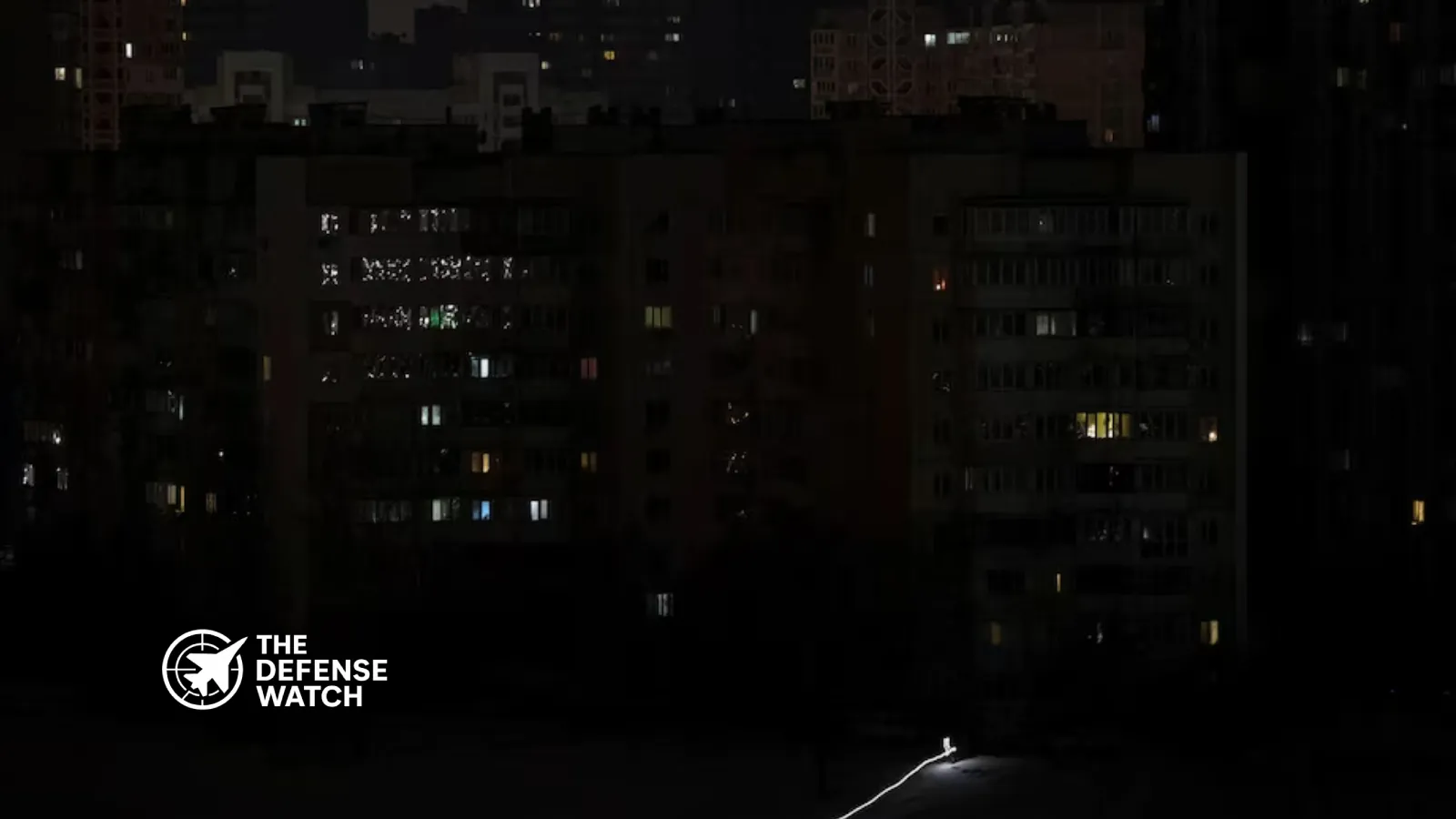
Heavy Russian attacks on Ukraine’s energy grid have disrupted service across the capital and other regions. Nearly 60 percent of Kyiv was without electricity following recent strikes that damaged substations and transmission infrastructure. Thousands of apartment buildings have remained without heat, water and power amid subzero temperatures.
Local authorities report that around 3,000 residential high-rises in Kyiv still lack heating after targeted attacks on energy facilities earlier this week, forcing residents to adopt emergency coping measures.
Independent local reporting confirms that roughly 25 percent of Kyiv’s residential buildings remain without heating, with some households enduring days without basic utilities.
Severe Winter Conditions Exacerbate Impact
Temperatures across central Ukraine have consistently fallen below long-term January averages, with nights well below zero Celsius. In some areas of the capital, temperatures have reached as low as minus 20 degrees Celsius. These conditions increase demand on already strained infrastructure and heighten risks to civilian well-being.
With heating and power intermittent, residents face prolonged exposure to cold inside flats and are resorting to makeshift solutions to stay warm, including wearing heavy clothing indoors.
National Grid Strain and International Support
Ukraine’s grid operator reports a significant worsening of the energy situation following the latest strikes, with facilities operating under emergency repair conditions and some regions experiencing rolling outages. Nuclear capacity, a major source of generation, has also been partially disrupted due to damage to associated infrastructure.
International support is ramping up. Poland has announced the delivery of hundreds of generators and heaters to help sustain essential power in civilian areas. These shipments include units from both the Polish government and European Union funding.
The European Union is also mobilizing emergency generators and coordinating with allies to support Ukraine’s energy needs, acknowledging the scale of outages caused by Russian bombing campaigns.
Broader National Energy Strain
Ukraine’s overall energy system is under heavy strain, operating well below normal demand capacity due to repeated Russian drone and missile attacks since late 2025. Authorities have warned that this has created the most challenging day for the grid since major blackouts in 2022, with repair crews working beyond capacity to restore service.
The impact extends beyond residential buildings. Utilities, water services, logistics and communication networks face heightened risk as prolonged outages disrupt normal operations, according to independent reporting on infrastructure breakdowns.
Humanitarian and Strategic Implications
The ongoing winter crisis highlights a shifting phase of the conflict where attacks on energy infrastructure significantly affect civilian life and national resilience. With sustained cold, the lack of heat and power elevates health risks, particularly among vulnerable populations such as the elderly and children.
The crisis follows a series of strikes that have fragmented Ukraine’s energy network and prompted emergency responses from local and international partners, underscoring the strategic vulnerability of critical infrastructure in modern conflict.
Get real time update about this post category directly on your device, subscribe now.
