Table of Contents
Why It Matters
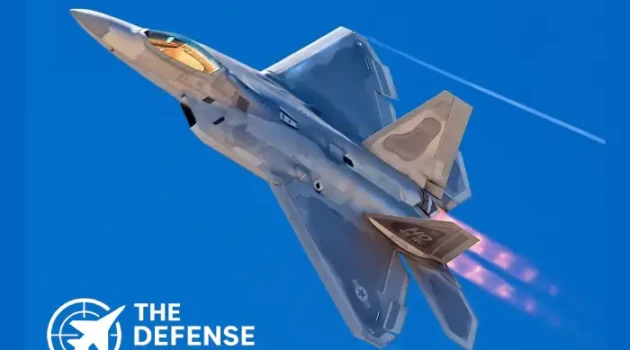
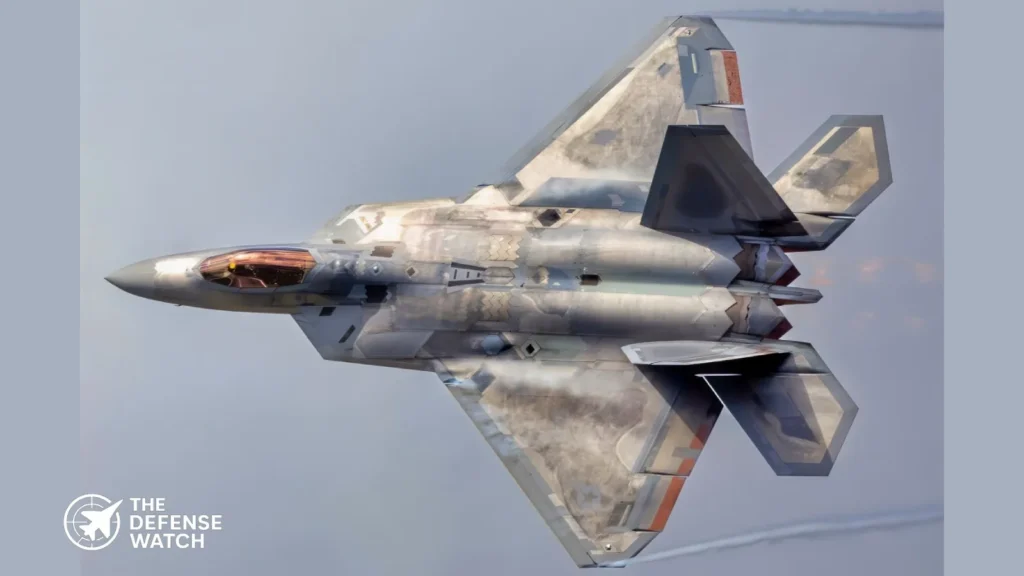
The U.S Air Force is planning a major upgrade to its F-22 fighter, often called the F-22 Super Raptor. This matters because advanced fighters shape the balance of air power among major rivals, especially the United States, China, and Russia. Keeping the F-22 fleet effective into the 2040s helps shorten gaps until next-generation jets arrive and counters the rapid improvement of peer air defenses and aircraft.
What It Is
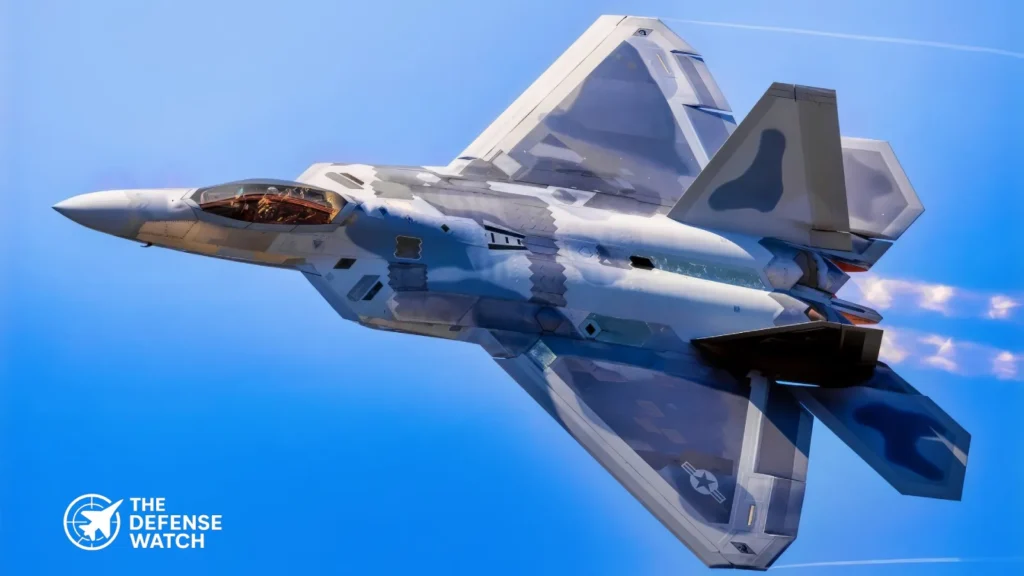
The F-22 Raptor is the Air Force’s flagship stealth air superiority fighter, first deployed in 2005 with sensors, stealth, supercruise, and integrated avionics unmatched when built.
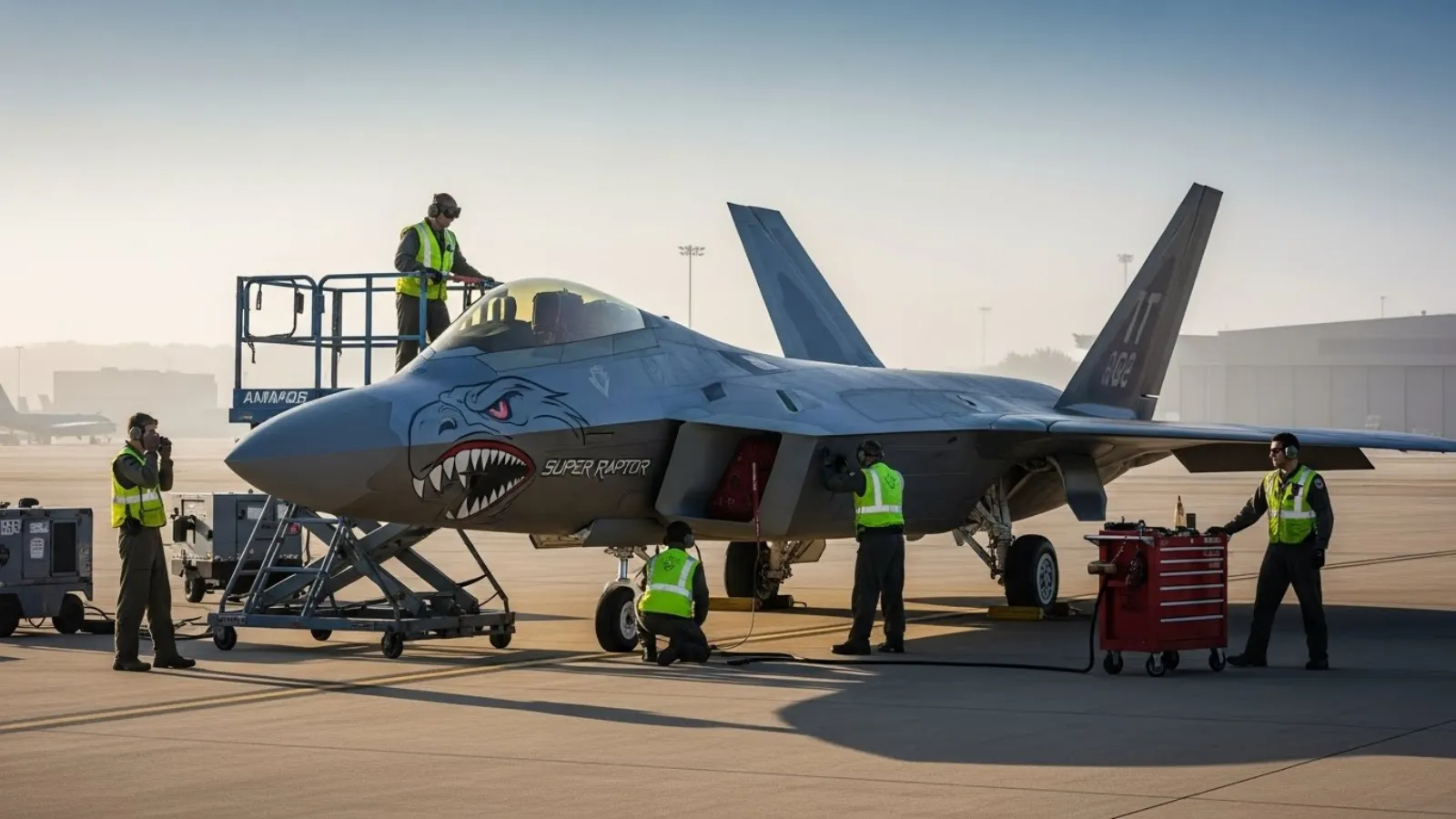
The F-22 Super Raptor is not a new aircraft. It is a set of upgrades to existing F-22s. These upgrades include new sensors, improved radar-absorbent coatings, advanced electronic warfare systems, and modern cockpit avionics drawn in part from future programs.
Because the Air Force can no longer build new F-22s, upgrading existing jets is the fastest way to boost capability.
How It Works
Upgrades focus on stealth and sensing. New radar-absorbent materials can keep the aircraft harder to detect. Advanced sensors and avionics help pilots see threats earlier and act faster. Enhanced electronic warfare systems let the jet jam or deceive enemy defenses.
Some upgrades under discussion also include next-generation radar backends and infrared search and track systems that boost targeting in contested airspace.
In simple terms, the F-22 Super Raptor keeps the same airframe but adds tools to fight better in modern battlefields where sensors and defenses are tougher than when the original jets were designed.
Why It Matters
The main reason this upgrade matters is strategic competition with China and Russia. Both countries are fielding advanced fighters and air defense networks that reduce the gap U.S aircraft once enjoyed. Upgrading the F-22 helps keep its advantage in stealth and situational awareness even as adversary systems improve.
Until the next generation of fighters arrives, upgraded F-22s fill a capability gap. The Air Force’s long-term successor programs like the Next Generation Air Dominance (NGAD) fighter or the new F-47 sixth-generation design will not be fielded in large numbers for years.
Some analysts warn investment in older platforms could divert money from future systems. That concern is real but it works both ways. A sudden capability drop between current and future jets would weaken deterrence if competitors see an opening.
Comparison to Other Systems
Compared to the F-35, another stealth fighter in U.S service, the F-22 excels in air-to-air combat and high-end stealth. The F-35 has broader multi-role weapons loads and sensor fusion for networked operations, but the F-22 still leads in raw air superiority capability.
Compared to Chinese J-20 or Russian Su-57, the upgraded F-22 is expected to keep an edge in stealth and sensor integration, though exact performance against those jets remains uncertain in open sources. This is a common reality in advanced military systems analysis where some capabilities are classified.
Strategic Impact
For Washington, extending the F-22’s life and capability helps assure allies and deter rivals. In the Indo-Pacific, China’s air force is expanding in size and quality. Keeping U.S fighters ahead affects how China plans its force posture and investments.

For Beijing and Moscow, it signals that the U.S intends to maintain aerial dominance even as they field new aircraft and air defenses. That can shape both offensive planning and diplomatic signaling.
For allies in Europe and Asia, a credible, upgraded U.S stealth force can anchor collective defense plans and reassure partners facing pressure from near-peer militaries.
In the long run, success will depend on how well the upgrades mesh with broader U.S strategy, including new fighters, drones, and air defense suppression tools.
Get real time update about this post category directly on your device, subscribe now.