
Sweden Air Defense Investment Grows with 16B Crown Plan
Sweden air defense systems will see a major funding increase after the government approved a roughly 15 billion Swedish crown investment, about 1.6 billion US dollars, aimed at strengthening protection for civilian areas and key infrastructure, Swedish officials said. Reuters reported the move as part of broader defense spending increases tied to regional security concerns following Russia’s invasion of Ukraine.
The plan focuses on short-range systems to shield cities, bridges, power plants and other critical structures from aerial threats. The government said experience from the Ukraine war shows the importance of having robust air defenses across the country.
Government and Military Rationale
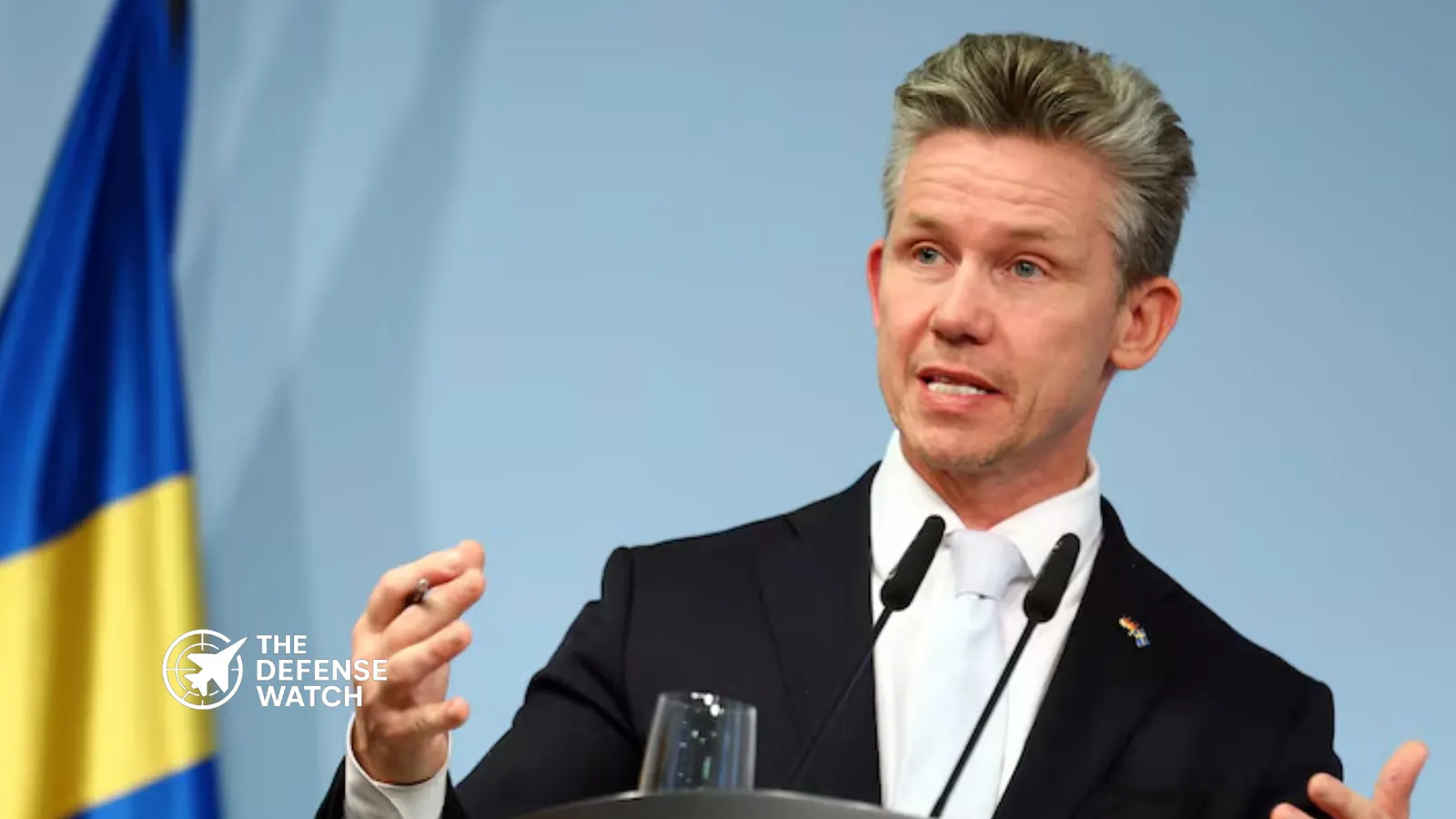
Swedish Defense Minister Pal Jonson emphasized resilient air defense, noting that expanding ground-based capabilities will protect not only military forces but also society at large. The investment will include modular short-range air defense units capable of defending both combat units and civilian infrastructure.
Prime Minister Ulf Kristersson framed the move as necessary given Sweden’s security climate, citing Russia’s ongoing military actions as a key factor. The government also noted earlier air defense procurements and upgrades in recent years.
What the Funding Covers
According to the Swedish government’s press release, the air defense investment will:
- Build ground-based air defense units sized roughly at company level
- Use modular systems that can mix weapon, sensor and radar elements
- Provide deployable and fixed protection for population centres and critical infrastructure
- Include initial industrial orders beginning in early 2026, with further procurements over time.
Sweden’s previous air defense spending includes new mid- and short-range systems and portable air defense, plus investments in airborne radar and anti-drone systems.
Broader Context in European Defense
This decision aligns with wider European defense trends, where nations are increasing spending on air and missile defense in response to heightened geopolitical risks. Many European countries view layered air defense as central to deterring aerial threats and supporting NATO collective defense.
Get real time update about this post category directly on your device, subscribe now.
