Navy Demonstrates AI-Enabled Autonomy for Future Collaborative Combat Aircraft
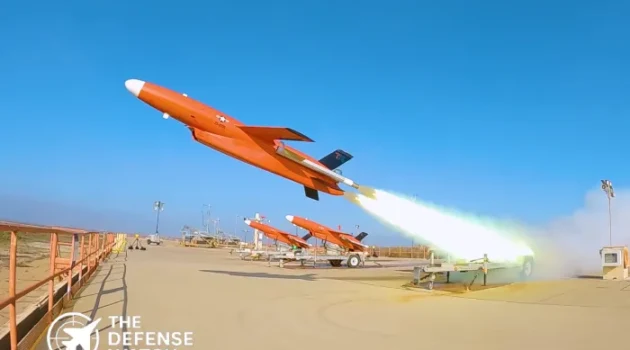
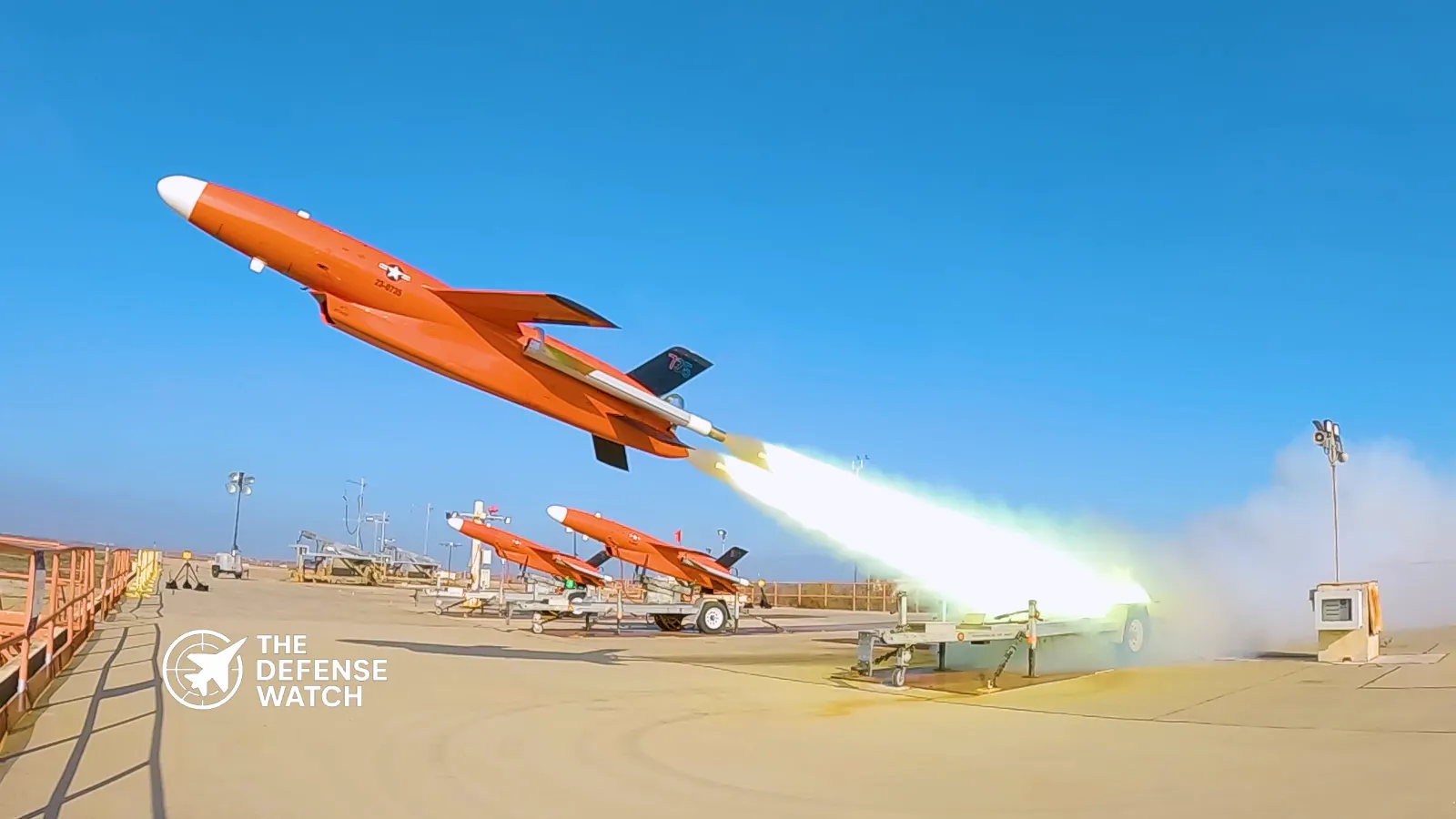
The U.S. Navy has completed a second AI-enabled autonomy demonstration that advances the development of future Collaborative Combat Aircraft (CCA). The December 11 event at Point Mugu Sea Range in California focused on multi-platform coordination of autonomous systems and manned-unmanned teaming, using modified BQM-177A aerial targets running Shield AI’s Hivemind software.
Focused AI Test With Real and Simulated Assets
Two BQM-177A subsonic aerial targets were flown autonomously using AI software connected to a Live Virtual Constructive (LVC) environment. That setup included a virtual F/A-18 and two simulated adversary aircraft. In the scenario, the virtual F/A-18 served as mission lead, directing the autonomous targets to defend designated perimeters against simulated threats.
Navy officials say this demonstration is an important step toward integrating AI autonomy across manned and unmanned platforms as the service shapes next-generation carrier air wing concepts and approaches contested operational environments.
Program Offices and Industry Roles
The effort was led by Naval Air Systems Command’s Strike Planning and Execution Systems (PMA-281) and Aerial Targets (PMA-208) offices with industry partners Shield AI, Kratos and CTSI. Shield AI provided the autonomy software, Kratos supplied the BQM-177A platforms, and CTSI delivered mission planning and pilot-vehicle interface systems.
Officials noted the event also demonstrated progress in implementing the Navy’s Autonomy Government Reference Architecture, a key framework for interoperability across autonomous platforms.
Part of a Broader Autonomy Push
This demonstration builds on earlier efforts to integrate AI-controlled autonomy into naval aviation platforms and complements other CCA developments, including contracts awarded to major defense firms to design carrier-ready unmanned combat aircraft and related autonomy systems.
Future work will include further autonomous flight testing and integration exercises with fleet systems as part of ongoing CCA development and naval aviation modernization.
Get real time update about this post category directly on your device, subscribe now.