
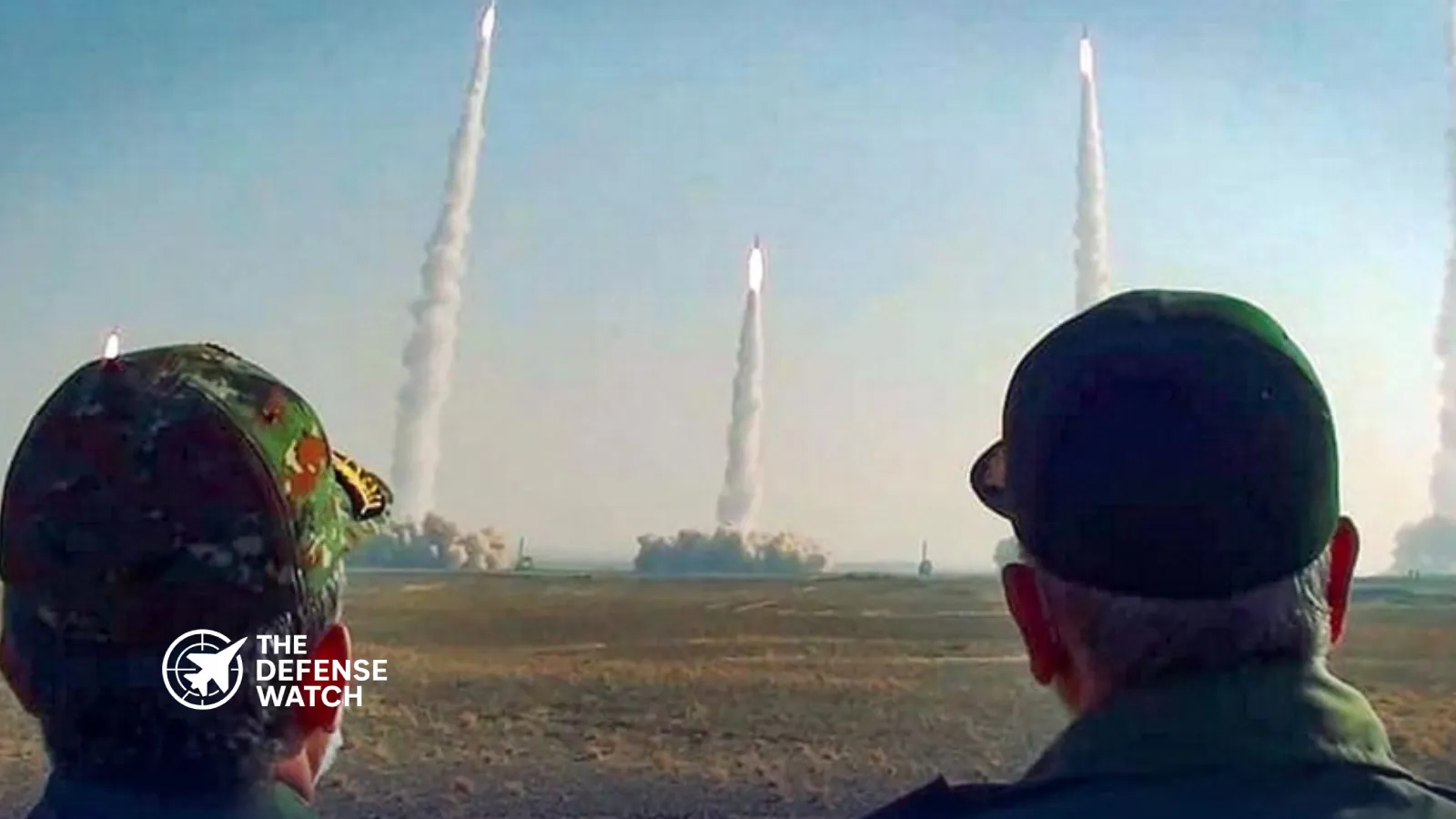
- ► Iran reports launch of ballistic missiles and drones targeting Israeli territory after strikes attributed to Western and Israeli forces.
- ► Explosions heard in Tel Aviv and northern Israel, with infrastructure damage and at least one reported injury.
- ► Iranian state media say the Revolutionary Guard confirmed the operation, calling it a response to recent strikes.
- ► Israel activates air and missile defense systems to intercept incoming threats.
- ► Regional tensions rise as direct state to state confrontation expands beyond proxy conflict.
Iran Retaliation To Israel Marks New Phase In Regional Conflict
Iran’s military has launched what Tehran describes as sustained retaliatory strikes against Israeli territory following reported air operations involving Israeli and allied aircraft. Iran said ballistic missiles and armed drones were used in the attacks on and near Israeli population centers and military infrastructure.
Official Iranian state broadcasters reported blasts in the Israeli capital and northern urban areas. A nine-story building in the Tel Aviv metro area sustained damage and at least one civilian injury was recorded in open-source reporting of the incident.
Iran’s Islamic Revolutionary Guard Corps (IRGC) acknowledged the operation and framed it as a defensive action after what Iranian officials assert were unprovoked Western and Israeli air strikes on Iranian territory and regional proxies. The Iranian foreign ministry publicly urged civilians to remain calm while affirming the country’s right to respond.
Israeli defense forces said their integrated missile defense systems were engaged to intercept incoming threats, and air defense radar networks remained elevated. Independent verification of strike effectiveness and detailed casualty figures remain limited at this reporting time.
The escalation comes amid rising tensions in the Middle East, where multiple flashpoints, including the Gaza conflict and hostilities in Iraq and Syria, have already drawn in regional powers. Iran’s counter-strikes signify a broadening of direct military involvement beyond proxy engagements and could test existing deterrence structures between Tehran and Western defense partners.
Strategic Context And Military Implications
Iran’s use of ballistic systems against targets beyond its borders reflects an operational shift from proxy support to overt long-range engagement. Tehran possesses a range of medium-range ballistic missiles and unmanned aerial systems designed to reach key Israeli strategic and urban centers. Oversight groups tracking missile deployments note patterns that could indicate coordinated use of space and cyber domains to support kinetic actions. Open-source confirmation of exact weapon types remains pending.
For Israel, the activation of layered air defenses underscores preparedness but also highlights vulnerability to multi-axis threats. Israel’s integrated anti-missile shields have previously been tested by short-range rockets from non-state actors. The reported use of higher-trajectory ballistic threats may prompt adjustments to air defense postures and force prioritization.
Regional defense analysts say this episode may broaden the operational environment across the Levant and Gulf. Nations with vested security interests, including the United States and Gulf Cooperation Council members, are likely to reassess force postures and intelligence sharing as risks of miscalculation rise.
What Comes Next
Diplomatic channels in the region and beyond are expected to intensify efforts to de-escalate. Calls for restraint from global capitals often accompany such spikes in hostilities but may have limited immediate effect as military leaderships on both sides seek to solidify strategic messaging. Information coming from official state media will require independent corroboration as the situation evolves.
Get real time update about this post category directly on your device, subscribe now.
