The most advanced fighter jet in the world in 2026 depends on what the aircraft must do. The U.S. Air Force’s F-22 Raptor remains a leading candidate for dedicated air superiority, the F-35 Lightning II offers a broader combination of stealth, sensor fusion and networked warfare, and China’s Chengdu J-20 is a major part of Beijing’s expanding stealth fighter force.
- The 2026 Fighter Jet Ranking
- The 2026 fighter jet ranking
- 1. F-22 Raptor: The leading air-superiority fighter
- 2. F-35 Lightning II: The strongest all-round combat system
- 3. China’s J-20: The leading Chinese stealth fighter
- How the leading fighters compare
- What actually makes a fighter jet advanced?
- 4. Rafale and Eurofighter Typhoon: Why older generations still matter
- Sixth-generation fighters: Will the F-47 change the ranking?
- Which fighter jet is best for different missions?
- Frequently asked questions
- Final assessment
There is no publicly verifiable, universal ranking that establishes one aircraft as superior in every mission. Radar performance, electronic warfare capabilities, stealth characteristics, missile effectiveness and classified software remain important gaps in any open-source comparison.
For this ranking, the criteria are operational maturity, low observability, sensor integration, air-to-air capability, multirole flexibility, weapons integration and the ability to operate as part of a wider combat network. The ranking is an editorial assessment based on publicly available evidence, not an official military evaluation.
The 2026 Fighter Jet Ranking
The 2026 fighter jet ranking
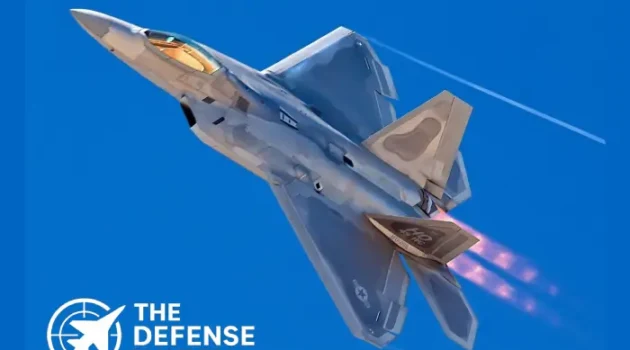
1. F-22 Raptor
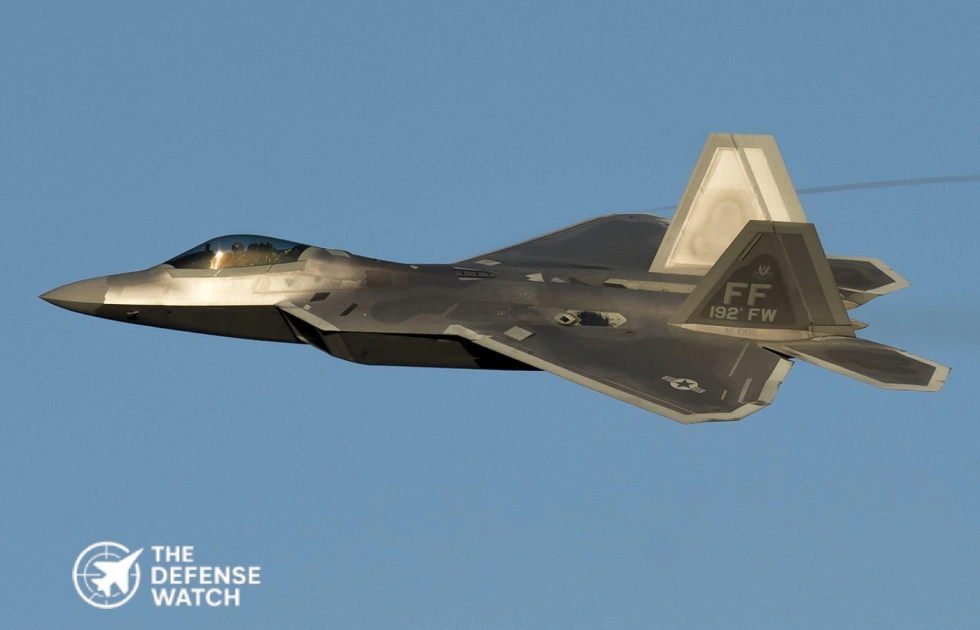
The strongest overall choice for a mission focused on air superiority. Its combination of stealth, supercruise, maneuverability and integrated avionics makes it particularly suited to defeating airborne threats.
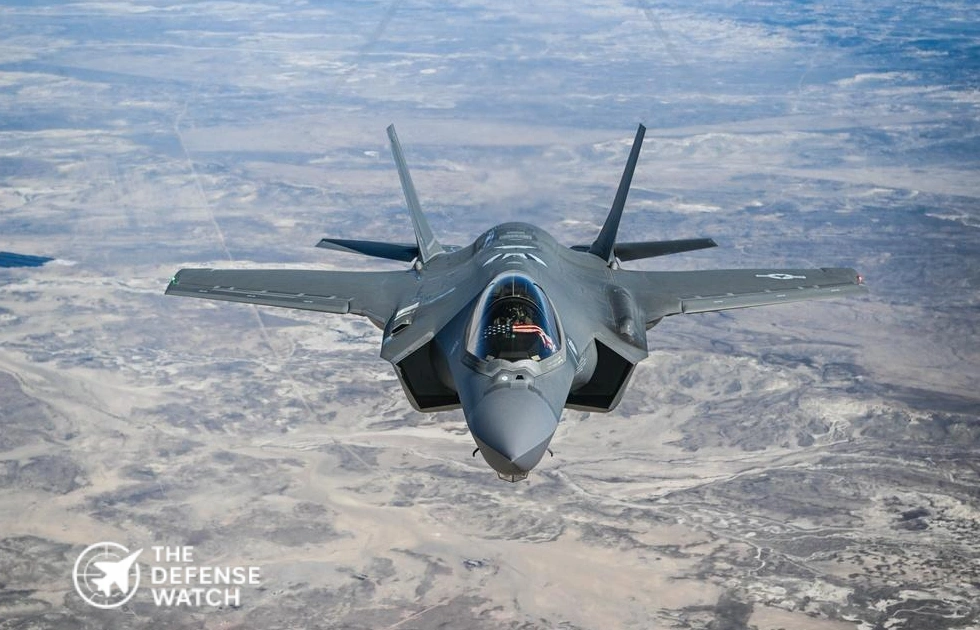
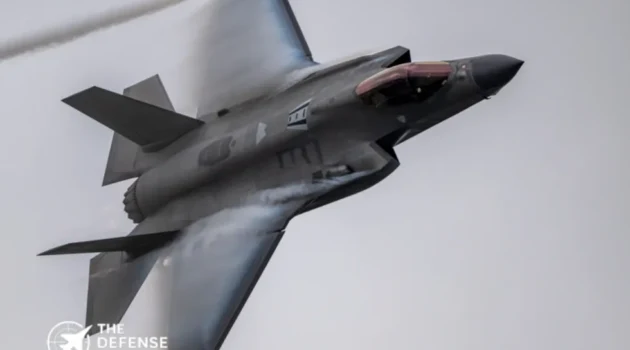
2. F-35 Lightning II
The strongest all-round multirole candidate in this comparison. Sensor fusion, electronic warfare, targeting systems and secure information sharing help the F-35 find, assess and engage threats while supporting other forces.
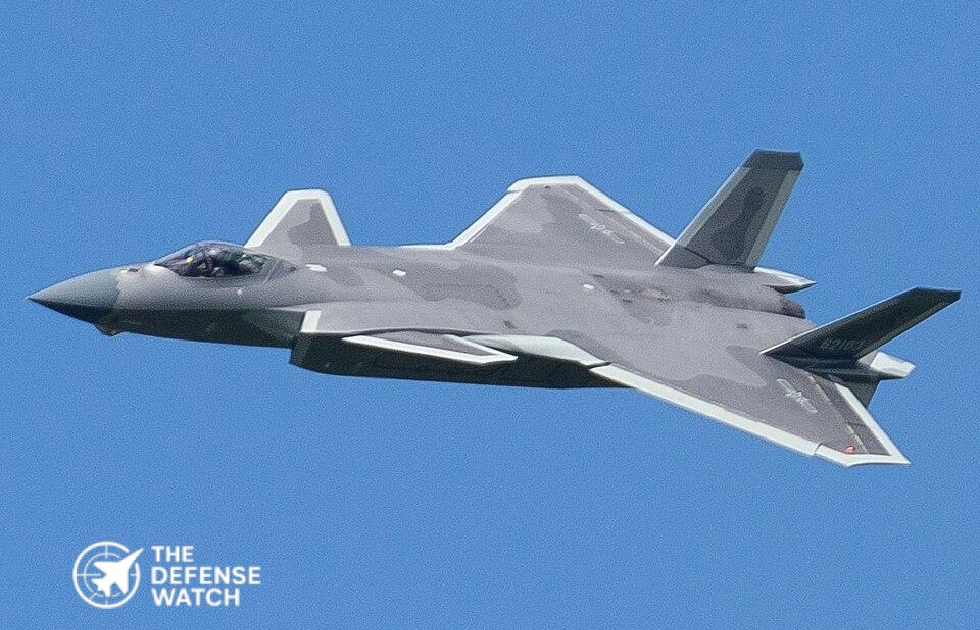
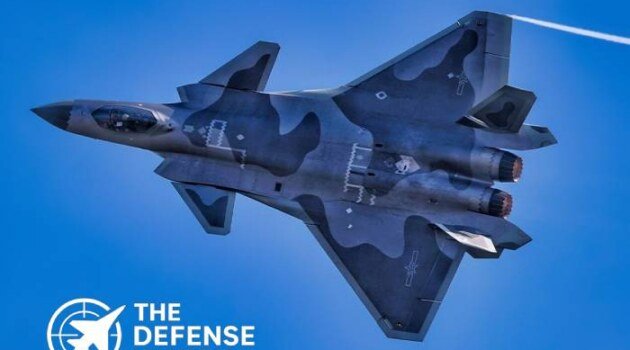
3. Chengdu J-20
China’s operational stealth fighter gives the People’s Liberation Army Air Force a platform designed for modern air combat. Its exact radar performance, electronic warfare effectiveness and combat performance against the latest Western fighters cannot be independently established from public information.
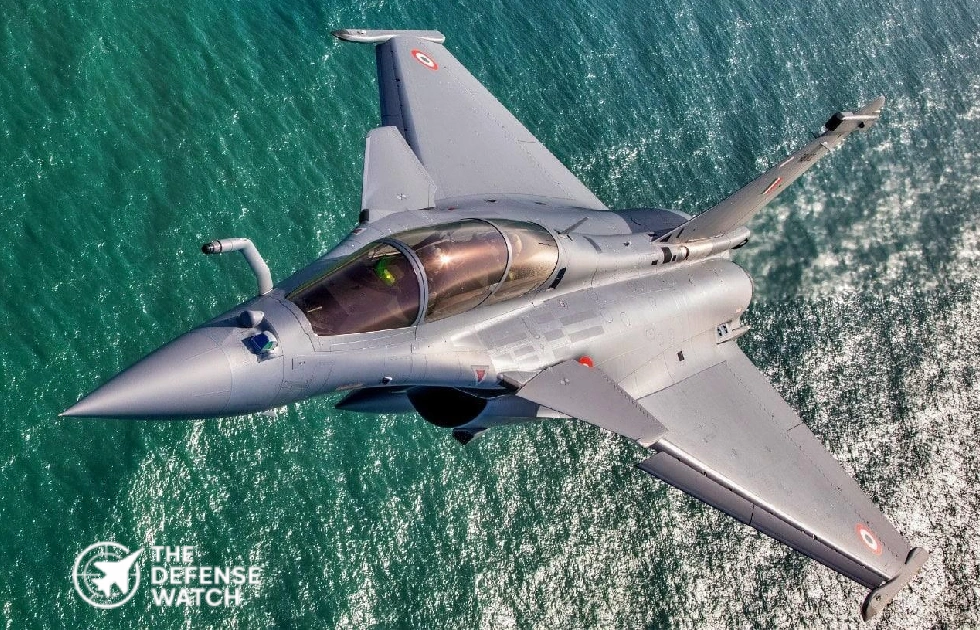
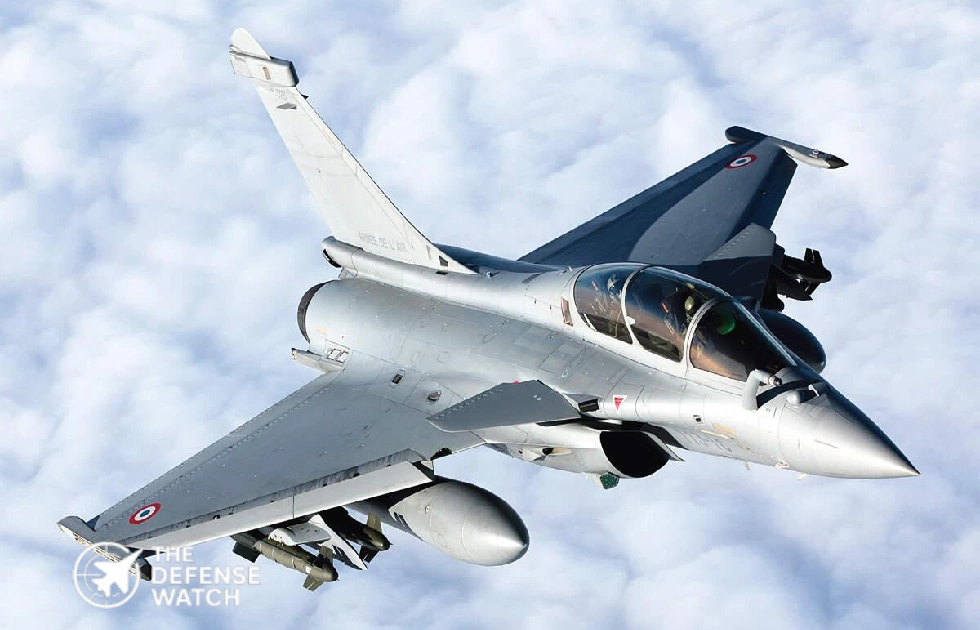
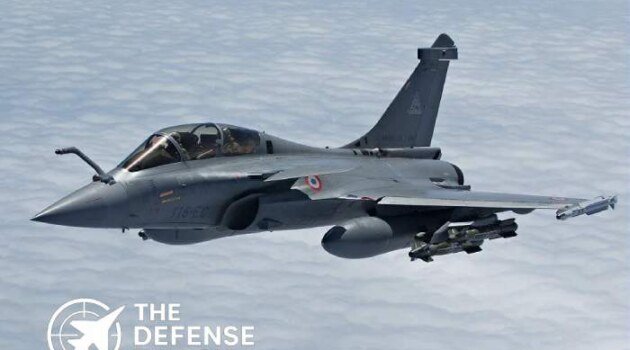
4. Dassault Rafale
An advanced multirole fighter with modern sensors, electronic warfare systems and a broad weapons portfolio. It is not a direct stealth-generation equivalent to the three aircraft above, but remains a relevant benchmark for operational flexibility.
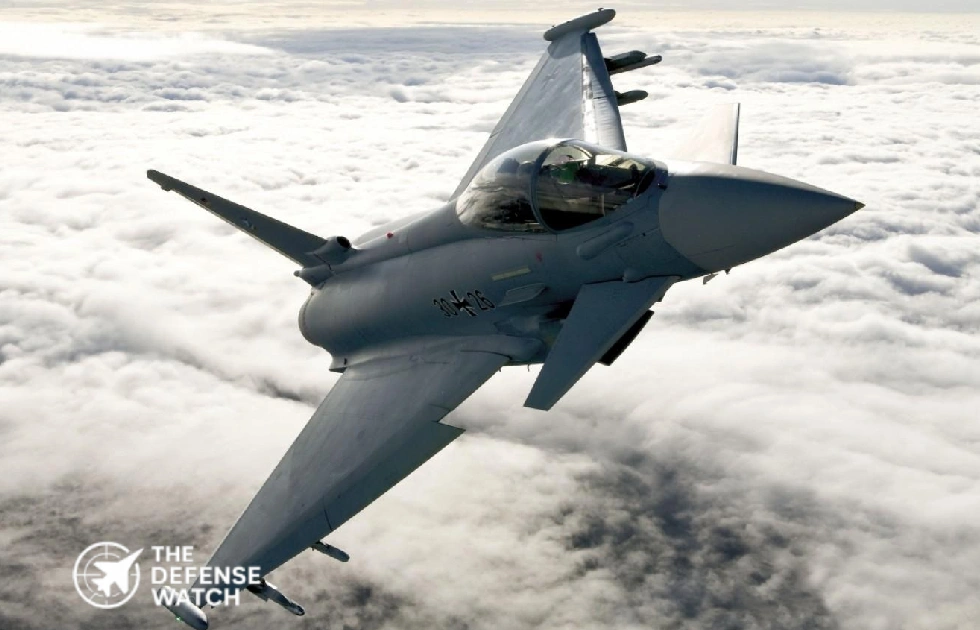
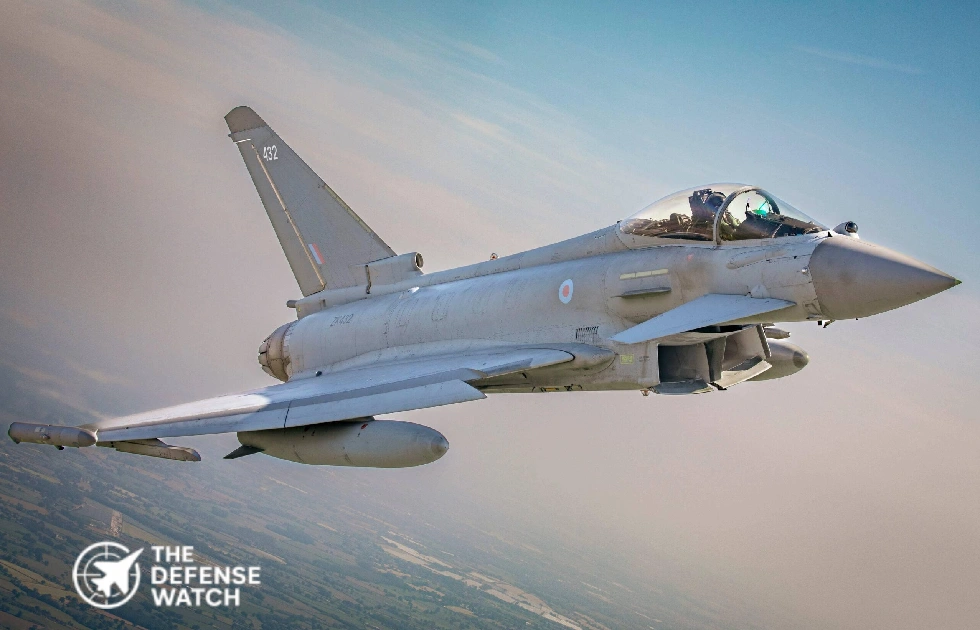
5. Eurofighter Typhoon
A highly capable fighter with strong air-to-air credentials and continuing avionics and weapons upgrades. Its conventional airframe design gives it a different survivability profile from purpose-built stealth fighters.
How to read this ranking: The first three are assessed against fifth-generation stealth fighter requirements. Positions four and five reflect the continuing combat value of advanced non-stealth aircraft, not a claim that they match the top three in low observability.
The list is not a definitive measurement of classified combat performance. It also does not mean that an F-22 will always defeat an F-35 or J-20 in an actual engagement. Mission requirements, support aircraft, weapons, pilot training and the operating environment can change the outcome.
1. F-22 Raptor: The leading air-superiority fighter
The F-22 Raptor was developed around a specific problem: gaining and maintaining control of the air against capable enemy fighters and air defenses. The U.S. Air Force identifies stealth, supercruise, maneuverability and integrated avionics as central elements of its design.
Supercruise allows the aircraft to sustain supersonic flight without relying on afterburner under suitable conditions. This can help preserve fuel compared with sustained afterburner use, while its low-observable design and internal weapons carriage are intended to reduce its exposure to enemy detection and engagement.
The F-22 is particularly compelling when the central question is which fighter is best suited to air-to-air combat. Its combination of flight performance and stealth is difficult to assess fully from public specifications alone, but its operational maturity gives it a substantial advantage over aircraft still in development.
Its main limitation is specialization. The F-22 can perform air-to-ground missions, but the F-35 was designed from the outset as a more broadly distributed multirole platform. The Raptor fleet is also relatively limited, and the aircraft’s long-term value depends on upgrades, maintenance, weapons integration and the availability of supporting forces.
2026 assessment: First for a ranking weighted toward air superiority. That is a judgment about its mission and publicly known design, not proof of universal superiority over every other fighter.
2. F-35 Lightning II: The strongest all-round combat system

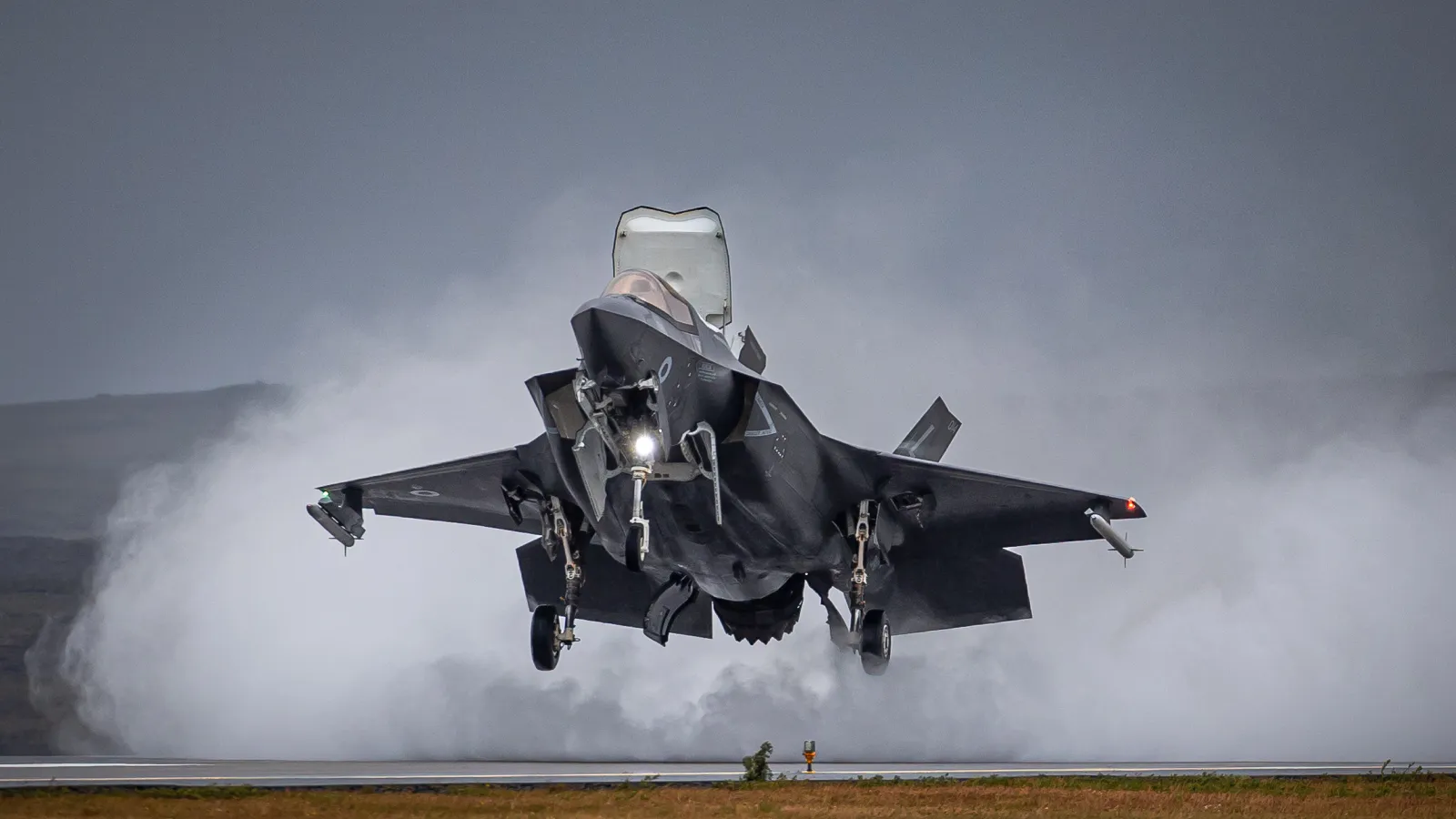
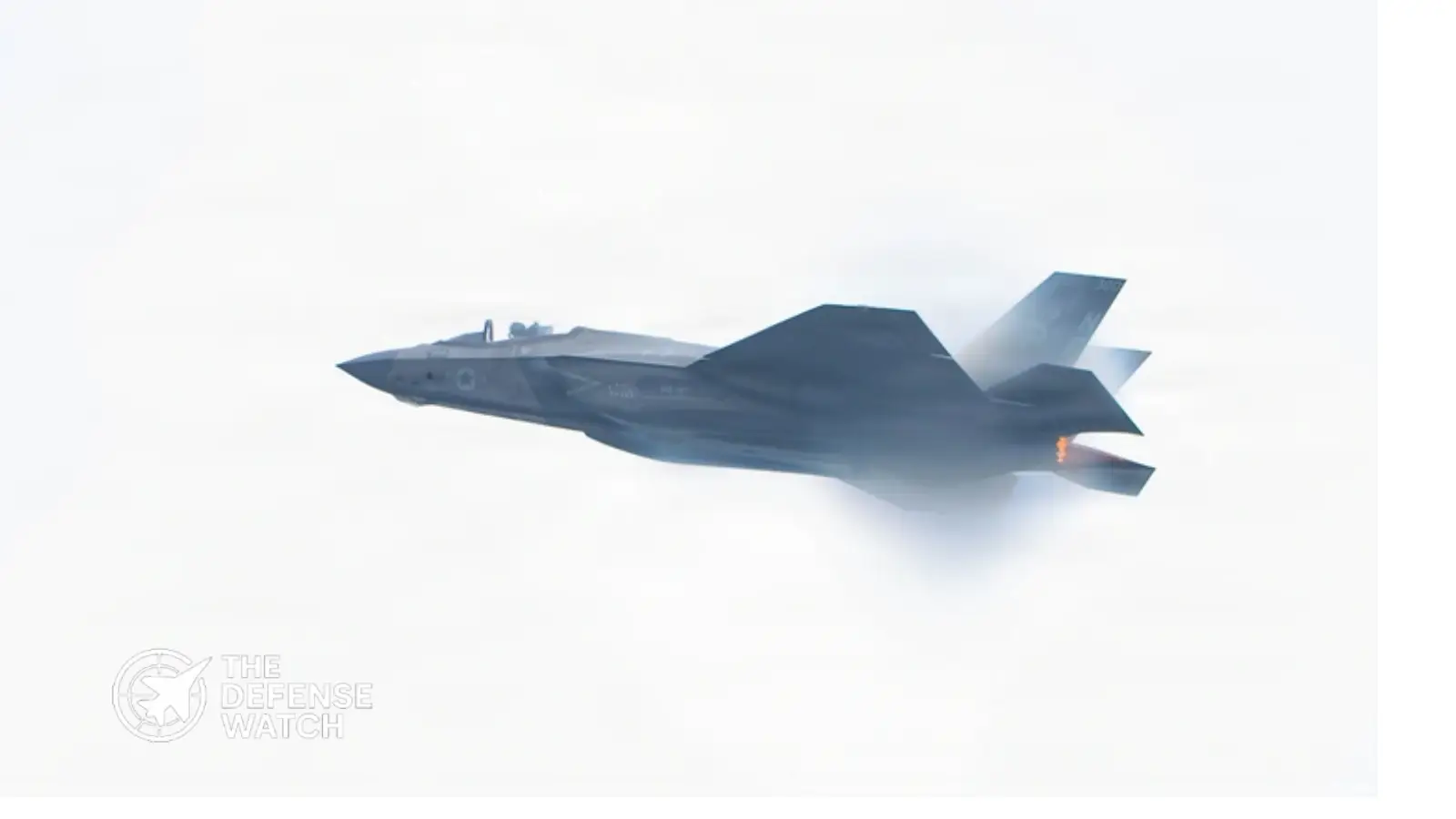
F-35 Lightning II The F-35’s greatest strength is not simply its stealth. It is the way the aircraft combines radar, electro-optical sensors, electronic warfare equipment, targeting systems and data links to give pilots a connected picture of the battlespace.
The U.S. Air Force describes the F-35A as a fifth-generation fighter combining low observability, sensor fusion and situational awareness. Its sensor suite includes a distributed-aperture infrared system and an electro-optical targeting system. Secure data links also allow it to share tactical information with other platforms.
That combination makes the F-35 particularly valuable in missions where finding a target is only one part of the problem. Pilots must also identify it, understand the threat environment, coordinate with other aircraft and ground forces, and pass useful information to the wider force.
The F-35 family includes three variants:
- F-35A: Conventional takeoff and landing, primarily operated by air forces.
- F-35B: Short takeoff and vertical landing, designed for operations from suitable amphibious ships and other constrained locations.
- F-35C: Carrier variant with design features for catapult launches and arrested landings aboard aircraft carriers.
These variants give the program operational flexibility that the F-22 does not provide as a single aircraft family.
There are trade-offs. The F-35’s performance depends on software, mission-data files, maintenance, weapons integration and the networks available to the aircraft. Its effectiveness in a particular mission cannot be inferred from sensor specifications alone. Fleet readiness and sustainment have also been important issues for the program.
2026 assessment: The strongest choice in this ranking for a multirole fighter that combines stealth with sensing, strike capability and coalition information sharing.
3. China’s J-20: The leading Chinese stealth fighter
Chengdu J-20 The Chengdu J-20, often called the Mighty Dragon, is China’s fifth-generation stealth fighter and an important part of its effort to modernize the People’s Liberation Army Air Force.
Unlike the F-22 and F-35, the J-20’s detailed operational capabilities are not documented as extensively in accessible Western government and manufacturer material. Its external design and service presence are visible, but important details about its low-observable performance, sensor fusion, electronic warfare suite and weapons effectiveness remain uncertain.
The U.S. Department of Defense’s 2025 report on China’s military describes China’s continuing development of advanced aviation capabilities. It also discusses a two-seat J-20 variant displayed at the 2024 Zhuhai Airshow, with the proposed ability to control collaborative unmanned aircraft. The report cautions that advertised artificial intelligence capabilities on Chinese military systems may be developmental or limited rather than fully realized operational functions.
The J-20’s significance extends beyond a one-on-one fighter comparison. It contributes to China’s ability to field stealth aircraft within a wider air force, supported by ground-based radar, command networks, missile systems and other military assets.
Its performance would depend on how those systems work together, as well as on pilot training, maintenance, weapons and mission planning. Public evidence does not support a reliable numerical comparison of the J-20’s radar detection range or stealth performance against the F-22 and F-35.
2026 assessment: A serious fifth-generation competitor, but the available public evidence is insufficient to rank it above the American fighters with confidence.
How the leading fighters compare
Capability F-22 Raptor F-35 Lightning II Chengdu J-20 Country United States United States China Generation Fifth Fifth Fifth Primary emphasis Air superiority Multirole combat Stealth air combat Low observability Core design feature Core design feature Core design feature Sensor integration Advanced integrated avionics Sensor fusion and information sharing Full performance not publicly established Supercruise Officially documented Not a defining publicly advertised capability Public performance details remain uncertain Ground-attack role Supported Central multirole mission Full operational scope not publicly established Operational maturity Operational Operational with a large international user base Operational Main assessment Air-to-air specialization Broad mission flexibility Significant emerging peer competitor The table compares publicly established design roles and available evidence. It does not assign numerical scores to classified features or treat missing information about one aircraft as evidence that it lacks a capability.
What actually makes a fighter jet advanced?
A modern fighter cannot be judged by speed, maneuverability or stealth alone. The aircraft must perform as part of a larger combat system, often while facing enemy radar networks, long-range missiles and other aircraft.
Five factors matter most.
1. Stealth and survivability
Low observability can reduce the distance at which an adversary detects or tracks an aircraft under particular conditions. It does not make an aircraft invisible. Radar frequency, viewing angle, external stores, aircraft configuration and the wider sensor network all affect detection.
2. Sensors and electronic warfare
Radar is only one source of information. Infrared sensors, passive electronic support, electronic countermeasures and data fusion can help pilots detect and interpret threats. Much of the information needed to rank these systems accurately remains classified.
3. Weapons and engagement opportunities
An aircraft’s value depends on the weapons it can carry, the quality of its targeting information and whether it can engage before an opponent gains an advantage. Missile performance, rules of engagement, identification requirements and external targeting support all matter.
4. Networking and supporting aircraft
Modern combat aviation depends on more than individual fighters. Airborne early-warning aircraft, tankers, intelligence platforms, ground-based sensors and secure communications can substantially affect mission performance. The F-35’s information-sharing role is one reason its value extends beyond the aircraft itself.
5. Readiness and scale
A sophisticated fighter that spends too much time undergoing maintenance cannot generate the same operational effect as an available aircraft. Pilot training, spare parts, weapons stockpiles, maintenance facilities and production capacity determine how much combat power a fleet can sustain.
These factors explain why a single overall ranking should be treated as a guide, not a definitive prediction of combat outcomes.
4. Rafale and Eurofighter Typhoon: Why older generations still matter
Dassault Rafale
The Rafale combines multirole capability, electronic warfare, modern sensors and a wide range of air-to-air and air-to-ground weapons. It remains a useful comparison for understanding how advanced non-stealth aircraft can retain operational value through upgrades and weapons integration.
Eurofighter Typhoon
The Typhoon is designed around strong air-to-air performance, with continuing radar, avionics and weapons improvements. Its capabilities can make it highly effective in suitable missions, although its airframe does not provide the same low-observable design approach as the F-22, F-35 or J-20.
Neither aircraft should be dismissed because it lacks a fifth-generation designation. An advanced fourth-generation-plus fighter operating with effective electronic warfare support, modern missiles and good situational awareness can remain a serious threat.
However, a direct comparison must account for the mission. An air-defense interception, a long-range strike against a defended target and a complex air campaign impose different requirements. There is no single ranking that fully captures all three.
Sixth-generation fighters: Will the F-47 change the ranking?

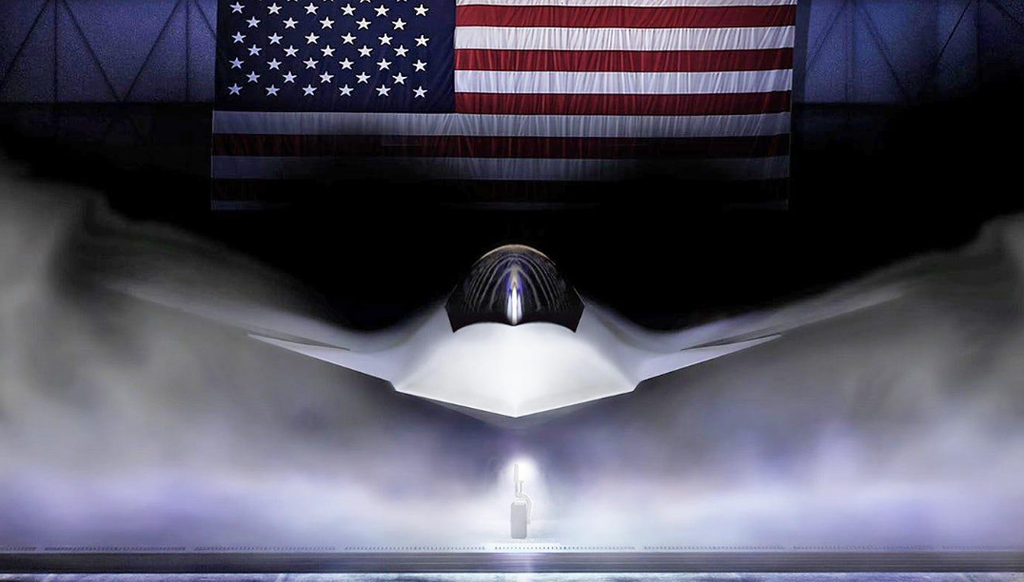
The next major shift in fighter technology is expected to come from sixth-generation programs, particularly the U.S. Air Force’s F-47.
On March 21, 2025, the U.S. Air Force announced a contract award to Boeing for engineering and manufacturing development of its Next Generation Air Dominance platform. The aircraft was designated the F-47 and is intended eventually to replace the F-22. The wider NGAD concept includes a networked family of systems, including crewed and uncrewed aircraft.
The program is intended to move beyond the capabilities of existing fifth-generation fighters through improvements in areas such as survivability, range, sensing and cooperation with uncrewed aircraft. The precise performance of the F-47, however, has not been disclosed publicly in sufficient detail to support a reliable head-to-head ranking.
China is also pursuing more advanced combat aviation concepts, including proposed crewed and uncrewed teaming. The maturity of these concepts varies, and displayed concepts or announced ambitions should not be treated as proof of operational capability.
For a 2026 ranking, the distinction is important: a fighter in development may ultimately outperform aircraft currently in service, but its projected capabilities cannot be compared fairly with operational aircraft until reliable evidence becomes available.
The sixth-generation category is therefore best treated as a developing field, not as a list of aircraft that have already demonstrated superior combat performance.
Which fighter jet is best for different missions?
Mission or requirement Strongest candidate in this comparison Reason Dedicated air superiority F-22 Raptor Designed around stealth, air-to-air combat and high-performance flight Multirole combat and strike F-35 Lightning II Combines stealth, sensing, targeting and information sharing Chinese stealth fighter operations Chengdu J-20 Provides China with an operational fifth-generation fighter Flexible multirole operations without a fifth-generation stealth design Dassault Rafale Combines air-to-air and air-to-ground missions with modern systems European air-defense and air-to-air operations Eurofighter Typhoon Strong air-to-air design with continuing upgrades These are mission-based assessments, not predictions of who would win in combat. Actual outcomes would depend on the engagement conditions, force size, weapons, intelligence, training, electronic warfare and supporting aircraft.
Frequently asked questions
What is the most advanced fighter jet in the world in 2026?The F-22 Raptor is the leading choice for dedicated air superiority in this ranking, while the F-35 Lightning II is the strongest all-round multirole candidate. China’s J-20 is also an important fifth-generation competitor, although its classified capabilities make a precise comparison difficult.
Is the F-22 better than the F-35?The F-22 is more specialized for air superiority, while the F-35 emphasizes multirole flexibility, sensor fusion and networked operations. Which aircraft is better depends on the mission, available support and operating conditions.
Is China’s J-20 better than the F-22?Public information does not establish that the J-20 is superior to the F-22. Both are designed for modern air combat, but reliable comparative data on stealth, sensors, electronic warfare and weapons effectiveness is not publicly available.
Is the F-35 the best fighter jet in the world?The F-35 is among the most advanced operational multirole fighters. Its combination of low observability, sensor fusion, electronic warfare and information sharing makes it particularly capable in complex missions. That does not establish it as the best aircraft for every air-to-air engagement.
Is the F-47 operational in 2026?The F-47 was announced as a development program in March 2025. The official announcement established the engineering and manufacturing development contract, not operational service. Public information cited here does not establish that the F-47 has entered operational service by October 2026.
Which country has the most advanced fighter aircraft?The United States has a particularly mature combination of operational fifth-generation fighters, including the F-22 and F-35, alongside the F-47 development program. China has developed the J-20 and is advancing additional aviation technologies. Determining which country has the overall advantage requires assessing its full force, including weapons, sensors, training, support aircraft and industrial capacity.
Final assessment
The F-22 Raptor ranks first when air superiority is the main criterion. The F-35 Lightning II ranks first for broad multirole flexibility and networked combat operations. The J-20 remains a significant competitor, but gaps in publicly available technical evidence prevent a confident claim that it surpasses either American aircraft.
The more important lesson is that advanced air power is not determined by the fighter alone. Stealth, weapons, sensors, electronic warfare, readiness and cooperation with other platforms all contribute to combat effectiveness.
The F-47 could change this balance in the future, but its eventual position must be judged on demonstrated capabilities rather than development claims.