- $15.38 billion contract modification awarded to General Dynamics Electric Boat.
- Supports Columbia-class submarine design, lead yard services, and sustainment.
- Reinforces US nuclear deterrence through next-generation ballistic missile submarines.
- Work spans multiple US states and continues through June 2035.
- Includes major investment in submarine industrial base and supplier development.
Columbia-Class Submarine Contract Strengthens US Nuclear Deterrence
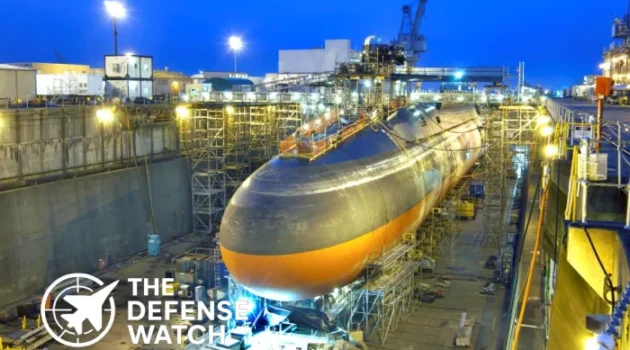
The Columbia-class submarine contract marks a $15.38 billion investment by the US Navy to expand design, sustainment, and industrial base support for its next-generation ballistic missile submarines, reinforcing the nation’s sea-based nuclear deterrent.
The award to General Dynamics Electric Boat reflects a long-term commitment to replacing the aging Ohio-class fleet with a more survivable and technologically advanced platform.
The Big Picture
The United States is executing one of its most critical nuclear modernization programs. The Columbia-class submarine will serve as the backbone of the sea-based leg of the nuclear triad well into the 2080s.
The Navy plans to build 12 Columbia-class submarines to replace 14 Ohio-class boats. Despite fewer hulls, each Columbia submarine is designed for higher availability, reducing the total number required for continuous at-sea deterrence.
This contract highlights how nuclear modernization is not limited to platforms alone. It includes workforce expansion, supplier stability, and long-term industrial resilience.
What’s Happening
The Naval Sea Systems Command awarded a $15,383,494,792 contract modification to General Dynamics Electric Boat under an existing agreement.
The funding supports:
- Additional Columbia-class design work
- Lead yard services
- Sustainment planning
- Integrated enterprise initiatives
- Supplier and industrial base development
Work will take place across multiple locations, including Connecticut, Virginia, California, Wisconsin, Rhode Island, and others, with completion expected by June 2035.
Funding comes primarily from the Fiscal Year 2026 National Sea-Based Deterrence Fund, alongside smaller allocations from research and industrial base accounts.
Why It Matters
The Columbia-class program directly underpins US nuclear deterrence strategy.
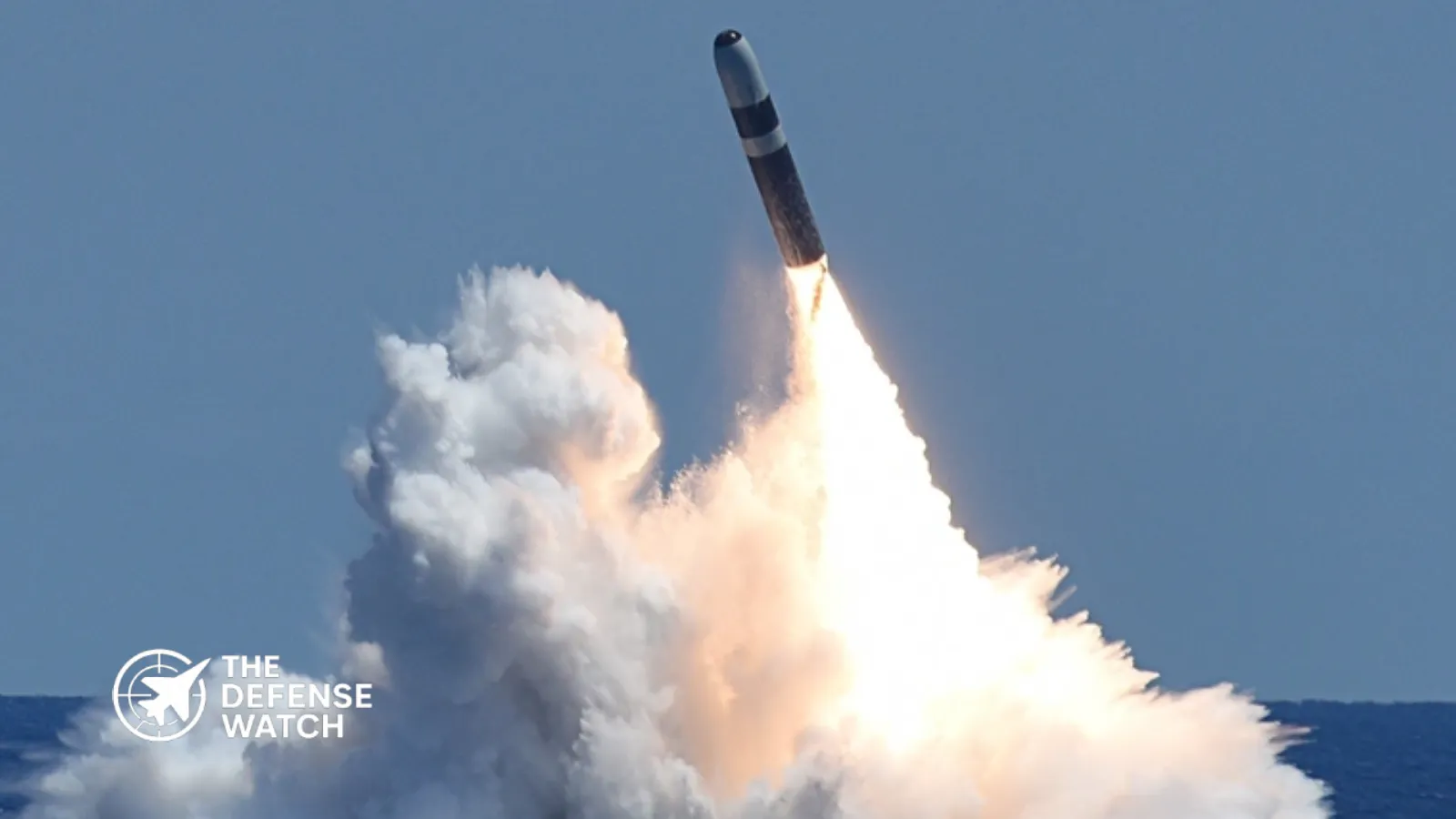
Ballistic missile submarines provide the most survivable leg of the nuclear triad. They operate undetected, ensuring a secure second-strike capability even in the event of a large-scale attack.
This contract ensures continuity in design and production while addressing a known risk: delays in submarine construction due to industrial bottlenecks.
The inclusion of supplier development funding signals that the Pentagon is actively managing risks in the submarine supply chain.
Strategic Implications
The Columbia-class submarine contract strengthens US military readiness in several ways.
First, it ensures schedule stability. The Navy cannot afford delays because the Ohio-class submarines are nearing the end of their service lives.
Second, it reinforces deterrence credibility. A modern, stealthy submarine force signals to adversaries that the US retains a reliable second-strike capability.
Third, it supports simultaneous production of Columbia- and Virginia-class submarines. This dual production demand places significant strain on shipyards and suppliers, making industrial base investment essential.
Competitor View
China and Russia closely monitor US nuclear modernization efforts.
China continues expanding its own sea-based deterrent with the Jin-class and future Type 096 submarines. A sustained US investment in Columbia-class boats reinforces strategic balance in the Indo-Pacific.
Russia maintains a modernized fleet of Borei-class ballistic missile submarines. Moscow will likely view this contract as confirmation that the US remains committed to long-term nuclear parity.
Both competitors are expected to interpret this move as part of a broader US effort to maintain credible deterrence across all domains.
What To Watch Next
Several milestones will define the program’s trajectory:
- Continued construction progress on the lead Columbia-class submarine
- Supplier capacity improvements across the industrial base
- Integration of advanced systems and quieting technologies
- Alignment of Columbia and Virginia production schedules
Any disruption in these areas could affect delivery timelines, making industrial performance a key indicator.
Capability Gap
The Columbia-class program addresses a critical gap created by the aging Ohio-class fleet.
Ohio-class submarines are reaching the limits of their service life, and life extensions are no longer sufficient to guarantee long-term deterrence.
However, the program faces constraints:
- Limited shipyard capacity
- Workforce shortages in skilled trades
- Complex supply chains for nuclear-grade components
The contract’s industrial base funding directly targets these challenges, but execution risk remains.
The Bottom Line
The Columbia-class submarine contract secures the foundation of US nuclear deterrence while exposing the growing importance of industrial capacity in modern defense strategy.
Get real time update about this post category directly on your device, subscribe now.