
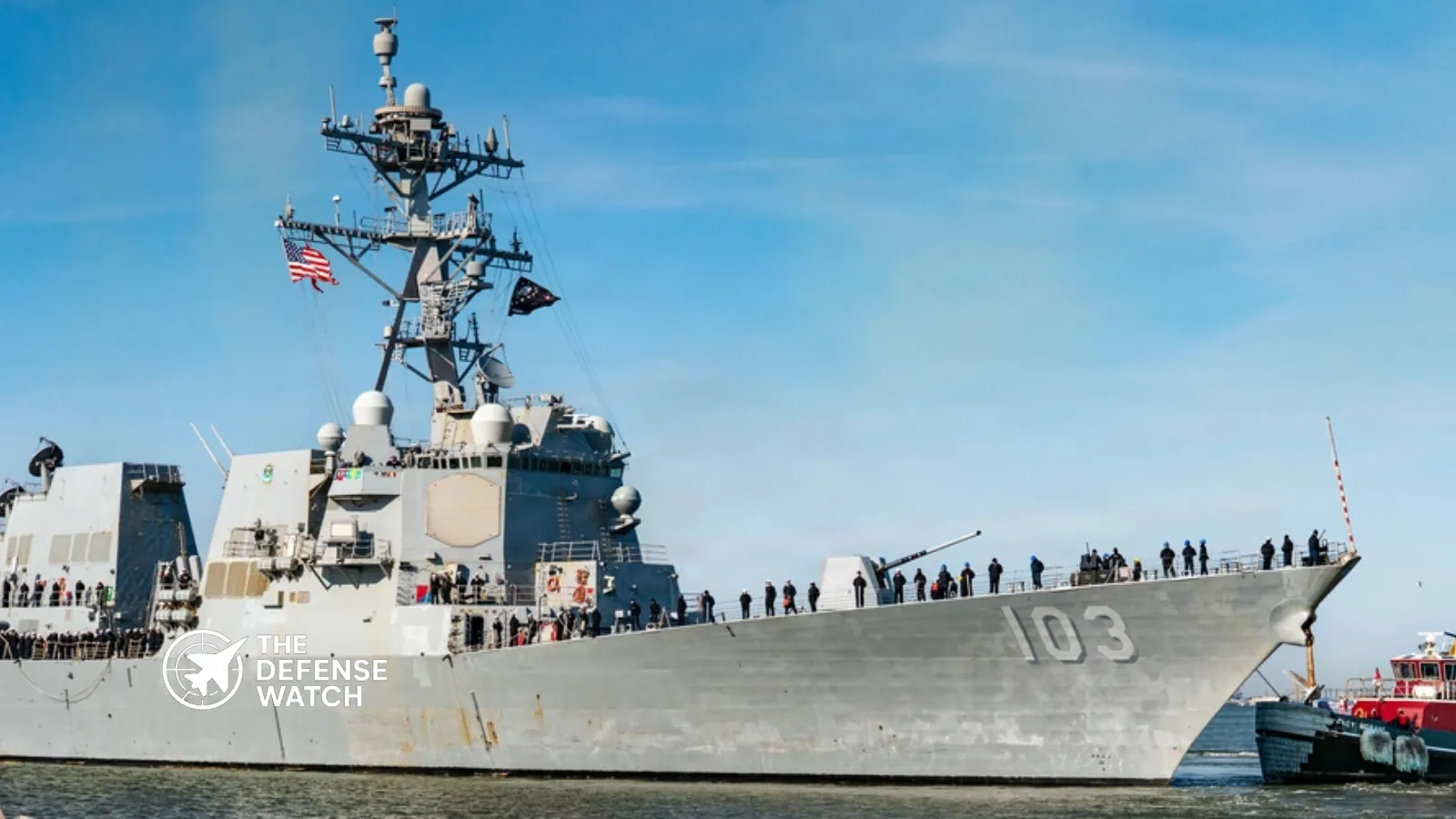
Lockheed Martin has secured a major Navy electronic warfare contract tied to the Surface Electronic Warfare Improvement Program Block Two, reinforcing its role in U.S. naval self defense modernization. The 249 million dollar award covers long term spares, repairs, engineering services, and depot stand up support for Electronic Support and Anti Ship Missile Defense integration across the fleet.
The contract was awarded on February 3, 2026, and announced through official U.S. Navy contracting channels. Naval Surface Warfare Center Crane in Indiana is the contracting activity.
Contract scope and value
The agreement is structured as a mix of cost plus fixed fee and firm fixed price elements under an indefinite delivery indefinite quantity framework. Lockheed Martin will provide lifecycle support for SEWIP Block Two systems, including spare parts, repair services, engineering assistance, and depot stand up activities.
The total ceiling value is 249 million dollars. Initial Fiscal Year 2025 Navy other procurement funds totaling 344,788 dollars were obligated at the time of award. None of those funds expire at the end of the current fiscal year, indicating multi year planning stability.
Work will be performed in Liverpool, New York, home to Lockheed Martin Rotary and Mission Systems electronic warfare operations. Contract performance is expected to continue through February 2031.
SEWIP Block Two and fleet protection
The Surface Electronic Warfare Improvement Program is the U.S. Navy’s primary effort to modernize shipboard electronic warfare capabilities. Block Two focuses on enhanced electronic support measures designed to detect, identify, and classify enemy emitters, with a specific emphasis on countering Anti Ship Missile threats.
SEWIP Block Two systems form a critical layer of the Navy’s soft kill defense architecture. By improving situational awareness and electronic surveillance, the system supports earlier threat detection and cueing for other defensive measures. According to U.S. Navy program documentation, SEWIP upgrades are intended to keep pace with increasingly complex and agile missile seekers.
Sole source justification
The Navy awarded the contract on a sole source basis under Title 10 U.S. Code Section 3204 subsection a paragraph one. This authority applies when only one responsible source can meet agency requirements and no other supplies or services will satisfy mission needs.
Lockheed Martin is the original designer and integrator of SEWIP Block Two electronic support capabilities. Navy officials cited system design knowledge, technical data ownership, and integration experience as key factors supporting the sole source decision. The contract was not competitively procured through the System for Award Management website.
Strategic importance for naval modernization
Electronic warfare has become a core element of U.S. naval survivability as peer and near peer adversaries field more capable Anti Ship Missile systems. Investments in programs like SEWIP Block Two reflect a broader Pentagon emphasis on electromagnetic spectrum dominance.
Defense budget documents and Congressional Research Service reporting consistently highlight ship self defense and electronic warfare as high priority modernization areas. The latest award ensures sustained support for deployed systems while enabling future upgrades as threat environments evolve.
Lockheed Martin role in naval electronic warfare
Lockheed Martin remains one of the Navy’s principal industry partners for electronic warfare and combat system integration. Through its Rotary and Mission Systems division, the company supports surface combatants, submarines, and joint force platforms with sensors, mission systems, and electronic protection technologies.
The Liverpool, New York facility has long served as a hub for maritime electronic warfare development and sustainment. This contract further solidifies that site’s role in supporting front line Navy operations.
What comes next
With funding now in place, Lockheed Martin and the Navy will continue depot stand up activities and long term sustainment planning. As SEWIP Block Two remains a baseline capability across multiple ship classes, ongoing engineering support will be essential to maintain readiness and adapt to emerging missile threats through the end of the decade.
Get real time update about this post category directly on your device, subscribe now.
