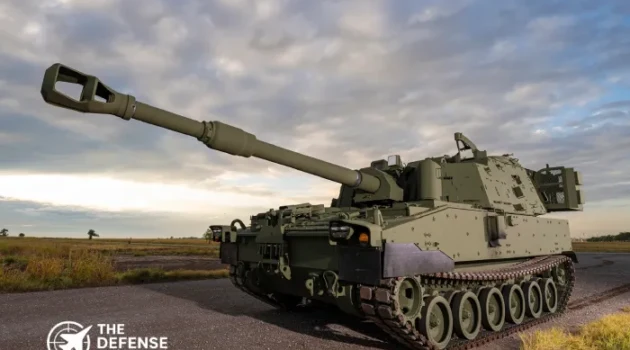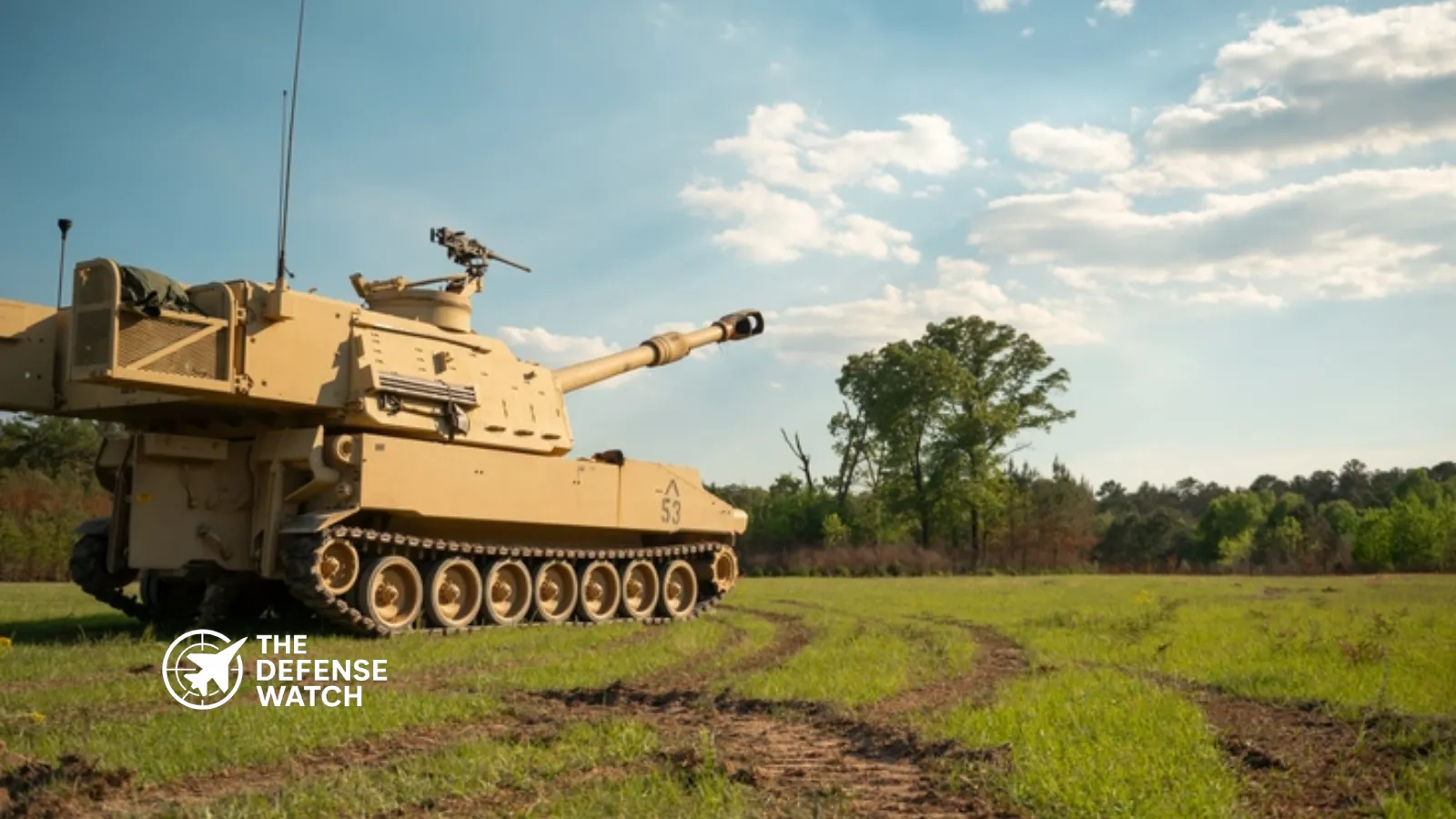
- BAE Systems secured a $473 million U.S. Army contract to produce additional M109A7 Paladin artillery vehicle sets.
- The order covers 40 M109A7 self propelled howitzers and associated M992A3 ammunition resupply vehicles.
- The contract represents the first award under a five year procurement framework for the Paladin system.
- Production will occur at BAE Systems facilities in Pennsylvania, Oklahoma, and Alabama.
- The program supports U.S. Army efforts to modernize artillery within Armored Brigade Combat Teams.
BAE Systems Paladin Artillery Vehicles Contract Expands U.S. Army Firepower
The M109A7 Paladin artillery vehicles program has received a major boost after the U.S. Army awarded BAE Systems a $473 million contract to produce 40 additional self propelled howitzer systems and ammunition resupply vehicles. The award expands production of the Army’s primary tracked artillery platform and supports long term modernization of armored brigade firepower.
The contract was issued by the U.S. Army Contracting Command at Detroit Arsenal and represents the first award under a broader five year production agreement for the Paladin system.
Each production set includes an M109A7 Paladin self propelled howitzer and the M992A3 Carrier Ammunition Tracked vehicle, which provides battlefield ammunition resupply and support for artillery units.
The Big Picture
Artillery has returned to the center of modern warfare. Large scale conflicts and high intensity combat scenarios have reinforced the importance of long range indirect fire.
The U.S. Army has prioritized artillery modernization as part of its broader force modernization strategy. Armored Brigade Combat Teams depend on mobile howitzers like the M109A7 Paladin artillery vehicles to deliver sustained fire support while maneuvering alongside tanks and mechanized infantry.
Programs such as the Paladin Integrated Management effort aim to extend the operational life of the M109 platform while integrating modern electronics, power systems, and survivability improvements.
The continued procurement of M109A7 systems shows the Army’s focus on maintaining reliable artillery capacity while future next generation systems are still under development.
What’s Happening
BAE Systems received a $473 million contract to manufacture 40 additional M109A7 Paladin artillery vehicle sets for the U.S. Army.
The order includes:
- 40 M109A7 self propelled howitzers
- M992A3 Carrier Ammunition Tracked resupply vehicles
- Technical support packages
- Post production refurbishment support
- Welding compliance and sustainment services
Production will take place across several U.S. industrial sites, including:
- York, Pennsylvania
- Elgin, Oklahoma
- Anniston, Alabama
The contract was awarded in September and marks the first procurement under a larger multi year framework designed to maintain steady production of the Paladin system.
Why It Matters
The M109A7 Paladin artillery vehicles represent the most modern variant of the long running M109 self propelled howitzer family.
The platform incorporates a redesigned chassis derived from the Bradley Fighting Vehicle, along with upgraded power generation and digital architecture. These improvements allow the system to support modern fire control systems and future upgrades.
The system delivers several operational advantages:
- Improved reliability and maintainability
- Greater electrical power for modern electronics
- Enhanced survivability for artillery crews
- Integration with digital battlefield networks
These upgrades enable the Paladin to support modern targeting networks, including sensor to shooter fire missions that shorten response times.
For armored formations, rapid indirect fire support remains essential for suppressing enemy defenses, shaping battlefield conditions, and enabling maneuver operations.
Strategic Implications
Sustained production of the M109A7 Paladin artillery vehicles supports the U.S. Army’s ability to maintain artillery readiness across its armored formations.
Armored Brigade Combat Teams depend on mobile artillery that can keep pace with maneuver forces. Unlike towed systems, tracked howitzers can reposition quickly and maintain protection against counter battery fire.
The procurement also reflects broader lessons drawn from recent conflicts where artillery has played a decisive role in large scale ground warfare.
Modern armies require:
- high ammunition throughput
- protected mobile artillery platforms
- integrated digital targeting networks
The Paladin program contributes to maintaining these capabilities while the Army continues work on future long range precision fires systems.
Competitor View
Strategic competitors closely monitor U.S. artillery modernization programs.
Russia maintains extensive artillery forces and has historically emphasized massed fires as a central element of ground combat operations. China has also invested heavily in self propelled artillery systems and rocket forces designed to support mechanized units.
From a competitor perspective, expanded production of M109A7 Paladin artillery vehicles signals that the United States intends to maintain strong conventional artillery capacity within armored formations.
Such capabilities remain important in potential large scale conflicts where sustained firepower and survivable artillery units could shape the outcome of ground engagements.
Capability Gap
The Paladin Integrated Management program addresses several operational limitations of earlier M109 variants.
Earlier systems faced challenges in electrical power generation, reliability, and integration with digital command networks.
The M109A7 resolves many of these issues through:
- modern power systems
- upgraded chassis and suspension
- digital fire control architecture
- improved survivability features
However, the platform still faces limitations in maximum firing range compared to emerging long range artillery systems currently under development.
The Army continues to explore extended range artillery concepts and new munitions to complement existing Paladin units.
What To Watch Next
Several developments will shape the future of the Paladin program.
Key milestones include:
- continued production under the five year contract framework
- integration of improved digital targeting systems
- potential upgrades for extended range artillery capabilities
- future long range artillery programs that may complement or eventually replace the platform
The U.S. Army plans to field hundreds of M109A7 systems across its active force structure as it modernizes artillery units.
The Bottom Line
The new contract ensures continued production of M109A7 Paladin artillery vehicles, strengthening the U.S. Army’s mobile firepower as artillery regains prominence in modern warfare.
Get real time update about this post category directly on your device, subscribe now.