

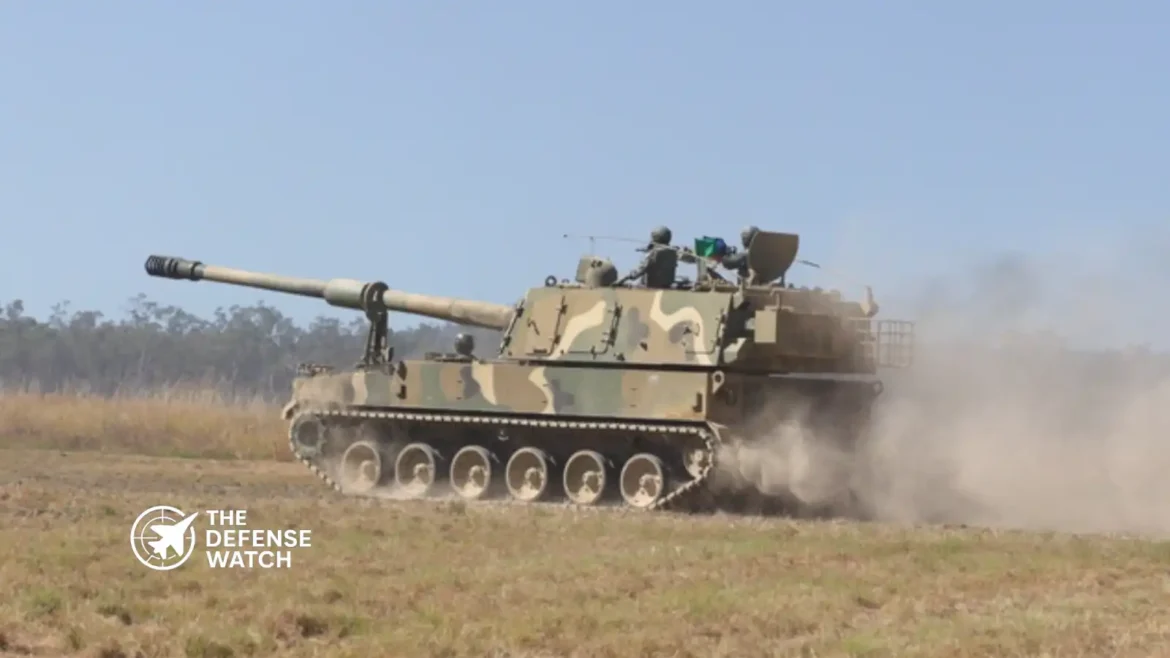
Finland K9 Howitzers Deal Expands Firepower Capability
Finland’s K9 howitzers deal marks a significant expansion of its long-range artillery forces, with Helsinki confirming the procurement of 112 additional K9 Thunder self-propelled systems. The agreement, reported by Defence Industry Europe, reinforces the country’s focus on strengthening conventional firepower amid evolving security dynamics in Northern Europe.
The K9 Thunder, developed by South Korea’s Hanwha Aerospace, is a 155mm tracked self-propelled howitzer designed for rapid deployment and sustained high-volume fire. Finland has already integrated earlier batches into its armed forces, making this follow-on order a continuation of an established modernization path rather than a new capability introduction.
- Finland has signed a deal to procure 112 additional K9 Thunder self-propelled howitzers.
- The systems are part of Helsinki’s ongoing artillery modernization program.
- The K9 is a 155mm tracked howitzer with a range exceeding 40 kilometers depending on ammunition.
- The acquisition builds on Finland’s earlier K9 purchases from South Korea.
- The move reflects growing emphasis on high-intensity land warfare capability in Europe.
Short, mobile-friendly paragraphs and incremental procurement reflect a deliberate approach. Finland is scaling up what it already knows works in its operational environment.
A Proven System For Nordic Conditions
The K9 Thunder’s appeal lies in its combination of mobility, survivability, and firepower. The platform can deliver multiple rounds per minute and execute shoot-and-scoot tactics, reducing exposure to counter-battery fire.
For Finland, terrain and climate matter as much as firepower. The country’s geography includes dense forests, harsh winters, and limited infrastructure in some regions. A tracked artillery system like the K9 is better suited for these conditions compared to wheeled alternatives.
The system’s range, exceeding 40 kilometers with advanced munitions, allows Finnish forces to engage targets at depth while maintaining distance from frontline threats. This is particularly relevant given the increased emphasis on long-range fires across European militaries following lessons observed in Ukraine.
Strategic Context: Why Artillery Matters Again
The Finland K9 howitzers deal reflects a broader shift across NATO and partner nations. Artillery, once seen as secondary to airpower in many Western doctrines, has re-emerged as a central element of high-intensity warfare.
Recent conflicts have highlighted several realities:
- Sustained artillery fire remains decisive in attritional warfare
- Precision-guided munitions are limited by cost and supply constraints
- Counter-battery capability is critical for survivability
Finland’s investment aligns with these lessons. By expanding its K9 fleet, Helsinki is prioritizing volume, resilience, and operational endurance.
This is not just about acquiring more systems. It is about ensuring the ability to sustain operations over extended periods, a factor increasingly emphasized in European defense planning.
Continuity In Procurement Strategy
Finland’s decision to procure additional K9 systems instead of diversifying platforms suggests confidence in the system’s performance and logistical footprint.
Operating a single primary artillery platform offers several advantages:
- Simplified training pipelines
- Streamlined maintenance and spare parts supply
- Interoperability across units
This approach contrasts with some European states that operate multiple artillery systems, often complicating logistics.
Finland’s model reflects efficiency. It reduces complexity while scaling capability, a balance that is particularly important for countries with relatively limited manpower.
Industrial And Alliance Implications
The deal also underscores the growing role of South Korean defense manufacturers in Europe. Hanwha Aerospace has secured multiple contracts across NATO countries, positioning itself as a key supplier in the artillery segment.
This trend highlights a shift in defense procurement patterns:
- European nations are increasingly sourcing from non-traditional suppliers
- Speed of delivery and cost-effectiveness are becoming decisive factors
- Industrial partnerships are expanding beyond transatlantic ties
For Finland, the partnership with South Korea offers a proven system with relatively quick delivery timelines compared to some European alternatives.
Operational Impact On Finnish Forces
The expansion of the K9 fleet is expected to enhance several operational capabilities:
- Increased artillery density across brigades
- Greater flexibility in force deployment
- Improved ability to conduct sustained fire missions
In practical terms, more systems mean Finland can cover wider مناطق while maintaining redundancy. This is critical in a high-intensity scenario where losses or mechanical failures are expected.
Additionally, the K9’s automation reduces crew workload, allowing faster response times and higher operational tempo.
Analysis: A Calculated Move In A Changing Security Landscape
At least 30 percent of this development reflects a broader strategic calculation rather than a simple procurement decision.
Finland’s K9 howitzers deal signals three key priorities:
1. Preparedness for Prolonged Conflict
European defense planning is increasingly focused on endurance. Stockpiles, logistics, and sustained firepower are now central concerns.2. Emphasis on Land Warfare
While air and naval capabilities remain important, land forces are regaining prominence, especially in regions bordering potential adversaries.3. Rapid Capability Scaling
By expanding an existing system, Finland avoids the delays associated with introducing new platforms.This approach suggests a pragmatic mindset. Instead of pursuing cutting-edge but unproven technologies, Finland is investing in reliable systems that can be fielded quickly and at scale.
- BAE Systems secured a $473 million U.S. Army contract to produce additional M109A7 Paladin artillery vehicle sets.
- The order covers 40 M109A7 self propelled howitzers and associated M992A3 ammunition resupply vehicles.
- The contract represents the first award under a five year procurement framework for the Paladin system.
- Production will occur at BAE Systems facilities in Pennsylvania, Oklahoma, and Alabama.
- The program supports U.S. Army efforts to modernize artillery within Armored Brigade Combat Teams.
BAE Systems Paladin Artillery Vehicles Contract Expands U.S. Army Firepower
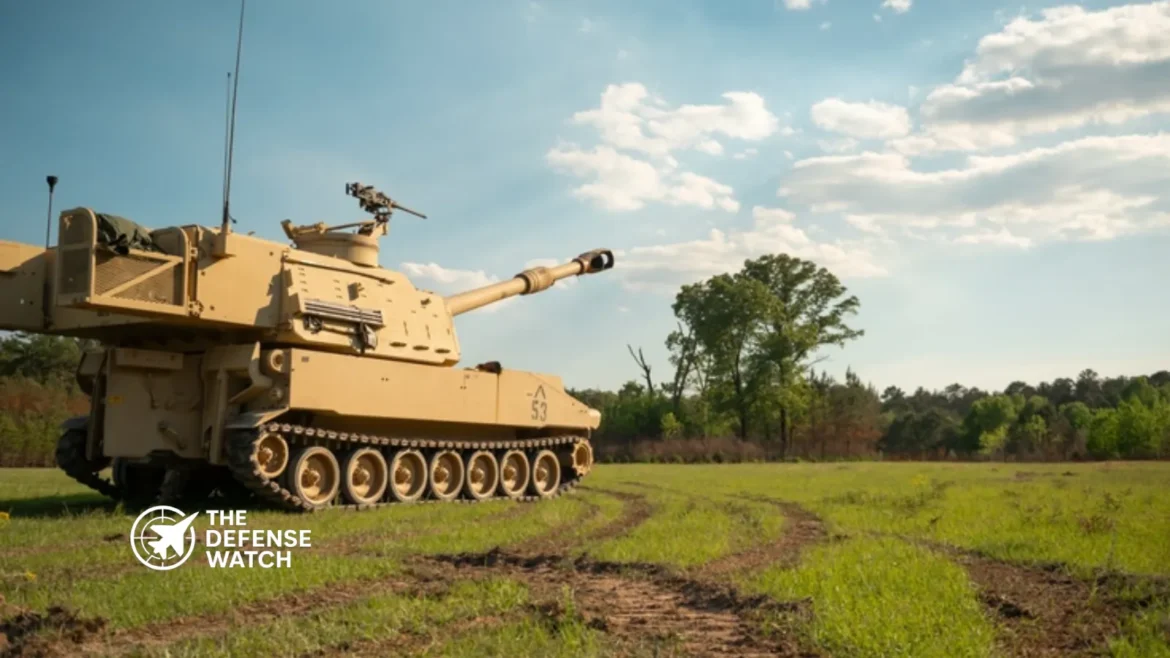
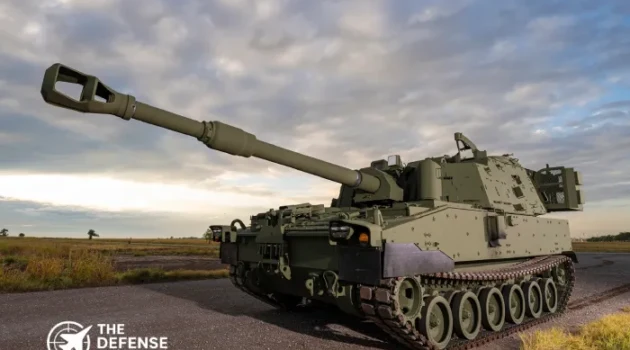
The M109A7 Paladin artillery vehicles program has received a major boost after the U.S. Army awarded BAE Systems a $473 million contract to produce 40 additional self propelled howitzer systems and ammunition resupply vehicles. The award expands production of the Army’s primary tracked artillery platform and supports long term modernization of armored brigade firepower.
(adsbygoogle = window.adsbygoogle || []).push({});The contract was issued by the U.S. Army Contracting Command at Detroit Arsenal and represents the first award under a broader five year production agreement for the Paladin system.
Each production set includes an M109A7 Paladin self propelled howitzer and the M992A3 Carrier Ammunition Tracked vehicle, which provides battlefield ammunition resupply and support for artillery units.
The Big Picture
Artillery has returned to the center of modern warfare. Large scale conflicts and high intensity combat scenarios have reinforced the importance of long range indirect fire.
The U.S. Army has prioritized artillery modernization as part of its broader force modernization strategy. Armored Brigade Combat Teams depend on mobile howitzers like the M109A7 Paladin artillery vehicles to deliver sustained fire support while maneuvering alongside tanks and mechanized infantry.
Programs such as the Paladin Integrated Management effort aim to extend the operational life of the M109 platform while integrating modern electronics, power systems, and survivability improvements.
The continued procurement of M109A7 systems shows the Army’s focus on maintaining reliable artillery capacity while future next generation systems are still under development.
What’s Happening
BAE Systems received a $473 million contract to manufacture 40 additional M109A7 Paladin artillery vehicle sets for the U.S. Army.
The order includes:
- 40 M109A7 self propelled howitzers
- M992A3 Carrier Ammunition Tracked resupply vehicles
- Technical support packages
- Post production refurbishment support
- Welding compliance and sustainment services
Production will take place across several U.S. industrial sites, including:
- York, Pennsylvania
- Elgin, Oklahoma
- Anniston, Alabama
The contract was awarded in September and marks the first procurement under a larger multi year framework designed to maintain steady production of the Paladin system.
Why It Matters
The M109A7 Paladin artillery vehicles represent the most modern variant of the long running M109 self propelled howitzer family.
The platform incorporates a redesigned chassis derived from the Bradley Fighting Vehicle, along with upgraded power generation and digital architecture. These improvements allow the system to support modern fire control systems and future upgrades.
The system delivers several operational advantages:
- Improved reliability and maintainability
- Greater electrical power for modern electronics
- Enhanced survivability for artillery crews
- Integration with digital battlefield networks
These upgrades enable the Paladin to support modern targeting networks, including sensor to shooter fire missions that shorten response times.
For armored formations, rapid indirect fire support remains essential for suppressing enemy defenses, shaping battlefield conditions, and enabling maneuver operations.
(adsbygoogle = window.adsbygoogle || []).push({});Strategic Implications
Sustained production of the M109A7 Paladin artillery vehicles supports the U.S. Army’s ability to maintain artillery readiness across its armored formations.
Armored Brigade Combat Teams depend on mobile artillery that can keep pace with maneuver forces. Unlike towed systems, tracked howitzers can reposition quickly and maintain protection against counter battery fire.
The procurement also reflects broader lessons drawn from recent conflicts where artillery has played a decisive role in large scale ground warfare.
Modern armies require:
- high ammunition throughput
- protected mobile artillery platforms
- integrated digital targeting networks
The Paladin program contributes to maintaining these capabilities while the Army continues work on future long range precision fires systems.
Competitor View
Strategic competitors closely monitor U.S. artillery modernization programs.
Russia maintains extensive artillery forces and has historically emphasized massed fires as a central element of ground combat operations. China has also invested heavily in self propelled artillery systems and rocket forces designed to support mechanized units.
From a competitor perspective, expanded production of M109A7 Paladin artillery vehicles signals that the United States intends to maintain strong conventional artillery capacity within armored formations.
Such capabilities remain important in potential large scale conflicts where sustained firepower and survivable artillery units could shape the outcome of ground engagements.
Capability Gap
The Paladin Integrated Management program addresses several operational limitations of earlier M109 variants.
Earlier systems faced challenges in electrical power generation, reliability, and integration with digital command networks.
The M109A7 resolves many of these issues through:
- modern power systems
- upgraded chassis and suspension
- digital fire control architecture
- improved survivability features
However, the platform still faces limitations in maximum firing range compared to emerging long range artillery systems currently under development.
The Army continues to explore extended range artillery concepts and new munitions to complement existing Paladin units.
(adsbygoogle = window.adsbygoogle || []).push({});What To Watch Next
Several developments will shape the future of the Paladin program.
Key milestones include:
- continued production under the five year contract framework
- integration of improved digital targeting systems
- potential upgrades for extended range artillery capabilities
- future long range artillery programs that may complement or eventually replace the platform
The U.S. Army plans to field hundreds of M109A7 systems across its active force structure as it modernizes artillery units.
The Bottom Line
The new contract ensures continued production of M109A7 Paladin artillery vehicles, strengthening the U.S. Army’s mobile firepower as artillery regains prominence in modern warfare.
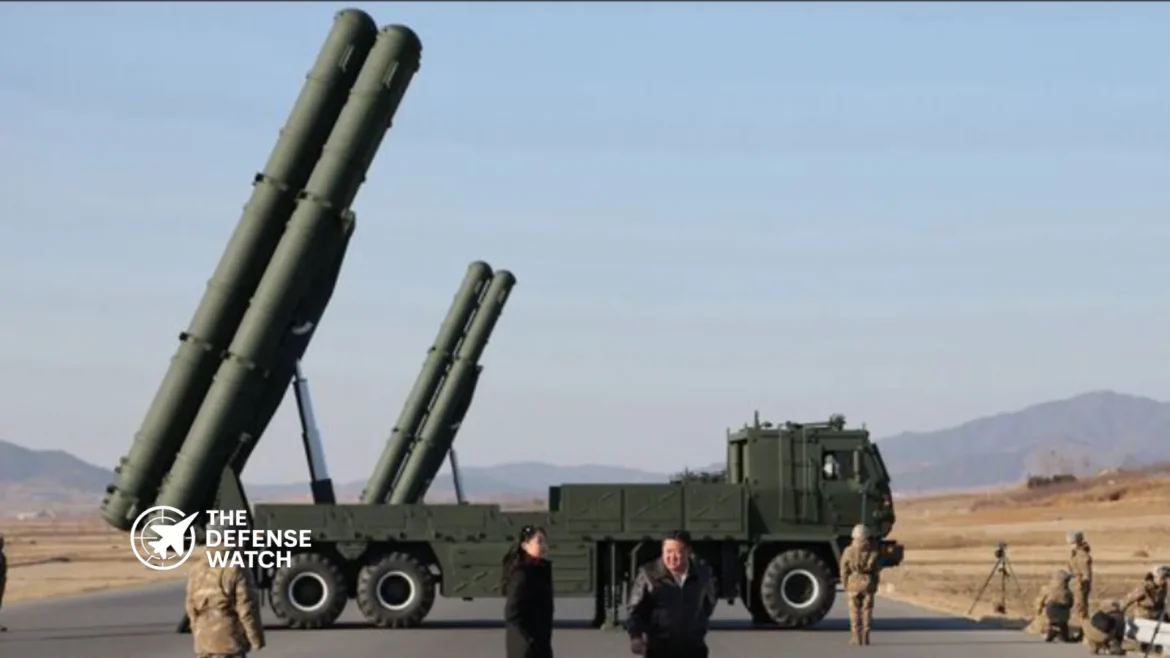
- ► North Korea publicly displayed its 600 mm multiple rocket launchers in new state media footage.
- ► The system is assessed to have long range strike capability, potentially covering much of South Korea.
- ► Analysts note the launcher blurs the line between traditional artillery and short range ballistic missiles.
- ► The display comes amid continued weapons development activity on the Korean Peninsula.
- ► The system reinforces Pyongyang’s emphasis on survivable, mobile strike forces.
North Korea Showcases 600 mm Multiple Rocket Launchers In Renewed Artillery Push
North Korea 600 mm multiple rocket launchers have again been placed in the spotlight, following new imagery and reporting highlighting the system’s operational presence. According to recent state media coverage showed the large caliber launcher system in what appeared to be a demonstration or inspection setting.
(adsbygoogle = window.adsbygoogle || []).push({});The system, often described as a 600 mm multiple rocket launcher, is one of the largest caliber artillery systems fielded globally. While officially categorized as a multiple rocket launcher, analysts widely assess its performance characteristics to overlap with those of short range ballistic missiles.
A Hybrid Between Artillery And Missile Systems
The North Korea 600 mm multiple rocket launchers are typically mounted on heavy wheeled transporter erector launcher vehicles. Each vehicle carries a limited number of oversized rockets, believed to be guided and capable of delivering high explosive or potentially other payloads at extended ranges.
Open source assessments over recent years have indicated that the system may reach ranges in excess of 300 kilometers, placing much of South Korea within coverage depending on launch location. That reach significantly expands the traditional role of tube artillery or conventional multiple rocket systems.
The caliber alone sets the platform apart. At 600 mm, the rockets approach the diameter of some short range ballistic missiles. This has led defense analysts to describe the system as a cost effective way to deliver precision strike capability while remaining within the structural framework of an artillery formation.
Operational Significance For The Korean Peninsula
The renewed attention on North Korea 600 mm multiple rocket launchers underscores Pyongyang’s continued investment in layered strike capabilities. North Korea has long relied on massed artillery positioned near the Demilitarized Zone. However, systems with longer range and mobility complicate defensive planning for both South Korea and United States forces stationed on the peninsula.
Unlike fixed missile silos, mobile rocket launchers are harder to detect and target preemptively. Their deployment enhances survivability in a crisis scenario. From a doctrinal standpoint, the system provides an intermediate option between conventional artillery bombardment and ballistic missile launches.
(adsbygoogle = window.adsbygoogle || []).push({});This layered approach aligns with North Korea’s broader modernization pattern observed over the past decade. Alongside intercontinental ballistic missile testing, Pyongyang has introduced new short and medium range systems designed to penetrate missile defense networks and saturate targets.
Implications For Missile Defense And Regional Stability
The presence of North Korea 600 mm multiple rocket launchers raises important questions for regional missile defense architecture. Systems deployed by South Korea and the United States, including Patriot and other interceptors, are optimized for specific threat profiles. Large caliber guided rockets that follow depressed or quasi ballistic trajectories may stress interception capacity during high volume launches.
While the system does not match the strategic reach of intercontinental platforms, its theater level impact is substantial. It provides North Korea with the ability to hold military infrastructure, air bases, and command centers at risk across a broader geographic area.
(adsbygoogle = window.adsbygoogle || []).push({});From a policy perspective, the system reinforces deterrence signaling. Public displays serve both internal and external audiences. Domestically, they highlight technological progress. Internationally, they communicate continued development despite sanctions and diplomatic pressure.
Technical And Industrial Considerations
The development of a 600 mm multiple rocket launcher reflects sustained industrial capability in large solid fuel rocket production. Precision guidance, if confirmed, suggests incremental advances in navigation and control systems.
Defense experts note that such systems can be produced in greater numbers and at lower cost compared to traditional ballistic missiles. That production dynamic could allow North Korea to field significant inventories over time, increasing salvo size in a potential conflict.
At the same time, questions remain about accuracy under operational conditions, reload rates, and command and control integration. Without independent verification, much of the system’s performance envelope relies on state released imagery and external analysis.
Strategic Context
The timing of renewed coverage of North Korea 600 mm multiple rocket launchers comes amid ongoing regional military activity and continued joint exercises between the United States and South Korea. Artillery and missile modernization on all sides has accelerated in recent years, reflecting heightened threat perceptions.
(adsbygoogle = window.adsbygoogle || []).push({});For defense planners, the system represents a bridge capability. It fills the gap between conventional rocket artillery and more escalatory ballistic missile forces. That flexibility gives Pyongyang additional options in crisis escalation management.
In practical terms, any conflict scenario on the peninsula would likely involve rapid and large scale use of artillery. The introduction of extended range guided rockets complicates defensive calculations and increases the potential depth of strike.
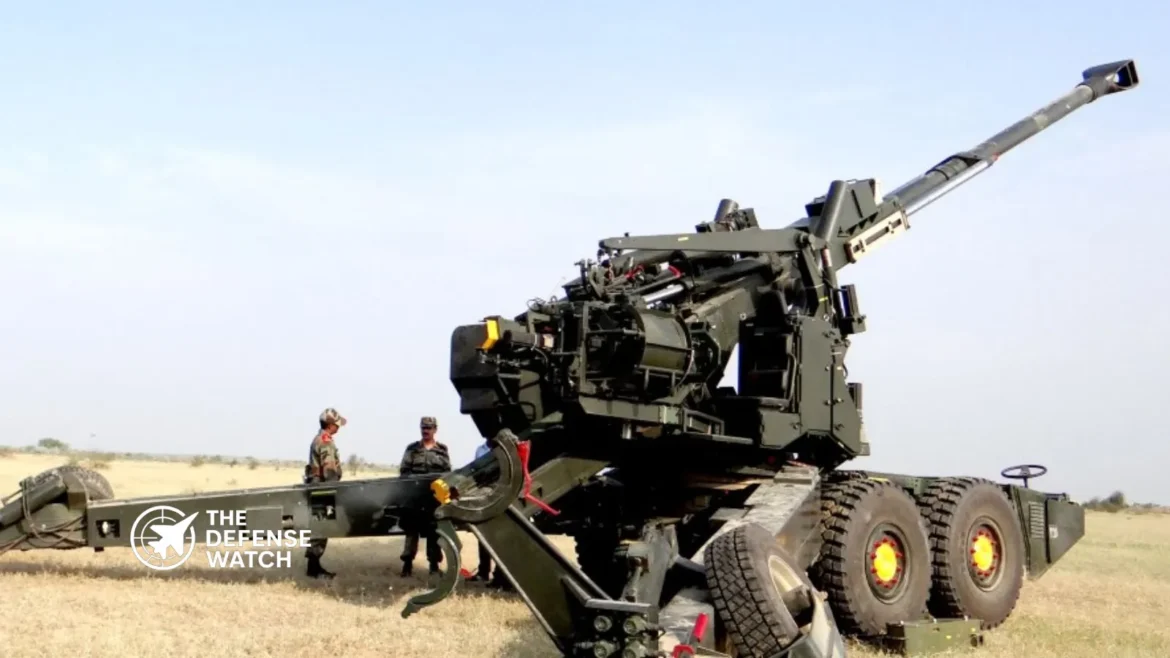
Armenia Indian weapons showcase has, for the first time, publicly revealed key elements of Yerevan latest military acquisitions, highlighting a growing defense relationship with India and a clear focus on long range fires and layered air defense. The display included Indian made ATAGS artillery systems, Trajan truck mounted howitzers, the Pinaka multiple launch rocket system, and the Akash One S air defense system.
(adsbygoogle = window.adsbygoogle || []).push({});The event marks one of the most visible confirmations to date of Armenia recent defense procurement strategy, which has increasingly turned toward non Russian suppliers following recent regional conflicts and evolving security requirements. Defense officials did not announce quantities or deployment timelines, but the systems shown align closely with previously reported contracts and deliveries confirmed by Indian and Armenian sources.
A Clear Signal Of Defense Modernization
The Armenia Indian weapons showcase reflects Yerevan effort to modernize its armed forces with longer range, more mobile, and more precise firepower. According to reporting by Janes and Defense News, Armenia has signed multiple defense agreements with India since 2022, covering artillery, rockets, and air defense systems.
These acquisitions are widely viewed as part of a broader diversification strategy, reducing reliance on legacy Soviet era platforms while addressing battlefield lessons learned from recent conflicts in the South Caucasus.
See also: Armenia Expands Defense Procurement Beyond Traditional Suppliers
ATAGS Artillery Enters Armenian Service
One of the most notable systems on display was the ATAGS, or Advanced Towed Artillery Gun System. The 155 mm howitzer was developed in India through a partnership led by the Defence Research and Development Organisation and private industry.
ATAGS is designed to deliver long range precision fire, with publicly stated ranges exceeding 45 kilometers using extended range ammunition. The system also emphasizes high rates of fire, rapid emplacement, and digital fire control integration.
(adsbygoogle = window.adsbygoogle || []).push({});For Armenia, the ATAGS provides a significant upgrade in counter battery and deep strike capability compared to older 122 mm and 152 mm artillery pieces still in regional inventories.
Trajan Truck Mounted Howitzer Focuses On Mobility
Alongside the towed guns, Armenia displayed the Trajan truck mounted 155 mm 52 caliber howitzer. Produced in India under license, the Trajan places heavy artillery on a high mobility wheeled platform.
The system is optimized for shoot and scoot operations, allowing units to fire and relocate quickly to reduce vulnerability to counter fire and drone surveillance. This approach mirrors trends seen across NATO and other modern armies, where wheeled artillery is favored for rapid response and operational flexibility.
Defense analysts note that such mobility is particularly relevant for Armenia terrain, which includes mountainous and constrained road networks.
Pinaka MLRS Adds Long Range Saturation Fire
The Pinaka multiple launch rocket system was another centerpiece of the Armenia Indian weapons showcase. Pinaka is capable of delivering saturation rocket fire at ranges of up to 75 kilometers, depending on the variant and rocket type.
Developed for the Indian Army, Pinaka has evolved into a modular system with improved accuracy, automated loading, and compatibility with guided munitions. Its inclusion in Armenian service significantly expands the country long range strike options.
According to Army Recognition and official Indian defense statements, Pinaka systems exported to Armenia are expected to include modern fire control and command integration features.
Akash One S Strengthens Air Defense Layer
Armenia also revealed the Akash One S medium range air defense system. Akash One S is an upgraded version of the Akash family, featuring an indigenous seeker designed to improve hit probability and resistance to electronic countermeasures.
(adsbygoogle = window.adsbygoogle || []).push({});The system is intended to counter aircraft, helicopters, unmanned aerial systems, and cruise missiles. Its deployment addresses a critical vulnerability exposed during previous conflicts, where air and drone threats played a decisive role.
Military experts view Akash One S as a key component in building a layered air defense network, complementing shorter range systems already in Armenian service.
Strategic Context And Regional Implications
The Armenia Indian weapons showcase carries broader geopolitical significance. India has steadily expanded its defense exports in recent years, positioning itself as a competitive supplier for countries seeking alternatives to traditional arms providers.
For Armenia, the acquisitions signal a recalibration of defense partnerships amid shifting regional dynamics. While Yerevan continues to maintain ties with long standing partners, the visible presence of Indian systems underscores a more diversified approach.
Breaking Defense and Aviation Week have both highlighted this trend as part of a wider realignment in global arms markets, driven by supply constraints, political considerations, and evolving threat environments.
(adsbygoogle = window.adsbygoogle || []).push({});What Comes Next
While the showcase confirms the presence of these systems, key details remain undisclosed, including unit assignments, operational readiness, and integration timelines. Defense observers will be watching closely for signs of live fire exercises or deployments that could further clarify Armenia operational posture.
What is clear is that the Armenia Indian weapons showcase represents a concrete step in modernizing the country artillery and air defense capabilities, with potential long term implications for regional military balance.
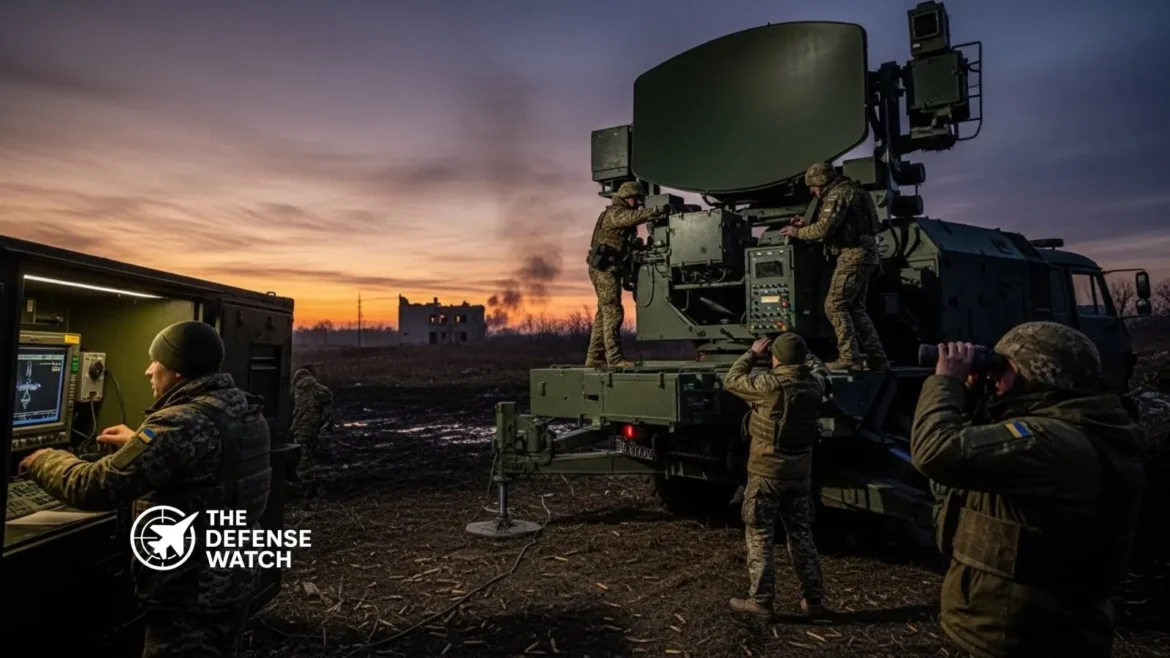
Russia Loses 1,040 Soldiers in Ukraine, Kyiv Says
Russia loses 1,040 soldiers in Ukraine over the past 24 hours, according to figures released by Ukraine’s General Staff and reported by Ukrinform. The update reflects continued high-intensity combat along the eastern and southern fronts of the war.
Ukrainian military officials said Russian forces also lost two multiple launch rocket systems, along with artillery pieces, armored vehicles, and logistical equipment during the same period. The figures were published as part of Kyiv’s daily battlefield assessment.
(adsbygoogle = window.adsbygoogle || []).push({});Equipment losses reported by Ukraine
Alongside personnel casualties, Ukraine’s General Staff reported the destruction or disabling of several Russian systems. These included multiple launch rocket systems used for long-range fires, as well as other artillery assets supporting ground operations.
Kyiv has consistently stated that Russian forces rely heavily on massed artillery and rocket fire. Ukrainian officials argue that counterbattery strikes and drone-enabled targeting continue to degrade those capabilities.
Ongoing high-intensity operations
The reported losses come amid sustained fighting around key contested areas in eastern Ukraine. Both sides continue to conduct offensive and defensive operations, with artillery, drones, and precision strikes playing a central role.
Western analysts caution that casualty figures released by either side cannot be independently verified. However, they broadly align with assessments that Russia is sustaining significant daily losses as the conflict grinds on into another year.
Ukraine’s General Staff publishes updated figures each morning, with Ukrinform serving as a primary official outlet for disseminating those reports.