
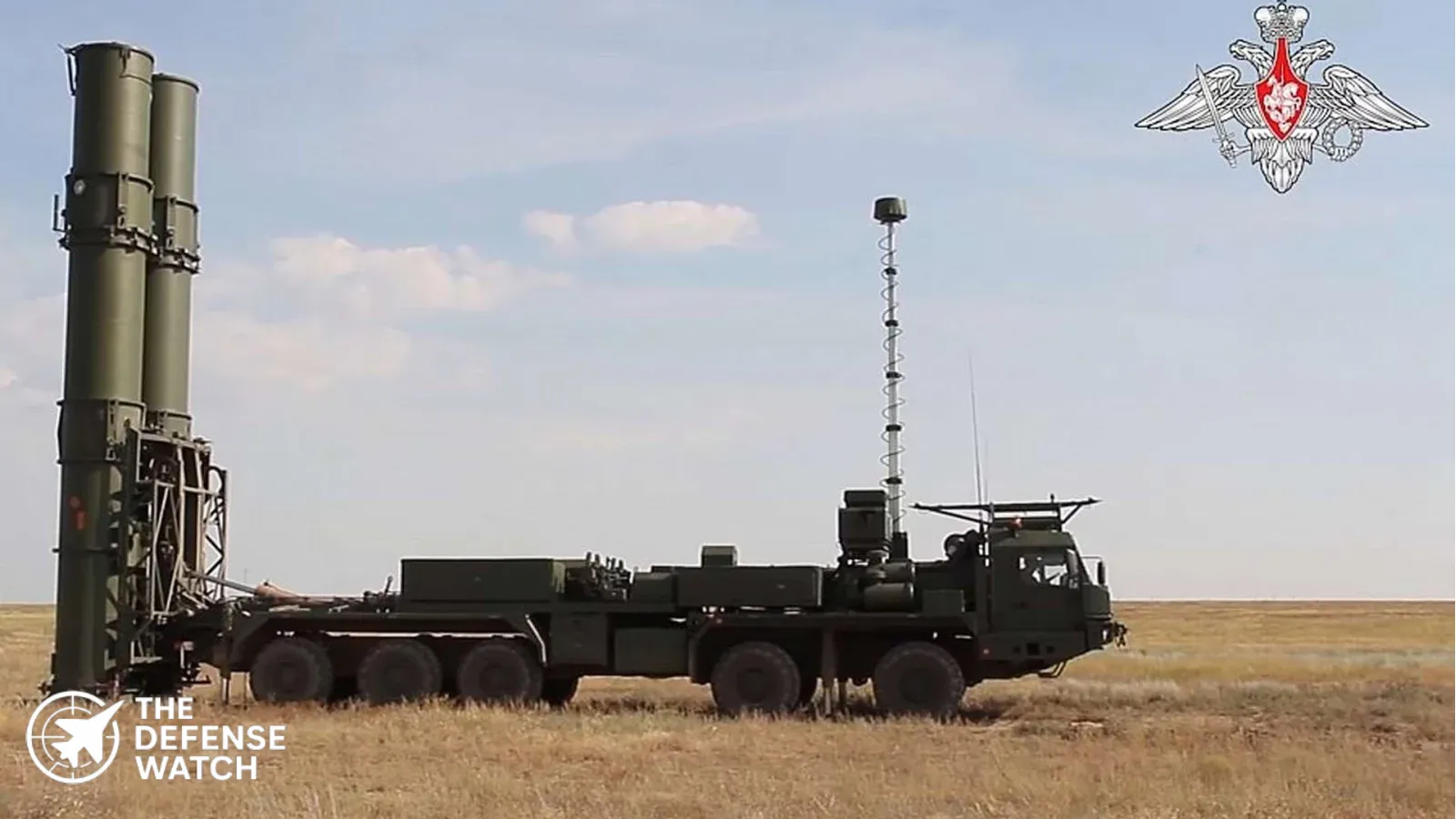
Russia Confirms First Combat Deployment of S-500 System
Russia has officially placed its S-500 missile defense system on combat duty for the first time, marking a significant milestone in the country’s long running effort to modernize its strategic air and missile defense network. The announcement confirms that the next generation system, known as S-500 Prometey, is no longer limited to testing and training roles and has entered operational service.
The deployment was confirmed by Russian defense industry and military sources in early 2025, signaling that at least one S-500 unit has reached full readiness status. While Moscow did not disclose the exact deployment location, previous statements suggest that the system is intended to protect critical strategic regions, including areas surrounding Moscow and key military infrastructure.
The move represents a major step in Russia’s layered air and missile defense strategy and places the Russia S-500 missile defense system among the most advanced operational platforms of its kind.
What Is the S-500 Missile Defense System
The S-500 Prometey is designed to counter a wide range of aerial threats, including ballistic missiles, hypersonic glide vehicles, cruise missiles, advanced aircraft, and low orbit satellites. Unlike earlier systems, it is intended to operate beyond traditional air defense roles, bridging the gap between air defense and strategic missile defense.
Russian officials have stated that the S-500 can intercept targets at ranges exceeding 500 kilometers and at altitudes reaching near space. This capability allows it to engage intermediate range ballistic missiles and emerging hypersonic threats, which have become a central concern for major military powers.
The Russia S-500 missile defense system is expected to complement existing platforms such as the S-400 and the legacy A-135 and A-235 missile defense systems, forming a multi layered shield over key regions.
From Testing to Combat Duty
Development of the S-500 began more than a decade ago, with initial testing phases accelerating in the late 2010s. Russian defense officials previously confirmed successful test launches against ballistic and aerodynamic targets, including high speed objects simulating hypersonic weapons.
Until now, however, the system had not been formally declared operational. The announcement of combat duty status indicates that the system has met military requirements for reliability, command integration, and sustained readiness.
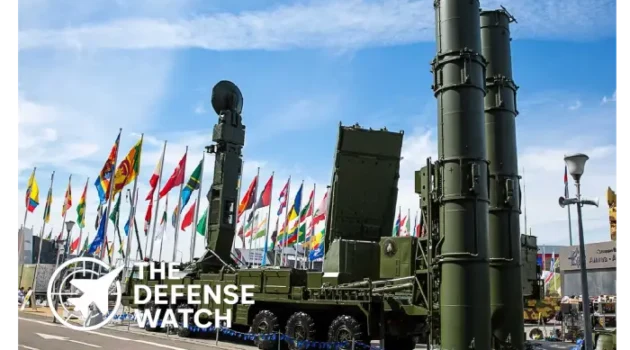
According to Russian sources, the first deployed unit includes advanced radar arrays, command vehicles, and interceptor launchers capable of operating independently or as part of a wider integrated defense network.
Strategic Role in Russia’s Defense Doctrine
The deployment aligns with Russia’s emphasis on strategic deterrence and homeland defense. Moscow has consistently highlighted missile defense as a critical element of national security, particularly amid rising tensions with NATO and continued development of long range precision strike systems by the United States and its allies.
The Russia S-500 missile defense system is expected to play a central role in defending against both conventional and nuclear threats, especially during the early phases of a potential conflict. Its ability to engage targets in near space also reinforces Russia’s interest in countering space based surveillance and strike assets.
Military analysts note that while the system does not replace existing air defense platforms, it significantly expands engagement envelopes and reaction times.
Integration With Existing Air Defense Systems
Russian air defense doctrine relies heavily on layered coverage. The S-500 is designed to work alongside the S-400 and S-300 families, with each system covering different ranges and target types.
Lower altitude threats such as cruise missiles and unmanned aerial vehicles remain the responsibility of shorter range systems, while the S-500 focuses on high altitude, high speed targets. This layered approach increases survivability and complicates enemy strike planning.
The integration of the Russia S-500 missile defense system into this structure suggests that Russia is preparing for increasingly complex aerial threat environments.
International Attention and Strategic Implications
The operational deployment of the S-500 has drawn close attention from Western defense analysts and policymakers. The system’s claimed capabilities, particularly against hypersonic weapons and ballistic missiles, directly intersect with ongoing debates over missile defense effectiveness and strategic stability.
While independent verification of performance claims remains limited, the system’s entry into combat duty indicates confidence within Russia’s defense establishment. Analysts caution, however, that initial deployment does not necessarily imply large scale fielding in the near term.
Production capacity, cost, and training requirements are likely to limit the number of S-500 units available in the short term, making early deployments highly selective.
What Comes Next
Russian officials have previously indicated plans to expand S-500 production and deploy additional units in coming years. Future upgrades may also enhance interceptor capabilities and sensor performance as hypersonic and space based threats continue to evolve.
The first combat deployment represents a symbolic and operational milestone, reinforcing Russia’s message that it intends to maintain parity with, or superiority over, advanced missile defense developments elsewhere.
As the Russia S-500 missile defense system moves from initial deployment to broader service, its real world impact on regional and global security dynamics will be closely watched.
Get real time update about this post category directly on your device, subscribe now.


3 comments
[…] public remarks and interviews, Crank referenced the 1980s Strategic Defense Initiative and the risks of losing momentum without clear milestones. He said a defined timeline […]
[…] architecture. A $6.5 billion mass-production contract covering Steel Dome subsystems and related strategic defense systems was signed between SSB and ASELSAN/Roketsan in late […]
[…] of strategic vulnerability — one defined by an aging bomber fleet, accelerating Chinese and Russian air defense modernization, and the operational lessons drawn from 2025’s Operation Midnight […]