
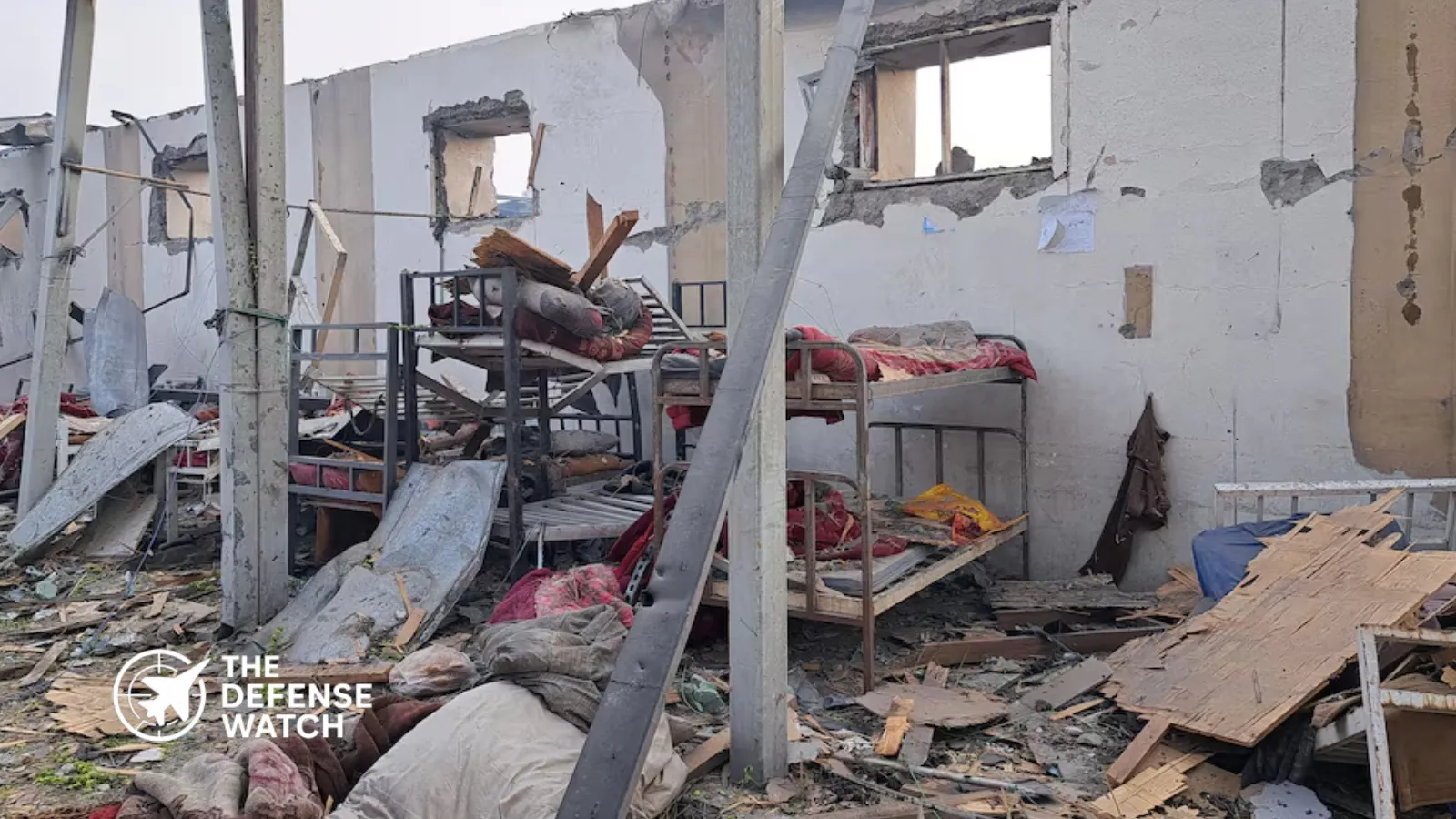
- Taliban claims over 400 killed and 250 injured in an alleged Pakistani airstrike on a Kabul hospital.
- Strike reportedly targeted urban infrastructure, raising concerns over targeting accuracy and rules of engagement.
- Incident marks a sharp escalation in Pakistan Afghanistan tensions and cross border military activity.
- Occurred in March 2026 amid ongoing counterterrorism operations along the Durand Line.
- Civilian impact could reshape regional security dynamics and diplomatic engagement.
Pakistan Air Strike Kabul Hospital
Pakistan air strike Kabul hospital reports indicate one of the deadliest incidents in recent Afghanistan conflict dynamics, with Taliban officials claiming more than 400 fatalities and at least 250 injuries following a strike in Kabul.
The reported attack, cited by Reuters, raises immediate concerns about escalation, civilian protection, and cross border military operations between Pakistan and Afghanistan.
The Big Picture
Cross border strikes between Pakistan and Afghanistan reflect a deteriorating security environment tied to militant safe havens and counterterrorism operations along the Durand Line.
Pakistan has intensified operations targeting groups it accuses of launching attacks from Afghan territory, particularly factions linked to Tehrik-e-Taliban Pakistan (TTP). These operations increasingly blur the line between domestic counterterrorism and interstate military action.
Urban strikes, especially in a capital like Kabul, signal a potential shift in operational scope and risk tolerance.
What’s Happening
Taliban authorities reported that a Pakistani air strike hit a hospital in Kabul, causing mass casualties.
According to Reuters:
- Over 400 people were reportedly killed
- At least 250 were injured
- The strike targeted a hospital facility in Kabul
- The incident occurred on March 17, 2026
Pakistan has not fully confirmed the specific details of the strike as described by Taliban officials, and independent verification remains limited.
The scale of casualties, if confirmed, would make this one of the most significant single incidents involving cross border military action in recent years.
Why It Matters
Civilian infrastructure strikes carry immediate operational and political consequences.
Targeting or mistakenly striking a hospital raises serious questions about intelligence accuracy, targeting procedures, and adherence to international humanitarian law.
For Pakistan, the incident risks undermining its stated objective of precision counterterrorism operations. For Afghanistan’s Taliban authorities, it strengthens their narrative of external aggression.
The Pakistan air strike Kabul hospital case could also draw increased scrutiny from international organizations monitoring civilian harm in conflict zones.
Strategic Implications
Escalation risks between Pakistan and Afghanistan are now significantly higher.
Pakistan’s willingness to conduct strikes deeper into Afghan territory suggests a more aggressive posture aimed at neutralizing perceived threats at their source.
This approach may improve short term disruption of militant networks, but it increases the likelihood of retaliatory actions, proxy escalation, or breakdown in border coordination mechanisms.
Regional stability could deteriorate if such incidents become more frequent or involve major population centers.
Competitor View
Regional actors will closely monitor this development.
China, which has growing economic and security interests in both Pakistan and Afghanistan, may view the incident as a destabilizing factor for regional connectivity projects.
Iran may interpret the strike as part of broader instability along its eastern flank, particularly if refugee flows increase or security conditions worsen.
India could see the situation as evidence of Pakistan’s expanding military footprint beyond its borders, reinforcing existing strategic narratives.
These interpretations align with known regional concerns about cross border militancy and state responses.
What To Watch Next
Official responses will shape the trajectory of this crisis.
Key developments to monitor include:
- Pakistan’s formal statement clarifying the target and intent
- Taliban response, including diplomatic or military measures
- International reaction from the United Nations or major powers
- Any escalation in cross border strikes or retaliatory actions
Operational patterns in the coming weeks will indicate whether this was an isolated incident or part of a broader campaign.
Capability Gap
Pakistan’s cross border operations highlight a persistent intelligence and targeting gap.
Militant groups operating across porous borders create challenges for precise engagement. Without reliable real time intelligence and coordination with local authorities, the risk of misidentification increases.
Airpower provides reach and speed, but it lacks the granular control needed in dense urban environments.
This gap between strategic intent and tactical execution remains a central issue in counterterrorism campaigns.
The Bottom Line
The Pakistan air strike Kabul hospital incident underscores how cross border counterterrorism operations can rapidly escalate into major regional crises with strategic consequences.
Get real time update about this post category directly on your device, subscribe now.
