U.S. Air Force Launches New Bomber Readiness Drive
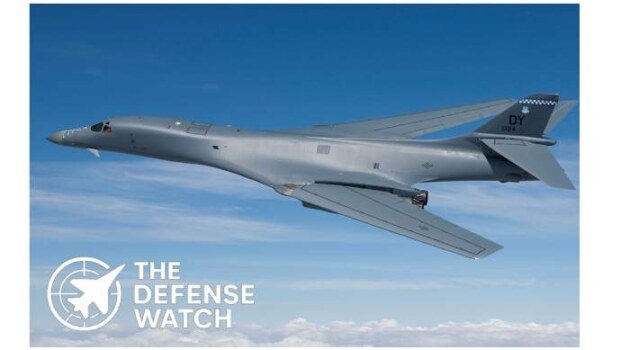
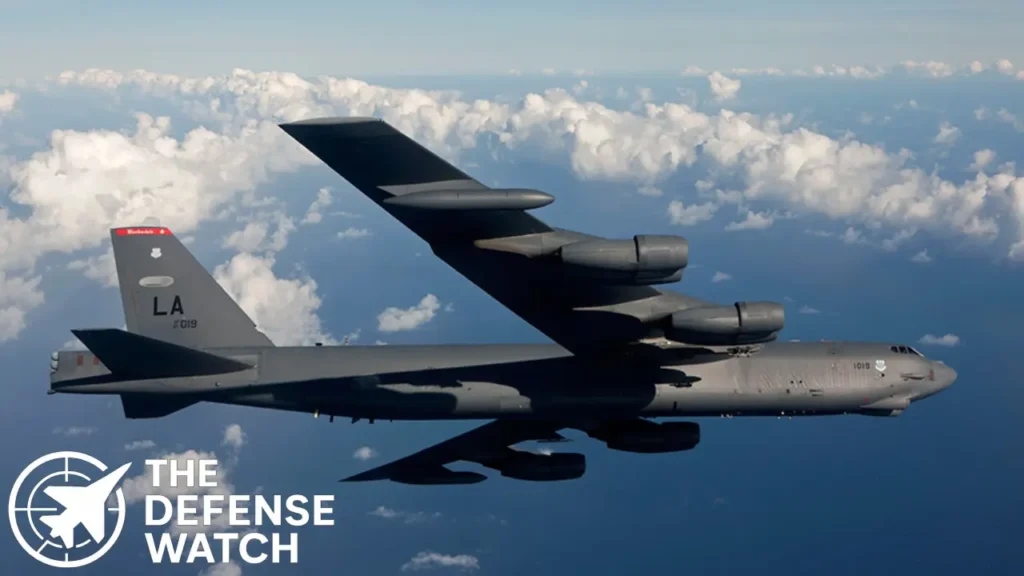
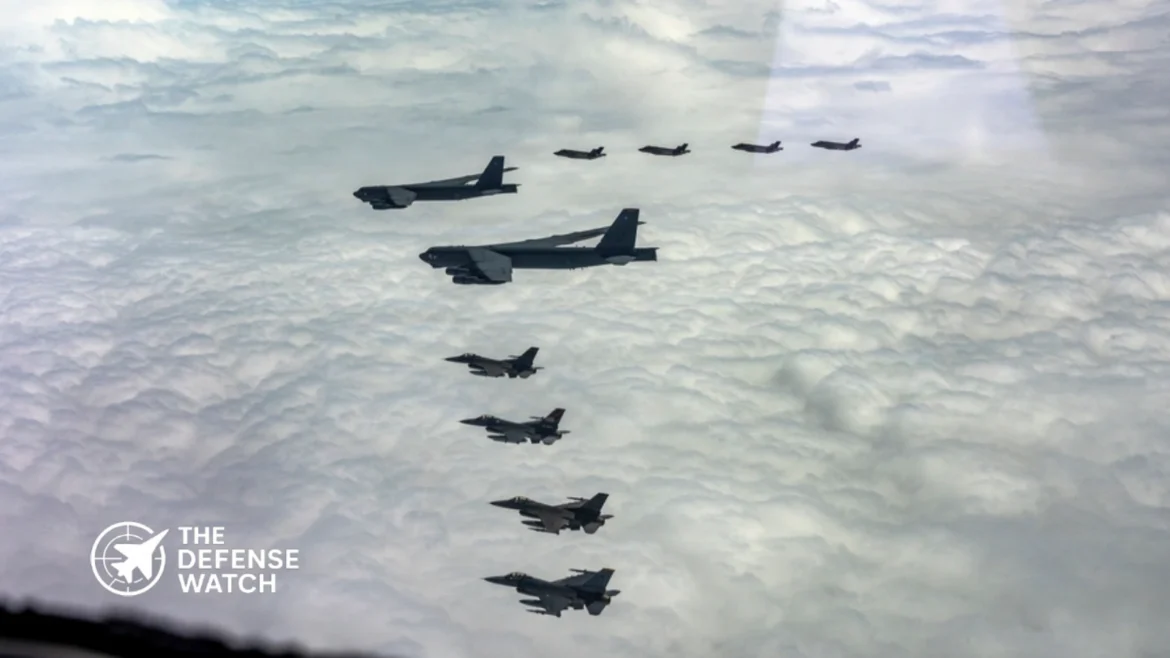
The U.S. Air Force is pushing to increase U.S. bomber readiness by putting more B-52 Stratofortress and B-1B Lancer aircraft into mission-capable status under a new initiative called the North Star Readiness Campaign.
Air Force Global Strike Command launched the campaign with Air Force Materiel Command and the Defense Logistics Agency. The effort is focused on the practical factors that determine how many bombers can actually be generated for operations, including spare parts, engineering support, depot maintenance and supply-chain performance.
Takeaways
The U.S. Air Force has launched a focused campaign to increase the number of mission-capable B-52 and B-1 bombers by addressing parts shortages, maintenance delays and supply-chain problems.
The initiative comes as the Air Force manages an aging bomber fleet while simultaneously modernizing the B-52, sustaining the B-1 and preparing for the expanding B-21 Raider program.
The distinction is important. Buying or upgrading aircraft does not automatically translate into combat power if aircraft remain unavailable because of maintenance requirements or missing components.
Parts Availability Becomes A Central Readiness Issue
One of the clearest findings from the North Star campaign is the effect of supply-chain delays on bomber availability.
According to Air Force Global Strike Command, mission-impacting parts problems, known as Mission Impaired Capability Awaiting Parts, or MICAPs, have fallen from more than 450 to approximately 160 since the campaign began.
The campaign has also established daily aircraft-on-ground meetings involving DLA personnel, supply-chain specialists, base logistics organizations and flight-line maintainers.
The purpose is straightforward: identify the component preventing an aircraft from completing maintenance, locate the part and move it to the required location as quickly as possible.
Some lateral shipments that previously required more than a week can now be completed in approximately two to three days, according to the Air Force.
That improvement matters because bomber readiness is affected not only by major scheduled maintenance but also by comparatively small component shortages. A single unavailable part can prevent an otherwise serviceable aircraft from generating a mission.
B-1B Lancer Receives Particular Attention
The B-1B Lancer is receiving specific attention under the campaign, particularly for structural and avionics components.
Air Force Global Strike Command said the B-1 sustainment effort is designed to improve parts availability while streamlining depot-level maintenance. The objective is to return aircraft to the operational fleet more quickly and reduce the likelihood that future component shortages become mission-stopping events.
The B-1 remains a significant conventional long-range strike platform. The aircraft can carry a large conventional weapons load and is designed for long-range operations, giving combatant commanders another option for delivering conventional strike effects over long distances.
The readiness problem is therefore not simply an issue of aircraft age. It is also a question of how effectively the Air Force can maintain a shrinking and increasingly specialized fleet while continuing to support aircraft that have undergone extensive modernization.
A recent example illustrates the challenge. In May 2026, the Air Force reported that a B-1B returned to operational status following almost two years of work after spending time in storage at the 309th Aerospace Maintenance and Regeneration Group at Davis-Monthan Air Force Base.
That case demonstrates the potential value of depot capacity and regeneration work, but it also shows why accelerating maintenance throughput can have a direct effect on available bomber capacity.
B-52 Modernization Adds Another Layer
The B-52H represents a different sustainment challenge.
The aircraft has been in U.S. service for decades, but the Air Force continues to invest in upgrades intended to keep the platform relevant for future long-range strike missions.
The B-52 is undergoing modernization that includes an upgraded radar and the Commercial Engine Replacement Program. The Air Force has also described the bomber as a platform expected to remain in service well into the future.
The upgraded radar is particularly significant from a sustainment perspective. The Air Force has said the new active electronically scanned array radar is replacing the aircraft’s aging legacy radar and is intended to improve navigation, targeting and maintainability.
At the same time, modernization introduces additional engineering and maintenance requirements.
This creates a delicate balance. The Air Force must keep aircraft flying while modifying systems that are themselves essential to the aircraft’s future operational usefulness.
Bomber Fleet Status
The current U.S. bomber force is built around three operational legacy types, with the B-21 entering the force as the next-generation platform.
Bomber Primary Role Current Position B-1B Lancer Conventional long-range strike Sustainment and readiness improvements B-2 Spirit Stealth penetrating strike Continued sustainment pending B-21 transition B-52H Stratofortress Long-range conventional and nuclear strike Extensive modernization B-21 Raider Next-generation penetrating strike Testing, production expansion and introduction Air Force Global Strike Command says the B-52 and B-1 are being upgraded to remain operational for decades, while the B-2 will continue to be sustained until the B-21 is fully operational.
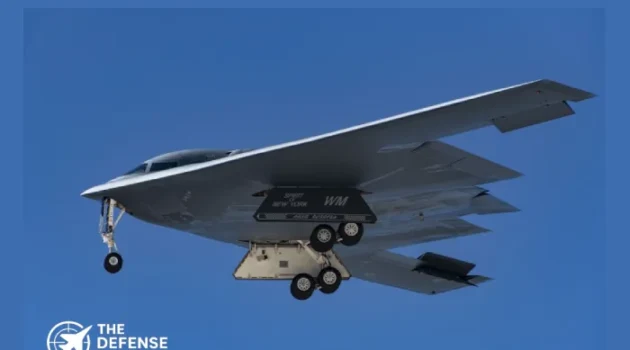
The B-2 also illustrates why aircraft availability can have outsized strategic importance.
In July 2026, a B-2 known as the Spirit of Ohio returned to the fleet after completing programmed depot maintenance. The Air Force said returning the aircraft directly increased the number of available bombers while providing additional flight hours for crew training and readiness.
The B-2 fleet currently consists of 20 aircraft, including one test aircraft, according to the Air Force’s May 2026 fact sheet.
That small fleet size makes the availability of individual aircraft particularly important.
Why Bomber Availability Matters
The immediate value of the North Star campaign is not the creation of additional bombers. It is the effort to increase the percentage of the existing fleet that can actually perform assigned missions.
For a global long-range strike force, that distinction is critical.
The United States uses bomber deployments to demonstrate the ability to move combat power over long distances and to support deterrence missions with allies and partners. Air Force Global Strike Command’s Bomber Task Force construct is designed to provide flexible deployments while assuring allies and deterring adversaries.
A larger mission-capable fleet gives commanders more flexibility to conduct training, deployments, exercises and contingency operations without consuming the entire available aircraft pool.
It also reduces the pressure created when scheduled maintenance, unscheduled repairs and operational taskings compete for the same aircraft.
From a force-generation perspective, improving logistics can therefore produce additional usable capacity without immediately requiring the purchase of another airframe.
The B-21 Is The Long-Term Answer, But Not The Immediate One
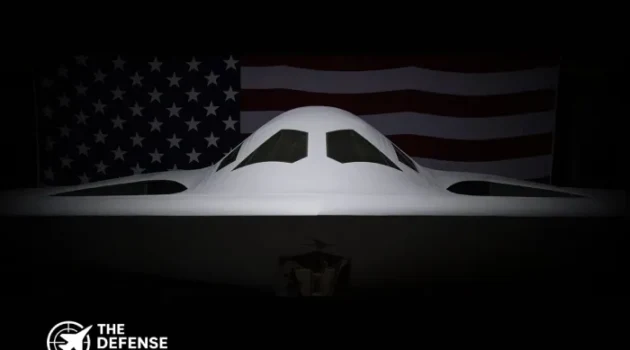
The North Star campaign also has to be viewed alongside the B-21 Raider transition.
The Air Force is accelerating B-21 production capacity. In February 2026, the Department of the Air Force and Northrop Grumman agreed to increase annual production capacity by 25 percent using $4.5 billion in previously authorized and appropriated funding.
The B-21 has also continued flight testing and systems maturation. In April 2026, the Air Force highlighted aerial refueling testing with a KC-135 as part of the program’s development of long-range penetrating strike capability.
In July, the Air Force announced that the B-21 will operate with a two-pilot crew configuration.
These developments point toward a future bomber force increasingly centered on the B-21, but the transition will take time.
That creates a near-term requirement to keep the B-1, B-2 and B-52 available while the new bomber enters operational service.
The Sustainment Problem Is As Important As The Aircraft
The North Star initiative highlights a broader issue facing advanced military aviation.
Aircraft availability depends on more than the number of airframes owned by a service. It depends on engines, avionics, structural components, technical expertise, depot capacity, supply-chain responsiveness and the ability to identify emerging failures before they ground aircraft.
For older platforms, those challenges can become more difficult because manufacturers may no longer produce certain components at scale and maintenance organizations may need to manage increasingly specialized parts.
The Air Force’s approach under North Star is therefore notable because it brings operational commanders, acquisition and sustainment organizations and logistics personnel into the same readiness effort.
That approach targets the complete maintenance chain rather than treating each delay as an isolated problem.
Readiness Improvements Support U.S. Global Strike Capacity
The United States continues to rely on long-range bombers for a combination of conventional strike, nuclear deterrence, force projection and allied assurance.
The B-52 provides substantial weapons capacity and long-range endurance. The B-1 supplies a large conventional weapons payload and high-speed long-range strike capability. The B-2 provides a penetrating stealth capability against heavily defended targets. The B-21 is being developed to provide the next generation of survivable long-range strike capability.
Keeping those aircraft available requires more than modernization programs.
The North Star Readiness Campaign shows that supply-chain performance and maintenance throughput can directly influence the amount of combat power available to U.S. commanders on any given day.
For the Air Force, the immediate objective is therefore straightforward: return more aircraft to service, keep them flying safely and prevent parts shortages from becoming avoidable barriers to operations.
The broader goal is to maintain sufficient bomber capacity during the transition from the legacy fleet to the B-21.

Executive Summary: The U.S. Air Force is preparing to formally study alternatives to the B-52 Stratofortress as a long-range strike platform, even as the first of 76 B-52Hs begins a major overhaul this year. Documents tied to the fiscal year 2027 budget request confirm plans for a “Heavy Bomber Analysis of Alternatives,” signaling that the service is already thinking well beyond the current modernization cycle. The move reflects growing urgency around long-range strike capacity as peer adversary threats intensify.
U.S. Air Force Eyes Post-B-52 Future With New Heavy Bomber Study
The U.S. Air Force is preparing to formally launch a Heavy Bomber Analysis of Alternatives, signaling that long-range strike planners are already looking past the B-52 Stratofortress — even as one of the most ambitious upgrades in the aircraft’s 70-year history is only just beginning.
Documents released alongside the fiscal year 2027 budget request outline plans for a “Heavy Bomber Analysis of Alternatives” to consider what long-range strike capabilities the Air Force might need in the future. Options on the table include new mission requirements for an upgraded B-52, an entirely new aircraft, or a combination of both.
The study represents a strategic pivot point. The Air Force is investing heavily to keep the B-52 relevant through the 2050s — while simultaneously acknowledging that a platform first designed during the Cold War may not meet the full spectrum of future threat requirements on its own.
B-52J Upgrade: Buying Time, Not a Permanent Solution
The first of 76 B-52Hs will begin the overhaul process this year, gaining new Rolls-Royce engines to improve reliability and efficiency, a new glass cockpit, new landing gear, improved radar, and other major modifications — work to be done by Boeing in San Antonio, Texas.
The upgraded aircraft, designated the B-52J, is expected to remain in service into the 2050s. The Air Force spent $3.9 million in 2025 to conduct a classified proof-of-concept demonstration on the B-52 and is seeking $1 million to begin the new analysis of alternatives in 2027.
That relatively modest budget request belies its strategic significance. A formal Analysis of Alternatives (AoA) is a foundational step in U.S. defense acquisition — the precursor to requirements development, industry solicitation, and eventually, program of record status.
Bomber Fleet Reshaping: B-1 and B-2 Out, B-21 In
Air Force bomber plans call for adding at least 100 B-21 Raiders and retaining the B-52Js, while retiring the B-1B Lancer and B-2A Spirit bombers in the 2030s.
The looming B-1 retirement in particular is driving urgency around this analysis. The B-1 can carry up to 75,000 pounds of conventional weapons — more than any other bomber — and is the fastest in the fleet, capable of exceeding 900 miles per hour, or Mach 1.2. The B-52, by comparison, can carry up to 70,000 pounds but tops out at around 650 miles per hour.
Retiring the B-1 will eliminate a payload-heavy, high-speed conventional strike option that the B-21 Raider, optimized for stealth penetration, may not fully replicate. Filling that capability gap is at the heart of the new study.
What the Analysis Will Actually Examine
Mark Gunzinger, a retired Air Force colonel, former deputy undersecretary of defense, and B-52 pilot, offered detailed insight into what the study is likely to evaluate.
The alternatives to be considered will likely include a new stand-off bomber, additional modifications for the Stratofortress, a new aircraft designed to carry a large number of cruise missiles, and the option to build dozens more B-21 Raiders.
Gunzinger framed the effort as broader than a simple aircraft replacement program.
“I think it might be better characterized as saying, they’re taking a look at the stand-off strike mission area itself, and what’s the best solution for the distant future,” Gunzinger said.
Key performance attributes under consideration include stealth capability, speed, payload capacity, stand-off range, electronic warfare integration, and self-defense systems. The analysis will also weigh the continued utility of stand-off weapons — long-range missiles that allow aircraft to strike from outside contested airspace — as a substitute for platform survivability.
Penetrating Strike vs. Stand-Off: A Doctrine Question
The Air Force’s future bomber posture hinges on a doctrinal question that has no easy answer: Is it better to invest in aircraft that penetrate deep into enemy airspace, or platforms that strike from safe distances using long-range weapons?
Stand-off attack means aircraft remain outside enemy airspace, releasing weapons that penetrate contested zones; the B-21 is designed to evade radar and strike well-protected or hardened targets deep inside adversary territory.
Gunzinger argues that both approaches remain essential, and that an all-B-21 force could be strategically limiting. “Both are needed,” he said. “It really gets down to, what’s the ultimate mix you want?”
This is not merely theoretical. U.S. Indo-Pacific Command chief Adm. Samuel Paparo told lawmakers in April that he favors a B-21 fleet of 200 bombers — double the current planned buy of at least 100. Operations Midnight Hammer and Epic Fury, recent strikes against Iranian targets, demonstrated the real-world premium placed on penetrating, precision heavy bombers capable of global reach.
The B-52: Old Airframe, Viable Future
Despite its age, the B-52 airframe itself remains structurally sound, according to experts. “While the aircraft is old, the airframe is still relatively young in terms of flight hours and the stresses it’s absorbed over the years,” Gunzinger said. “So it’s a perfectly viable airframe.”
That assessment helps explain why the Air Force is pursuing the B-52J upgrade in parallel with a longer-term replacement study rather than moving straight to a clean-sheet design. The B-52J buys time — and operational capacity — while the service defines what the post-B-52 era actually looks like.
The B-21’s modular, open-systems architecture will enable the Air Force to upgrade the aircraft as future technology comes online, and a larger B-21 fleet remains firmly in the conversation. However, Gunzinger noted that visual evidence suggests the B-21 will have a smaller payload capacity than the B-52 — a significant operational trade-off when the mission demands high-volume conventional strike capability.
Analysis: Why This Study Matters Now
The timing of the Heavy Bomber Analysis of Alternatives is no coincidence. The United States faces a more complex threat environment than at any point since the Cold War. China’s rapidly expanding anti-access/area-denial (A2/AD) network, Russia’s continued nuclear posturing, and North Korea’s ballistic missile advances all demand that U.S. long-range strike remain credible, flexible, and survivable.
The B-21 Raider addresses the penetrating strike requirement. The B-52J addresses near-term stand-off capacity. But neither, on its own, may be sufficient across the full spectrum of future conflict scenarios. A purpose-built stand-off platform capable of carrying large numbers of cruise missiles — a concept sometimes described as a “missile truck” — could fill a critical niche, particularly in the Pacific theater where distances are vast and targets are dispersed.
What the Air Force is really doing with this study is stress-testing its own assumptions. In a fiscally constrained environment, deciding what to build — and what to forgo — will define American air power for decades to come.
Key Facts at a Glance
- Program: Heavy Bomber Analysis of Alternatives (AoA)
- Budget Year: FY2027 ($1 million requested to begin)
- Prior Investment: $3.9 million for classified B-52 proof-of-concept demonstration (FY2025)
- B-52J Upgrade: 76 aircraft; new Rolls-Royce engines, glass cockpit, landing gear, radar; Boeing, San Antonio
- Service Life Extended To: 2050s
- B-1B/B-2A: Planned retirement in the 2030s
- B-21 Raider: At least 100 planned; 200 recommended by INDOPACOM commander
- Primary Contractor (B-52J): Boeing / Rolls-Royce
KEY FACTS AT A GLANCE- U.S. Air Force B-52 strategic bombers launched long-range strikes on Iranian missile infrastructure during Operation Epic Fury.
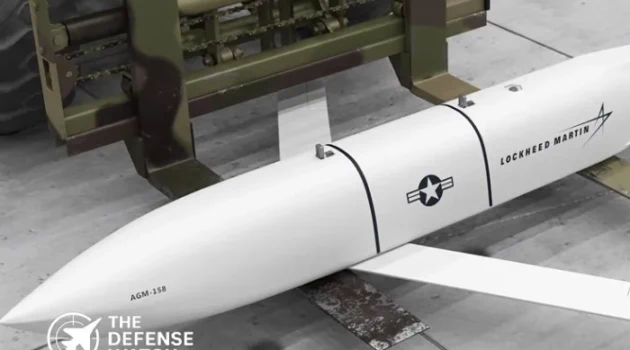
- Aircraft employed AGM-158 JASSM precision cruise missiles to strike targets from outside heavily defended airspace.
- Strikes targeted Iranian ballistic missile facilities and command and control nodes.
- The operation forms part of a broader U.S. and Israeli campaign against Iranian military infrastructure.
- Long-range bomber operations demonstrate the U.S. ability to conduct stand-off precision strikes across the Middle East.
US Deploys B-52 Bombers With JASSM Cruise Missiles Against Iranian Missile Sites
The United States deployed B-52 bombers with JASSM cruise missiles to strike Iranian missile sites as part of the expanding air campaign known as Operation Epic Fury. U.S. Central Command confirmed that the long-range bombers targeted ballistic missile infrastructure and command and control facilities linked to Iran’s military operations.
(adsbygoogle = window.adsbygoogle || []).push({});The strikes form part of a broader U.S. and allied effort aimed at degrading Tehran’s ability to coordinate and launch missile attacks across the region. American forces have carried out hundreds of precision strikes during the campaign, targeting missile storage sites, radar installations, air defenses, and drone facilities.
The Big Picture
Operation Epic Fury represents one of the most significant U.S. military operations in the Middle East in years. The campaign combines airpower, long-range missiles, electronic warfare, and allied coordination to dismantle Iranian military capabilities tied to ballistic missile operations.
U.S. planners appear to be pursuing a layered strike strategy. Stealth platforms such as B-2 bombers conduct deep penetration attacks on hardened facilities, while older but highly capable bombers like the B-52 deliver stand-off weapons from outside contested airspace.
This approach reflects the U.S. military’s modern doctrine for high-intensity operations against advanced air defense networks. Rather than relying on a single platform, commanders combine stealth aircraft, cruise missiles, and electronic warfare to gradually dismantle enemy defenses before striking key infrastructure.
What Is Happening
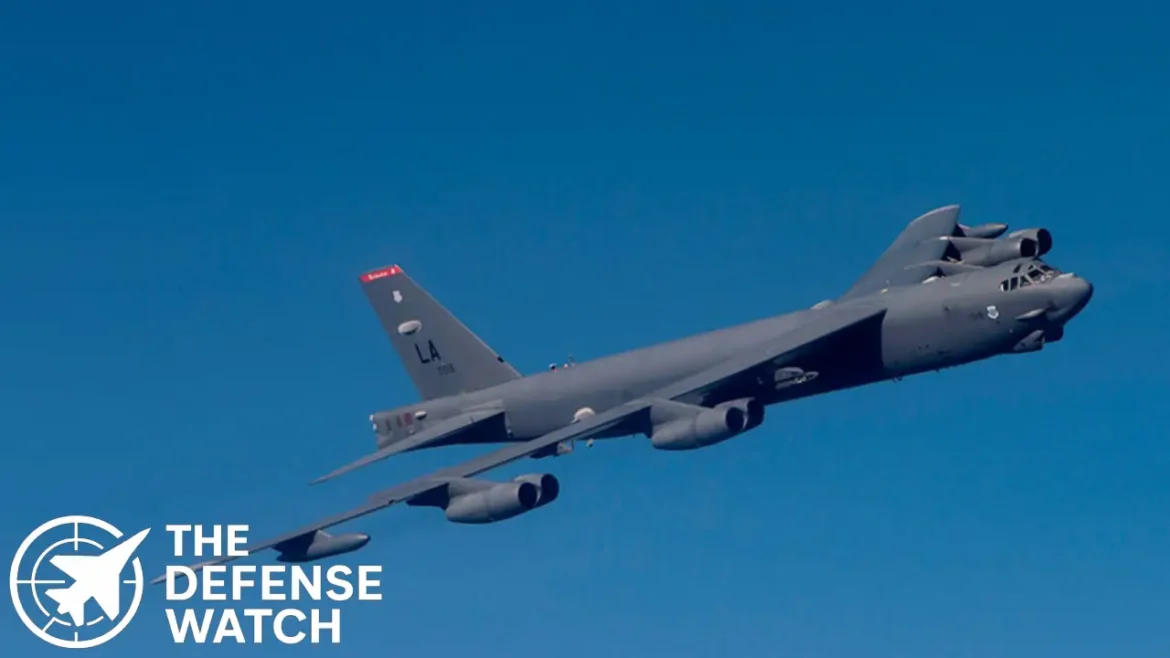
U.S. Air Force B-52 Stratofortress bombers carried out long-range strike missions against Iranian missile facilities during the opening phases of the campaign.
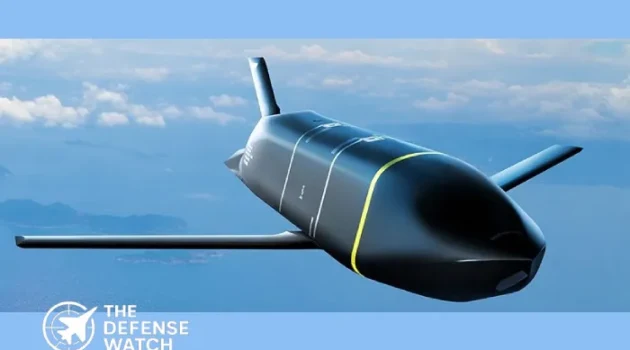
The aircraft launched AGM-158 Joint Air-to-Surface Standoff Missiles, commonly known as JASSM. These stealthy cruise missiles allow bombers to attack targets hundreds of kilometers away while remaining outside the reach of many air defense systems.
Military officials said the targets included ballistic missile launch infrastructure, weapons storage locations, and command networks used by Iranian forces to coordinate missile operations.
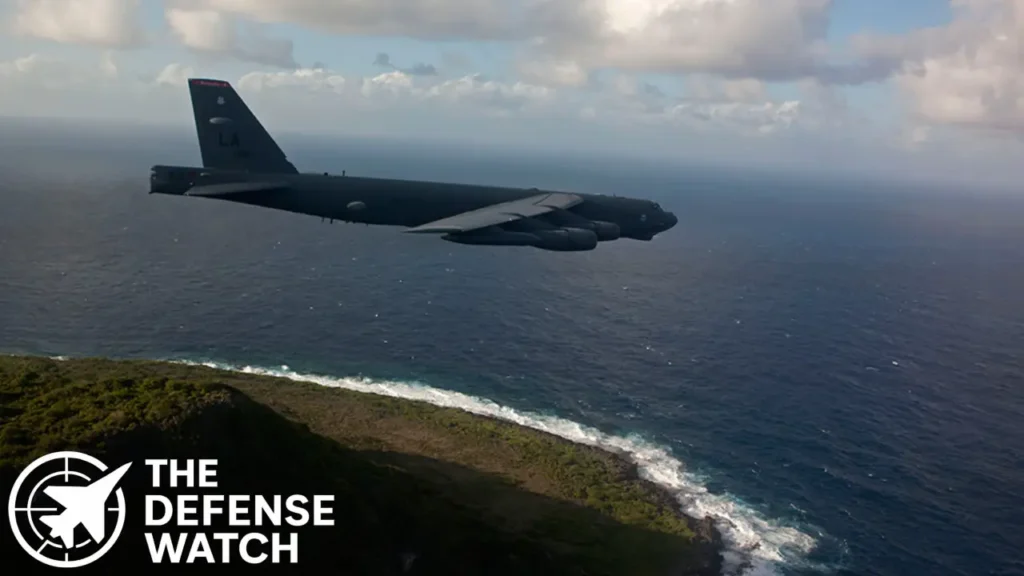
The B-52 remains one of the most enduring platforms in the U.S. bomber fleet. First flown in the early 1950s, the aircraft continues to perform conventional strike missions worldwide and may remain in service for decades due to continuous modernization.
Why It Matters
Iran’s ballistic missile arsenal is one of the largest and most capable in the Middle East. Tehran relies heavily on missile forces as a key element of its deterrence strategy against regional rivals and U.S. forces deployed in the region.
Targeting missile infrastructure therefore serves a clear operational purpose. By degrading launch facilities and command networks, U.S. planners aim to reduce Iran’s ability to conduct large scale missile strikes against regional bases, shipping lanes, and allied countries.
The use of stand-off cruise missiles also reflects a practical military consideration. B-52 bombers are large aircraft with a significant radar signature. Rather than entering heavily defended airspace, they employ long-range precision weapons that allow them to strike from safer distances.
Strategic Implications
The deployment of B-52 bombers with JASSM cruise missiles highlights how the United States integrates legacy aircraft into modern networked warfare.
Despite its age, the B-52 remains highly effective when paired with modern weapons. The aircraft can carry large numbers of precision cruise missiles, effectively functioning as a long-range missile truck capable of striking multiple targets in a single mission.
For U.S. Central Command, this capability provides a powerful option for suppressing enemy infrastructure early in a conflict. Large bomber formations can launch dozens of cruise missiles simultaneously, overwhelming air defense systems and destroying dispersed targets.
The strikes also reinforce Washington’s broader message of military reach. Strategic bombers can deploy from bases thousands of kilometers away and still conduct precision attacks across the Middle East.
Competitor View
Iranian military planners view long-range bomber strikes as a major threat to their strategic missile infrastructure.
Iran has invested heavily in layered air defenses, underground facilities, and mobile launch systems to complicate enemy targeting. However, stand-off weapons such as JASSM reduce the effectiveness of these defenses because the launch platform does not need to penetrate the air defense network.
Russia and China will likely analyze these operations closely. Both countries maintain extensive air defense systems and rely on hardened infrastructure to protect critical military assets. Observing how the United States combines stealth bombers, cruise missiles, and electronic warfare offers insight into American strike doctrine against heavily defended targets.
Capability Gap
Iran’s missile forces rely on fixed infrastructure for storage, coordination, and logistics. Even though mobile launchers exist, command centers and supply networks remain vulnerable to precision strikes.
(adsbygoogle = window.adsbygoogle || []).push({});The use of long-range cruise missiles directly targets this vulnerability. Destroying command and control nodes can disrupt launch coordination, slow operational tempo, and reduce the effectiveness of missile forces.
However, such strikes rarely eliminate an entire missile program. Mobile launchers, underground facilities, and dispersed infrastructure can allow Iran to continue operations even after significant damage to its network.
What To Watch Next
Military analysts will closely watch several developments as the campaign continues.
First, additional bomber deployments could expand the scale of stand-off missile strikes against Iranian infrastructure.
Second, the U.S. may shift toward more direct strikes once air defenses are sufficiently degraded. Stealth aircraft, tactical fighters, and drones could then operate more freely over Iranian territory.
Third, Iranian responses will shape the next phase of the conflict. Tehran may attempt retaliatory missile launches or asymmetric attacks through regional proxy forces.
The Bottom Line
The use of B-52 bombers armed with JASSM cruise missiles highlights the U.S. strategy of combining long-range stand-off weapons with strategic bombers to dismantle Iran’s missile infrastructure while minimizing risk to aircraft and crews.
B-52 radar upgrade aircraft arrives at Edwards Air Force Base
A U.S. Air Force B-52 Stratofortress fitted with a major radar upgrade has flown to Edwards Air Force Base in California for dedicated flight testing. The deployment took place in mid December 2025 and marks a key step in validating new sensor capabilities for the aging but still central U.S. strategic bomber fleet.
The aircraft will support a structured test campaign led by the Air Force Test Center, focusing on radar performance, integration, and reliability. Edwards AFB is the primary hub for developmental flight testing of advanced U.S. military aircraft systems.
Why the B-52 radar upgrade matters
The B-52 radar upgrade is a core element of the U.S. Air Force plan to keep the Stratofortress operational into the 2050s. First introduced in the 1950s, the B-52 has undergone multiple modernization efforts, but its legacy radar has long been considered a limitation in contested airspace.
The new radar is derived from the AN APG 79 family, a proven active electronically scanned array system already used on U.S. Navy aircraft. By adapting this technology for the B-52, the Air Force aims to deliver improved target detection, higher resolution mapping, and stronger resistance to electronic attack.
Background on B-52 modernization efforts
The radar effort sits alongside several other major upgrades underway for the bomber. These include new commercial derivative engines, updated communications, improved navigation systems, and the integration of future long range weapons.
Together, these changes are designed to extend the aircraft service life while keeping operating costs under control. Air Force officials have repeatedly stated that the B-52 will operate in tandem with newer platforms such as the B-21 Raider, rather than being replaced outright.
Testing objectives at Edwards AFB
At Edwards, engineers and test pilots will evaluate how the B-52 radar upgrade performs across a wide range of flight conditions. This includes high altitude cruise, long range navigation, and target tracking scenarios relevant to both conventional and nuclear missions.
Testing will also examine how the radar integrates with existing avionics and mission systems. Because the B-52 airframe was not originally designed for modern digital sensors, ensuring stable power, cooling, and data flow is a major focus of the program.
According to U.S. Air Force testing practices, early flight tests typically emphasize safety and basic functionality before moving into advanced mission profiles later in the campaign.
Operational benefits for the U.S. Air Force
Once fielded, the B-52 radar upgrade is expected to significantly improve situational awareness for bomber crews. The new system offers faster scan rates and better performance against moving and low visibility targets.
These improvements support both stand off strike missions and maritime operations, where accurate long range sensing is critical. Enhanced radar capability also strengthens the bomber ability to operate in environments with advanced air defense systems.
From a strategic standpoint, the upgrade reinforces the credibility of the U.S. bomber leg of the nuclear triad by ensuring the aircraft can operate effectively well into the future.
Industry and program context
The radar effort reflects a broader trend within the U.S. Department of Defense to reuse mature technologies across platforms. By leveraging an existing radar design, the Air Force aims to reduce development risk and accelerate deployment timelines.
Defense industry partners are supporting the integration and test phases, working closely with Air Force engineers at Edwards. The program remains part of a wider bomber modernization budget approved under recent defense authorization acts.
What comes next after flight testing
Following the Edwards test phase, data will be reviewed to confirm performance thresholds and identify any required design changes. If results meet expectations, the Air Force will proceed toward low rate initial production and fleet wide installation.
Operational B-52 units are expected to begin receiving the upgraded radar later in the decade. Full fleet integration will take several years, aligning with other major upgrades such as the new engine replacement program.
The successful completion of this test phase will be a critical milestone for ensuring the B-52 remains a viable and effective asset for U.S. global strike missions.
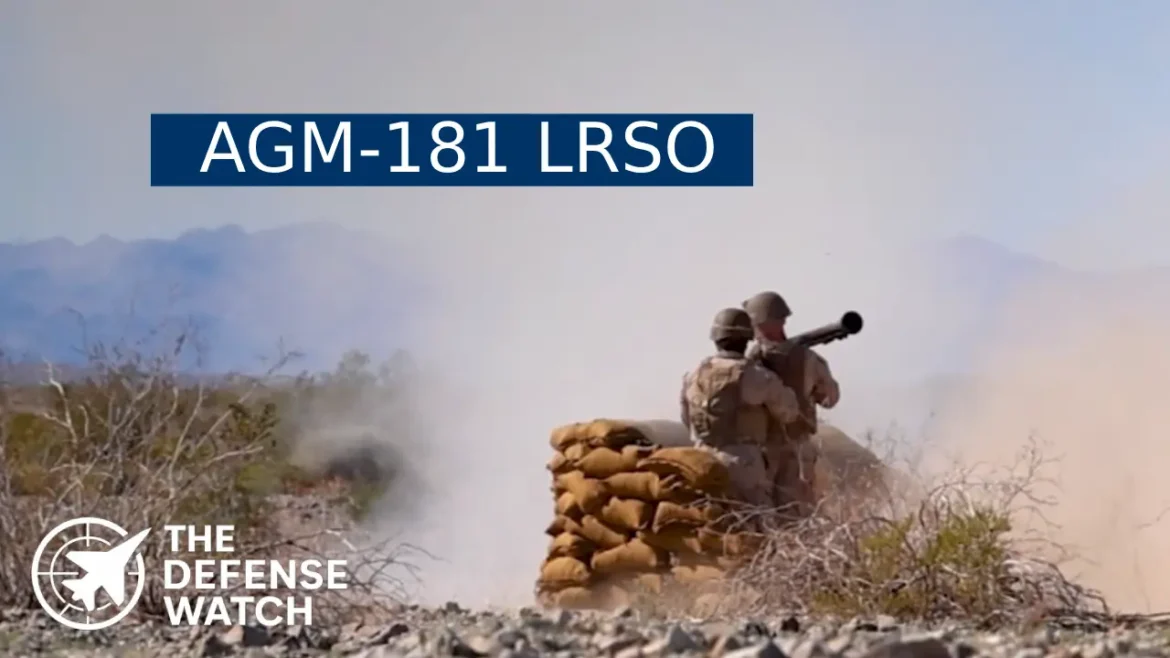
A U.S. Air Force B-52H Stratofortress was recently observed carrying what appears to be the AGM-181 Long-Range Standoff (LRSO) nuclear cruise missile during a test flight over California. The sighting, which occurred near Edwards Air Force Base, marks one of the most visible demonstrations to date of the next-generation stealth weapon designed to replace the aging AGM-86B Air-Launched Cruise Missile (ALCM). The event comes days after Russia conducted another test of its nuclear-powered Burevestnik cruise missile, underscoring intensifying global nuclear signaling.
Background: Modernizing the Nuclear Triad
The AGM-181 LRSO is a central pillar of the U.S. strategic modernization program, intended to ensure the viability of the bomber leg of the nuclear triad well into the 2050s. Developed by Raytheon, the LRSO incorporates low-observable features aimed at penetrating advanced air defense systems deployed by peer adversaries such as China and Russia.
It will replace the AGM-86B, first fielded in the 1980s and increasingly vulnerable to modern radar networks and missile defenses. While the program has been largely classified, previously released Air Force statements confirm that LRSO is intended to provide a highly survivable, long-range nuclear strike capability.
Test Details and Observations
Photographs captured by defense observers showed the B-52H carrying a missile shape consistent with earlier conceptual models of the AGM-181. The missile’s contour, inlet configuration, and surface finish align with previously disclosed renderings from industry briefings. The Air Force has not formally confirmed the details of the flight but has acknowledged ongoing developmental testing for the LRSO program.
According to program officials, LRSO flight testing is expected to intensify in the years ahead as the weapon progresses toward initial operational capability in the early 2030s. The Air Force continues to integrate the missile with upgraded B-52H bombers, which are undergoing radar, communications, and engine modernization to support the next generation of nuclear and conventional missions.
Although the missile carried during the test was almost certainly an inert or captive-carry test article, such flights are essential for validating missile aerodynamics, fit, weight distribution, and aircraft flight characteristics.
Global Context: Moscow Conducts Burevestnik Test
The appearance of the AGM-181 over California follows Russia’s latest test of the 9M730 Burevestnik, a nuclear-powered, theoretically unlimited-range cruise missile. While the operational status of Burevestnik remains uncertain, its continued testing is widely seen as part of Moscow’s ongoing strategic messaging.
The timing of both nations’ missile activities has raised concerns among analysts about escalatory cycles in nuclear signaling. However, U.S. officials maintain that the LRSO program is a long-planned modernization effort rather than a response to any specific Russian action.
Expert and Policy Perspectives
Defense analysts say the LRSO is designed to ensure that U.S. bombers retain the ability to strike heavily defended targets even as adversaries deploy integrated air defense systems featuring long-range radars, high-speed interceptors, and counter-stealth sensors.
Dr. Aaron Miles, a former Pentagon nuclear policy official, has previously noted that the LRSO is crucial for maintaining credible deterrence because it “complicates adversary planning and preserves the bomber force’s ability to penetrate contested airspace.”
Similarly, a 2023 Congressional Research Service report emphasized that replacing the AGM-86B is essential due to reliability concerns and the missile’s declining ability to evade detection. The LRSO, by contrast, is expected to incorporate advanced guidance, signature reduction, and electronic protection measures.
Strategic Implications
The U.S. bomber fleet is undergoing one of its most significant modernization cycles in decades. In addition to the LRSO, the B-52H is being updated with new F130 engines, an active electronically scanned array (AESA) radar, and digital cockpit systems. Simultaneously, the Air Force is preparing the B-21 Raider stealth bomber for operational debut later this decade.
The LRSO will be compatible with both the B-21 and the B-52H, giving planners greater flexibility in matching platforms with mission requirements.
The latest test reinforces Washington’s commitment to sustaining its long-range nuclear strike capabilities at a time of increasing global competition. China continues to expand its nuclear arsenal, and Russia maintains a diverse inventory of air-, sea-, and ground-launched nuclear systems.
What’s Next
Further developmental tests of the AGM-181 LRSO are expected throughout the late 2020s, leading to low-rate initial production early next decade. Once fielded, the LRSO will become the primary air-launched nuclear weapon of the U.S. bomber force, replacing the ALCM after nearly five decades of service.
The Air Force will likely accelerate integration work across the bomber fleet as part of broader triad modernization efforts aimed at deterring peer competitors in a rapidly evolving threat environment.
B-52 Stratofortress Modernization Faces New Delays
The U.S. Air Force’s effort to modernize its B-52 Stratofortress fleet—a bomber in continuous service since the 1950s—has encountered fresh schedule setbacks. The upgrade program, intended to transform the current B-52H into the B-52J variant, will now see its radar modernization delayed until 2030 and its engine replacement effort stretched to 2036, according to recent assessments from the Government Accountability Office (GAO).
These delays affect the Pentagon’s timeline to extend the bomber’s life into the 2050s, ensuring the aircraft remains operational even alongside the next-generation B-21 Raider.
Radar Modernization Slips to 2030
The Radar Modernization Program (RMP) aims to replace the B-52’s aging 1960s-era radar with the AN/APG-79 Active Electronically Scanned Array (AESA) system. This upgrade will significantly improve targeting accuracy, navigation, and weather detection.
However, the GAO reports that Initial Operational Capability (IOC) for the radar will not be achieved until mid-2030, about three years later than planned. The reasons include environmental testing issues, parts procurement delays, and software development challenges.
Engine Replacement Program Extended to 2036
The Commercial Engine Replacement Program (CERP) is a centerpiece of the B-52J upgrade. Rolls-Royce’s F130 turbofan will replace the obsolete Pratt & Whitney TF33 engines, promising better fuel efficiency, lower maintenance demands, and longer range.
Originally expected to be completed earlier, the re-engining effort across all 76 aircraft is now scheduled to conclude by 2036. Key causes include inlet design revisions, testing delays, and supply chain bottlenecks. Even so, the Air Force expects the first operational aircraft with new engines to be ready by 2033.
Additional B-52J Enhancements
Beyond radar and engines, the B-52J will integrate a suite of upgrades:
- Digital cockpit displays and advanced avionics
- Link-16 and satellite communications for networked operations
- Expanded weapons bay capacity to support precision-guided munitions and potential hypersonic missiles
Earlier modernization programs, such as CONECT (Combat Network Communications Technology), have already introduced digital systems to enhance mission planning and real-time data exchange.
Strategic Context
The B-52 remains one of the most enduring strategic platforms in aviation history, with the Air Force marking its 70th anniversary of service in 2025. Despite its age, the bomber’s large payload, global reach, and adaptability make it indispensable for deterrence and long-range strike missions.
Analysts note that modernization delays mirror broader challenges in U.S. defense acquisition—balancing ambitious upgrade goals with technical and budgetary hurdles. Still, the B-52J’s upgrades are considered essential, ensuring the aircraft remains a credible complement to stealth bombers like the B-21 and conventional strike platforms.
FAQs
What is the B-52J?The B-52J is the upgraded version of the B-52H, featuring new engines, radar, digital avionics, and enhanced weapons integration.
Why was the radar upgrade delayed?The program faces environmental testing issues, parts shortages, and software integration challenges, pushing IOC to 2030.
When will the new engines be operational?The first aircraft with Rolls-Royce F130 engines is expected to be ready by 2033, with full fleet completion by 2036.
Why does the U.S. still use the B-52?Despite being a legacy aircraft, its payload, range, and upgrade potential make it cost-effective and strategically valuable.
The Boeing B-52 Stratofortress, America’s enduring heavy bomber, recently celebrated 70 years of service with the U.S. Air Force. As the venerable aircraft continues to project strategic deterrence, its modernization programs—particularly radar and engine upgrades—are entering pivotal phases, albeit with notable delays.
This article examines the B-52’s continued relevance, the status of its upgrades, and the implications for its future service into the 2050s.A Legacy of Strategic Reach
Introduced in 1955, the B-52 has remained a cornerstone of the Air Force’s long-range strike and nuclear capabilities. As of 2025, roughly 72 aircraft remain active, supported by others in storage.
Known for its large payload, long endurance, and cost-effectiveness, the Stratofortress continues to embody “peace through strength”
Radar Modernization Nears Flight Testing
The Radar Modernization Program (RMP)—which will equip B-52s with the advanced AN/APQ-188 AESA radar, improves detection, resistance to jamming, and multifunction capability. After years of schedule slips and cost growth, this milestone is now expected to enter flight testing soon.

Originally targeting operational capability as early as 2027, the delays now push debut to 2028–2030.. Factors include integration challenges, environmental qualification setbacks, and Nunn-McCurdy cost breach reviews.Engine Upgrade—Re-Engining Setbacks Continue
The Commercial Engine Replacement Program (CERP) aims to replace aging TF33 engines with modern Rolls-Royce F130 units—transforming the fleet into “B-52J” variants. However, design issues with the engine inlets have delayed progress. After digital redesign efforts, wind-tunnel testing is ongoing, and the new configuration is expected to be validated by 202.
The critical design review and initial production decision have both slipped – now anticipated for March 2028, three years behind initial plans.Role and Relevance into the 2050s
Despite modernization challenges, the B-52 remains slated to serve through the 2050s, thanks to incremental upgrades to radar, engines, avionics, and structural systems..
Its adaptability—integrating modern standoff weapons including hypersonic missiles—and robust logistics footprint make it a cost-effective workhorse well beyond its original design life.Analysis and Context
- The B-52’s longevity underscores the U.S. Air Force’s strategy of extending proven platforms through modernization rather than costly replacements.
- The delays in critical upgrades highlight persistent challenges in modernizing legacy aircraft—especially in retrofitting advanced systems into Cold War-era designs. Yet, the commitment to keep the B-52 viable well into the 2050s reflects its unmatched payload, range, and flexibility in strategic deterrence.
FAQs
Why is the B-52 still in service after 70 years?Its large payload, long range, dual nuclear/conventional capability, and cost-effective upgrades enable continued strategic utility far beyond its original life expectancy.
What benefits will the new AN/APQ-188 radar bring?The AESA radar will enhance target acquisition, resolution, ground-moving-target indication, synthetic aperture radar modes, and electronic warfare resistance.
When will B-52s receive the new Rolls-Royce F130 engines?Initial testing continues. The critical engine inlet redesign testing is set to conclude by 2026, with initial production slated for around 2028.
How long will the B-52 remain operational?The bomber is planned to remain in service through the 2050s, supported by ongoing modernization across avionics, weapons payloads, engines, and radar systems.
What does the future hold for the B-52’s role?With upgrades enabling advanced standoff weapons and improved situational awareness, the B-52 will continue to serve in long-range strike, deterrence, and allied operations, complementing newer stealth bombers like the B-21.