
Table of Contents
U.S. Army Looks to Drone Swarms Over Helicopters
The U.S. Army is intensifying efforts to develop drone swarms capable of replacing or supplementing manned attack helicopters in future combat operations. As warfare evolves toward greater reliance on unmanned systems, Army officials have signaled that swarming drones could eventually take on roles currently performed by platforms such as the AH-64 Apache and future vertical lift helicopters.
This shift comes as the service reevaluates its aviation modernization plans following the decision earlier this year to cancel the Future Attack Reconnaissance Aircraft (FARA) program. Instead of pursuing another manned helicopter, the Army is redirecting resources toward advanced unmanned systems, autonomy, and drone swarm experimentation.
From Helicopters to Drones
According to Army leaders, the growing effectiveness and affordability of small, networked drones are reshaping the calculus of battlefield aviation. A drone swarm can provide persistent reconnaissance, electronic warfare, and strike capabilities at a fraction of the cost of deploying traditional helicopters.
Unlike single aircraft, swarms of drones operate cooperatively, overwhelming enemy air defenses, saturating electronic warfare systems, and providing commanders with unmatched flexibility. The Army envisions drone swarms delivering precision strikes, supporting ground units, and even carrying out missions too risky for manned aircraft.
Source: U.S. Army modernization updates
Lessons from Ukraine and Beyond
The war in Ukraine has underscored how drones—ranging from small quadcopters to long-range loitering munitions—are transforming modern combat. Both Russia and Ukraine have demonstrated how swarms of unmanned aircraft can bypass traditional defenses, strike armor, and disrupt command networks.
U.S. Army planners are drawing on these lessons, recognizing that future peer conflicts may demand scalable, attritable drone forces rather than expensive, high-maintenance helicopters.
Technical Challenges Ahead
Despite the promise, significant hurdles remain. Developing fully autonomous drone swarms capable of operating in contested environments requires breakthroughs in artificial intelligence, secure communications, and resilient networking. The Army is also exploring how drone swarms can integrate with existing command-and-control systems while avoiding fratricide on crowded battlefields.
The logistics of deploying and sustaining swarms—ranging from battery endurance to rapid rearming—also remain an area of focus. Critics argue that while drone swarms may supplement manned platforms, they may not fully replace helicopters’ lift capacity, speed, or versatility.
Analysis: A Doctrinal Shift in U.S. Army Aviation
The pivot toward drone swarms reflects a broader doctrinal change within the U.S. Army. For decades, attack helicopters such as the Apache have served as the centerpiece of Army aviation, offering close air support and deep strike capabilities. But as adversaries field more advanced air defense systems, survivability for manned helicopters is increasingly questioned.
Drone swarms, by contrast, offer a low-cost, high-volume alternative aligned with emerging concepts of distributed operations. By replacing vulnerable helicopters with unmanned systems, the Army could preserve combat power while reducing risk to pilots.
Still, analysts caution that helicopters will not disappear overnight. Instead, a hybrid model—where drone swarms augment manned aircraft—may dominate U.S. Army aviation for the next two decades.
FAQs
A drone swarm is a coordinated group of unmanned aerial systems operating together to achieve a mission through autonomy and networked control.
Not immediately. Analysts expect swarms to supplement rather than fully replace helicopters, at least in the near term.
The Army canceled FARA in 2024, citing changing battlefield needs, budget priorities, and the growing effectiveness of unmanned systems.
Ukraine has demonstrated the effectiveness of massed, affordable drones in contested environments, accelerating U.S. interest in drone swarm warfare.
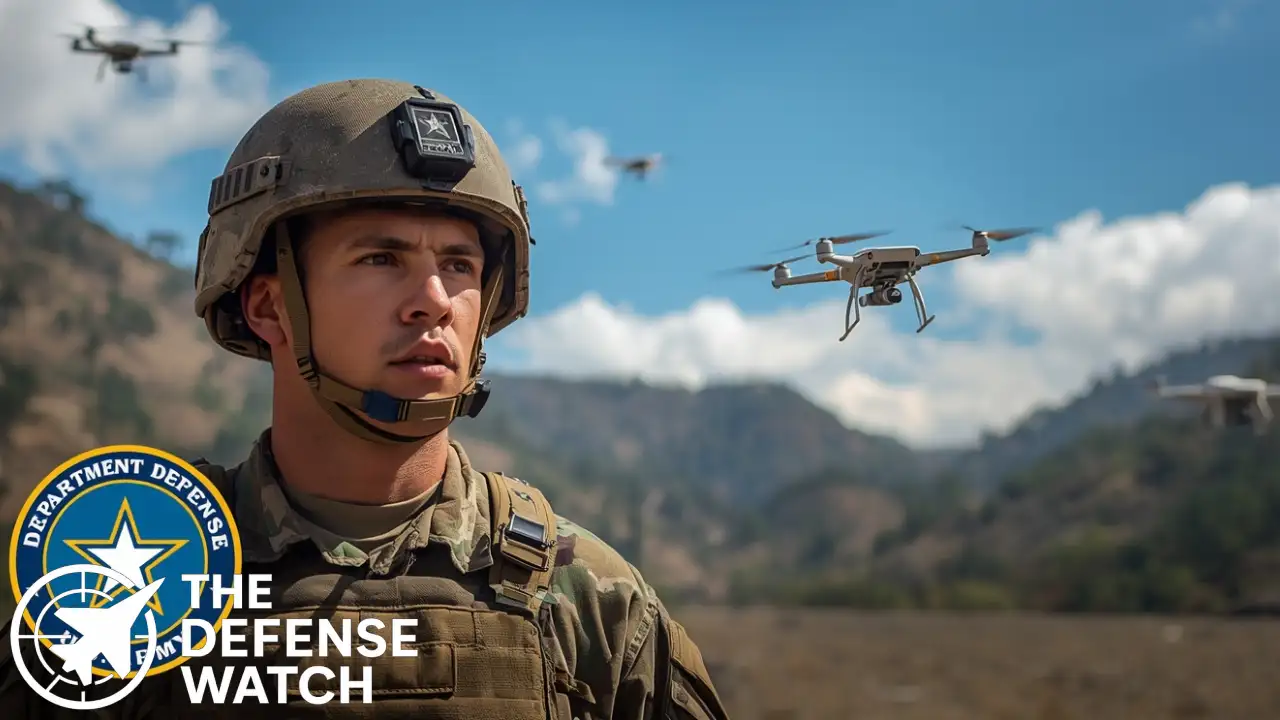
Note: The images are AI-generated.
Get real time update about this post category directly on your device, subscribe now.

13 comments
[…] September trials are a turning point in global defense trends. With drone swarms and low-cost rockets increasingly threatening both military and civilian infrastructure, nations […]
[…] appears to have received more than a dozen Chinese-made one-way attack drones last year from Sichuan AEE, another Chinese UAV firm, routed via TSK Vektor. Invoices and […]
[…] the Cost-Exchange RatioIn a future conflict, the U.S. could face swarms of inexpensive drones and massed missile salvos. The Air Force’s current inventory skews toward sophistication and […]
[…] Operational performance: Continued open-source footage and Ukrainian statements may give insight into how effective Skynex is under real combat conditions, particularly against drone swarms or mixed missile attacks. […]
[…] Combat Aircraft (CCA) initiative. In Pacific theater simulations, F-22s have quarterbacked drone swarms to penetrate denied airspace, leveraging their Mach 2 dash for quick ingress and egress. Though […]
[…] contracted “vessel of opportunity” equipped with a government-owned, contractor-operated unmanned lifting system carried out the recovery. The Navy did not disclose the vessel’s […]
[…] naval threats evolve, especially the growth of saturation missile attacks and drone swarms, navies are seeking ways to increase onboard missile capacity. This requirement has driven interest […]
[…] Black Hawk family has been a cornerstone of U.S. Army aviation for more than four decades. Since its introduction in the late 1970s, the aircraft has been […]
[…] sites. The design supports parallel engagements and high track-and-engage capacity against both swarm attacks and higher-performance Group 3 […]
[…] range heavy lift drones offer a lower cost and lower risk alternative to traditional airlift for certain missions. Analysts […]
[…] intervention comes as the UK reviews future helicopter requirements, including the New Medium Helicopter program and long-term sustainment of existing […]
[…] stated that the operation validated key elements of swarm warfare, including coordinated navigation, target assignment, and engagement timing. Each Kargu loitering […]
[…] night, with preliminary reports indicating successful interception of a significant portion of the attacking unmanned aerial vehicles. However, several drones evaded Ukrainian defenses and struck targets in Odesa, […]