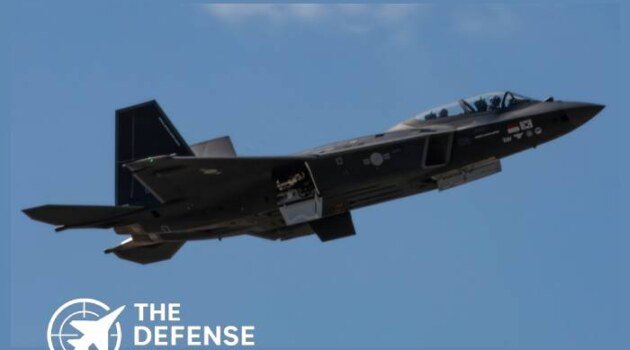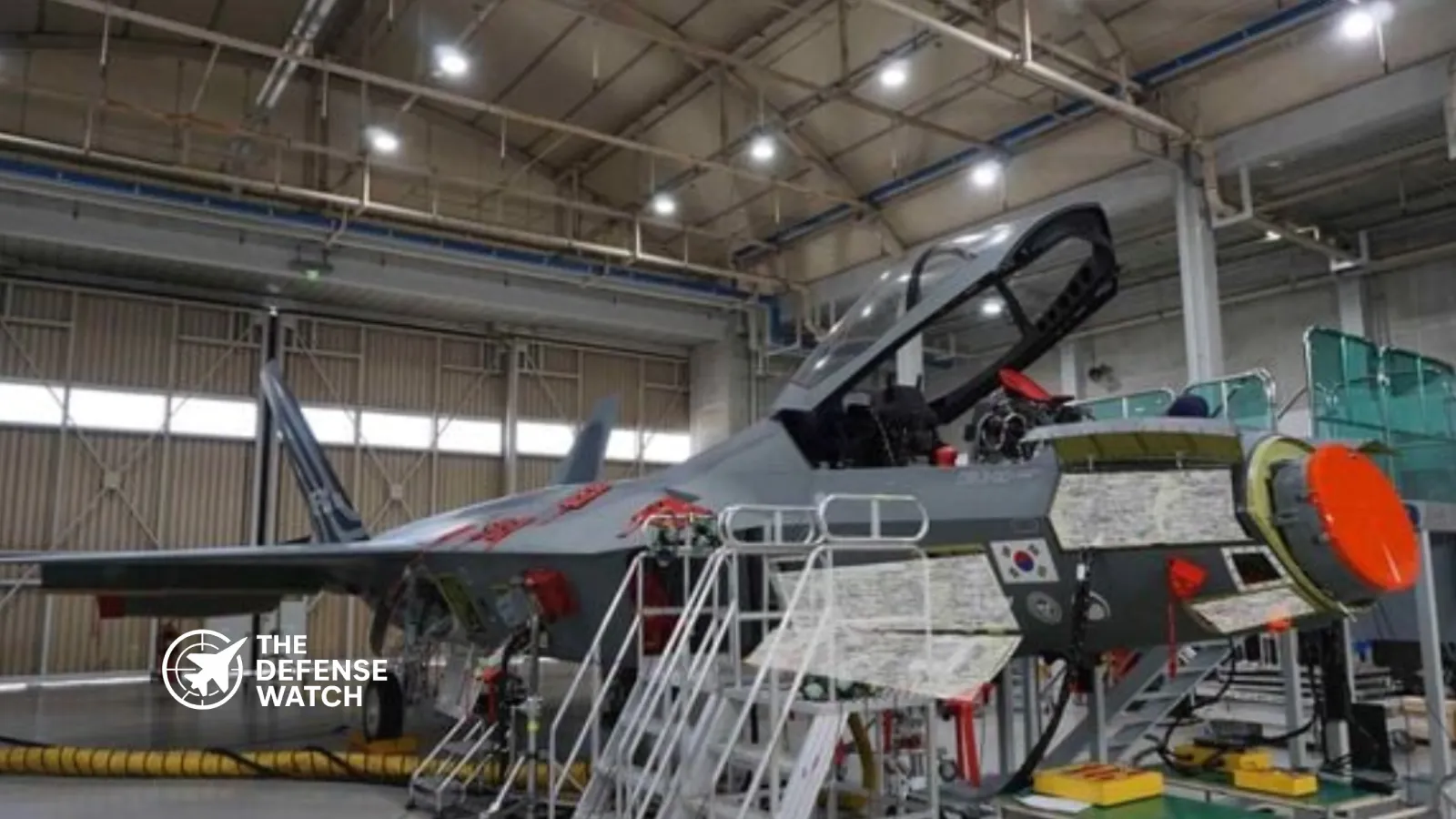
The KF 21 radar system has entered its final testing phase, marking a major milestone in South Koreas effort to field an indigenous advanced fighter aircraft. The program, led by the Defense Acquisition Program Administration and Hanwha Systems, aims to complete validation of the active electronically scanned array radar before integration into frontline KF 21 Boramae aircraft.
The final phase focuses on operational performance, reliability, and combat relevant testing ahead of mass production and service entry.
Radar Testing Moves Into Final Phase
South Koreas Defense Acquisition Program Administration confirmed that the KF 21 radar system has transitioned into its last round of evaluation. This phase includes airborne testing on KF 21 prototypes, tracking accuracy checks, target detection performance, and electronic warfare resilience.
The radar is designed as an AESA system using gallium nitride based transmit receive modules. Officials have stated that the system is intended to meet modern air combat requirements, including multi target tracking, resistance to jamming, and integration with advanced weapons.
Testing during this phase is expected to validate performance under realistic mission profiles, including air to air and air to ground scenarios.
Strategic Importance for the KF 21 Program
The radar is a core sensor for the KF 21 fighter and a critical element in South Koreas broader military modernization effort. Unlike earlier fighter programs that relied heavily on foreign avionics, the KF 21 radar system is largely domestically developed.
South Korean officials view this as a strategic capability that reduces reliance on external suppliers and export restrictions. It also supports Seouls ambition to become a competitive exporter of advanced combat aircraft.
The KF 21 is intended to replace older F 4 and F 5 fighters in the Republic of Korea Air Force while complementing existing F 35A and F 15K fleets.
Role of Hanwha Systems and Industry Partners
Hanwha Systems serves as the prime contractor for the radar, working with the Agency for Defense Development and other local partners. Development began in the mid 2010s, with early ground testing followed by flight trials starting in recent years.
The company has emphasized software defined architecture, allowing future upgrades through software changes rather than hardware redesigns. This approach aligns with modern fighter sensor development trends seen in US and European programs.
South Korean defense officials have stated that lessons learned from the radar program will feed into future aircraft and unmanned systems.
Integration With Weapons and Sensors
During the final testing phase, engineers are focusing on radar integration with the KF 21 mission computer and cockpit displays. This includes sensor fusion, pilot workload reduction, and compatibility with air to air missiles such as the Meteor and domestically developed weapons.
Electronic protection features are also being assessed to ensure survivability in contested electromagnetic environments. These tests are particularly relevant given the growing emphasis on electronic warfare in the Indo Pacific region.
Timeline Toward Operational Service
South Korea plans to complete radar qualification in line with the KF 21 Block I development schedule. Initial operational capability for the aircraft is targeted for the second half of the decade, pending successful testing and production ramp up.
The final testing phase is expected to support certification for serial production aircraft, with early batches focused on air defense missions. Later KF 21 variants are planned to incorporate enhanced strike and electronic warfare capabilities.
Officials have indicated that radar maturity is one of the key gating factors for full rate production approval.
Regional and Global Implications
The progress of the KF 21 radar system underscores South Koreas growing technological base in advanced defense electronics. It also reflects a broader trend among US allies to invest in sovereign defense capabilities amid supply chain risks and export controls.
For regional security watchers, the program highlights Seouls intent to maintain qualitative airpower advantages while reducing dependence on foreign platforms.
From a global market perspective, a proven indigenous AESA radar could strengthen the KF 21s export prospects, particularly among countries seeking advanced fighters without the political constraints attached to some Western systems.
Get real time update about this post category directly on your device, subscribe now.