Saab Canada Fighter Partnership Targets Future Airpower Strategy
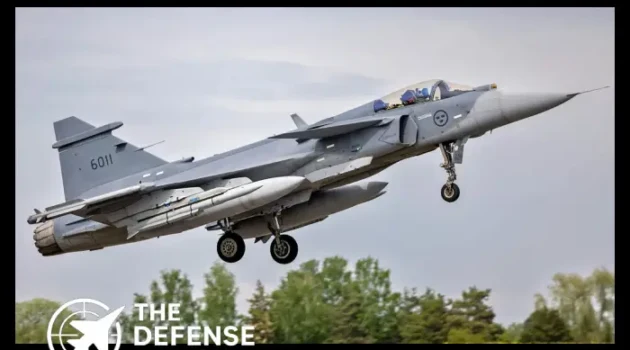
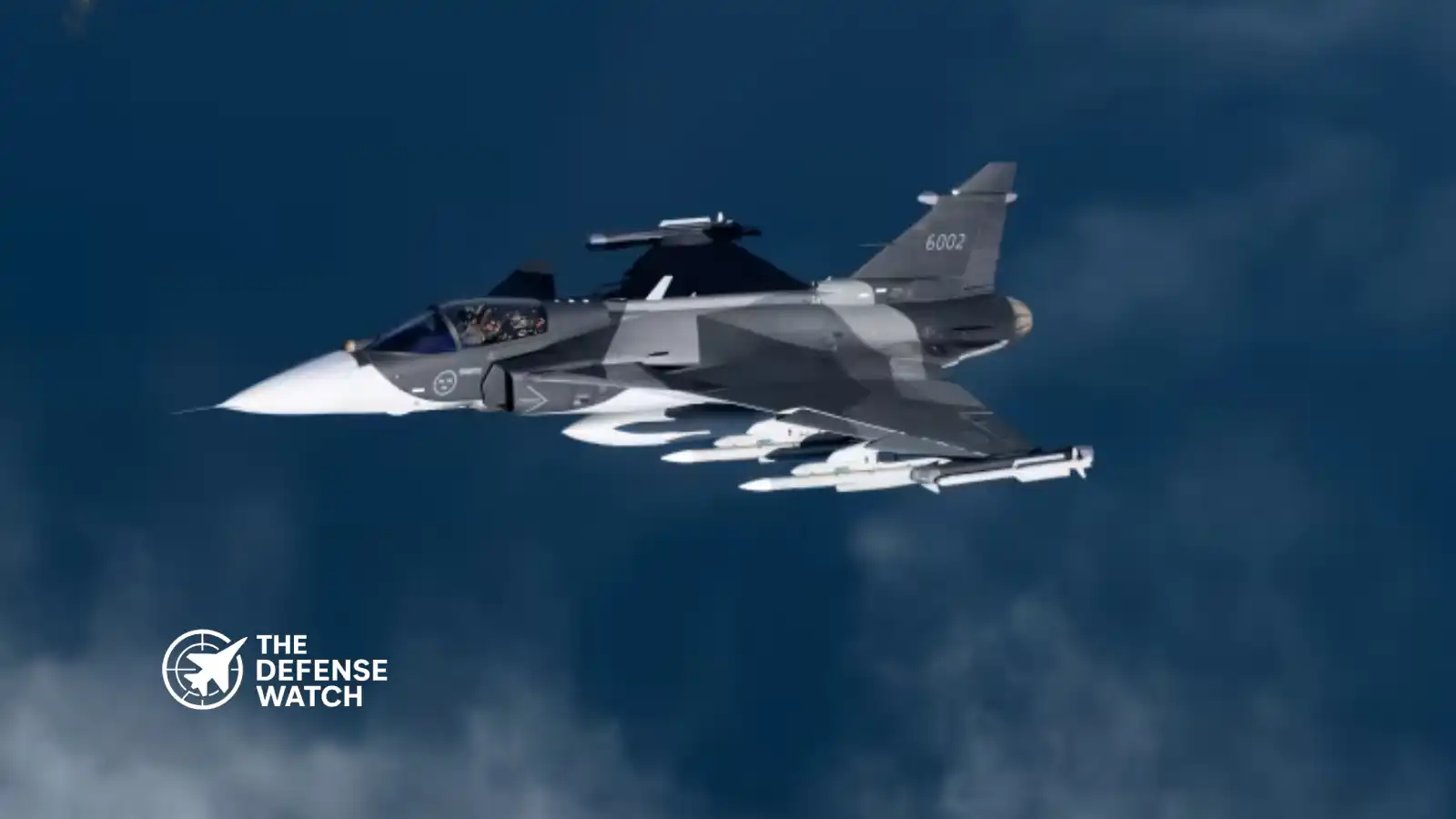
Sweden’s Saab is actively pursuing a Saab Canada fighter partnership aimed at supporting Ottawa’s long-term next-generation fighter development, signaling a strategic push to remain relevant in Canada’s evolving airpower landscape.
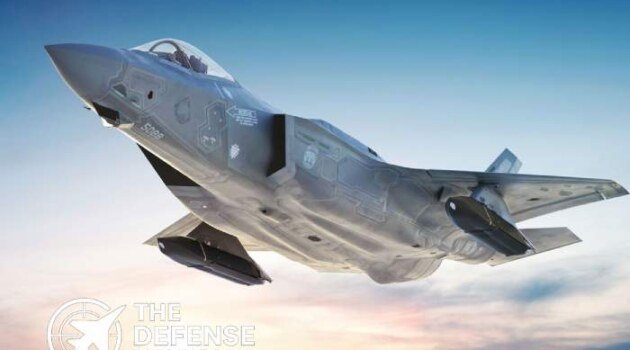
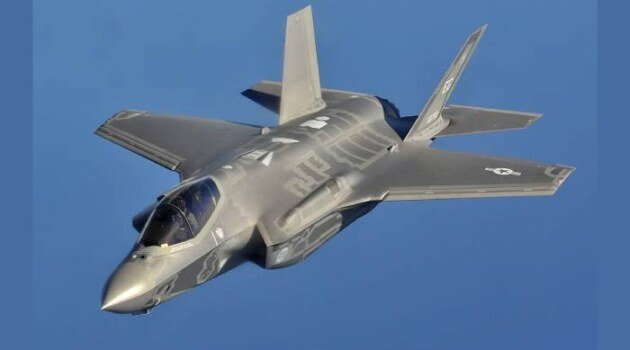
Saab is positioning itself as a partner not only for aircraft platforms but also for broader defense industrial collaboration, including technology transfer and domestic production capabilities. The effort comes even as Canada proceeds with its acquisition of the F-35, underscoring Saab’s focus on future opportunities rather than past procurement outcomes.
- Saab is seeking a long-term partnership with Canada on next-generation fighter development and industrial cooperation.
- The move comes despite Canada’s selection of the F-35, signaling Saab’s continued interest in future programs.
- Saab is offering technology collaboration, domestic industry participation, and sovereign capability development.
- Canada is expected to evaluate long-term airpower needs beyond current fifth-generation platforms.
- The proposal reflects growing competition among Western defense firms for future fighter ecosystems.
This approach reflects a broader shift in the global fighter market, where competition increasingly centers on ecosystem partnerships rather than standalone aircraft sales.
Saab’s Strategy: Beyond Aircraft Sales
Saab’s proposal emphasizes industrial cooperation, sovereignty, and long-term capability development. Rather than offering a traditional off-the-shelf fighter solution, the company is promoting a collaborative framework that could allow Canada to shape future systems alongside international partners.
This aligns with Saab’s established export strategy seen in previous campaigns, where it has highlighted technology sharing and local industry participation as key differentiators. The company’s pitch to Canada includes:
- Joint development of next-generation fighter technologies
- Integration of Canadian defense firms into global supply chains
- Support for sovereign maintenance and upgrade capabilities
From an operational standpoint, this model appeals to countries seeking greater control over their defense assets, particularly in an era where supply chain resilience and strategic autonomy are gaining importance.
Canada’s Long-Term Fighter Considerations
While Canada has committed to acquiring the F-35, defense planners continue to assess future requirements beyond fifth-generation platforms. Air forces across NATO and allied nations are already exploring sixth-generation fighter concepts, often involving multinational collaboration.
In this context, Saab’s outreach can be seen as a forward-looking move. By engaging early, the company aims to position itself within any future Canadian-led or multinational fighter initiative.
Canada’s geographic and strategic environment also plays a role. With vast Arctic territories and increasing attention to northern defense, future fighter capabilities may require:
- Extended range and endurance
- Advanced sensor integration
- Interoperability with allied systems
- Adaptability to extreme operating conditions
Saab’s experience in designing aircraft for dispersed operations and austere environments could factor into its pitch, particularly if Canada prioritizes flexibility alongside advanced stealth and sensor capabilities.
Competitive Landscape: A Crowded Field
The Saab Canada fighter partnership initiative enters a highly competitive environment dominated by major defense primes. The F-35 program, led by the United States, already integrates multiple partner nations into a shared development and sustainment framework.
At the same time, emerging sixth-generation programs such as the Global Combat Air Programme (GCAP) and the Future Combat Air System (FCAS) are reshaping the market. These initiatives emphasize networked warfare, artificial intelligence integration, and manned-unmanned teaming.
Saab’s challenge lies in carving out a role within this evolving ecosystem. Unlike larger consortiums backed by multiple governments, Saab may need to leverage niche strengths such as cost efficiency, modular design, and flexible partnership models.
Industrial and Strategic Implications
For Canada, engaging with Saab could offer several potential advantages, even outside a formal aircraft procurement:
- Diversification of defense partnerships
- Increased domestic industrial participation
- Access to alternative technology pathways
However, such collaboration would need to align with Canada’s existing commitments, particularly within the F-35 program and NATO interoperability requirements.
From a geopolitical perspective, Saab’s outreach highlights the intensifying competition among Western defense firms to secure long-term partnerships with allied nations. As military modernization accelerates, early collaboration on future systems is becoming a key battleground.
Analysis: Positioning For The Next Cycle
Saab’s move is less about immediate procurement and more about shaping the next phase of fighter development. By targeting Canada now, the company is attempting to establish relationships that could influence decisions a decade or more into the future.
This reflects a broader industry trend where defense companies seek to embed themselves within national industrial ecosystems early, ensuring relevance as new programs emerge.
For Canada, the decision will ultimately hinge on balancing operational requirements, alliance commitments, and domestic industrial priorities. While the F-35 addresses current needs, future airpower strategies remain open to influence.
Get real time update about this post category directly on your device, subscribe now.