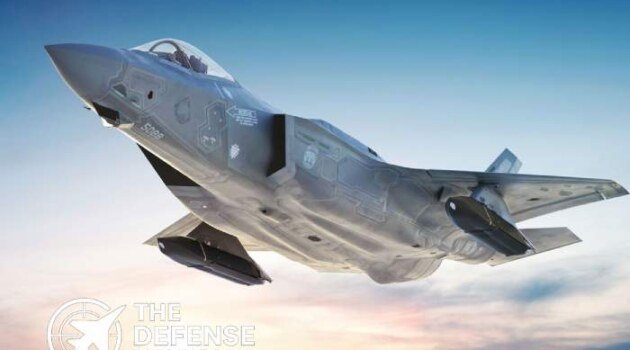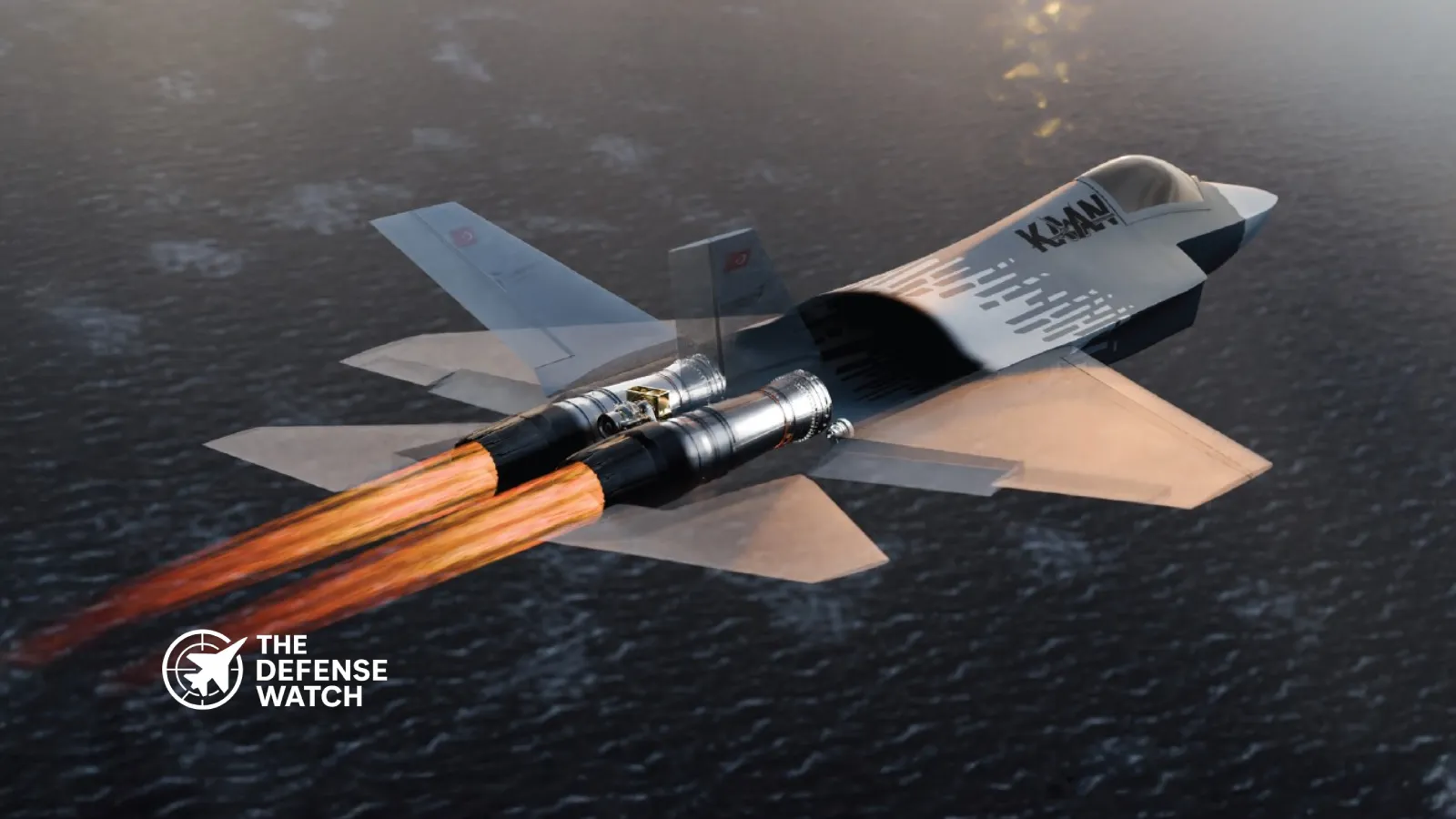
KAAN Fighter Jet Awaits US Approval For F110 Engines
The KAAN fighter jet program is nearing a key milestone as Türkiye expects the United States to approve exports of the F110 GE 129E turbofan engine for early production aircraft.
According to Turkish Aerospace Industries, approval for the U.S.-made engines could come in February or March 2026. The engines will power the first serial production batches of the KAAN Block 10 and Block 20 aircraft.
TUSAŞ General Manager Mehmet Demiroğlu said the company does not anticipate delays in the engine approval process, citing ongoing coordination between U.S. and Turkish officials.
Ten Engines Already In Hand
Demiroğlu confirmed that TUSAŞ already holds ten F110 engines. These are sufficient for prototype aircraft currently in development.
He stated that the company has faced no issues in the development phase related to propulsion. The existing engines support flight testing and system integration as the KAAN fighter jet moves through its early operational evaluation cycle.
The F110 GE 129E engine is produced by GE Aerospace and is widely used in advanced fourth generation fighters, including variants of the F 16. The engine provides high thrust output suitable for twin engine configurations such as KAAN.
Final Approval Stage Underway
TUSAŞ is now in what Demiroğlu described as the final stage of U.S. export approval. The authorization would allow the F110 engines to be installed in the first batch of KAAN Block 10 and Block 20 aircraft intended for operational service.
Based on discussions with both governments, TUSAŞ expects no disruption in deliveries. Approval could be issued within weeks.
The export decision follows established U.S. defense trade procedures. Such transfers require clearance under U.S. export control regulations and coordination between industry and government authorities.
First Delivery Set For 2029
The first KAAN fighter jet delivery to the Turkish Air Force is scheduled for early 2029.
Block 10 and Block 20 aircraft will rely on the F110 engine as an interim propulsion solution. These early blocks are expected to focus on core air dominance capabilities while additional systems mature.
The KAAN program represents Türkiye’s effort to field a domestically developed fifth generation fighter aircraft. The platform is designed to incorporate stealth shaping, advanced sensors, network centric warfare features, and internal weapons carriage.
The aircraft conducted its maiden flight in 2024, marking a significant milestone in Türkiye’s military aviation ambitions.
Transition To A National Engine By 2033
While early production models will use U.S. engines, TUSAŞ plans to equip the KAAN Block 30 aircraft with an indigenous powerplant.
Demiroğlu said the first test of the national engine is targeted for 2032, with final delivery planned for 2033. This shift would reduce reliance on foreign propulsion systems and strengthen domestic aerospace capabilities.
Engine development is a complex and resource intensive effort. It involves advanced materials, turbine blade technology, and high temperature performance engineering. Few nations maintain the industrial base required for fifth generation fighter engines.
Türkiye has been investing heavily in defense industrial self sufficiency over the past decade, particularly in aerospace, unmanned systems, and missile technology.
Strategic Context
The KAAN fighter jet plays a central role in Türkiye’s long term air power strategy. The program gained additional urgency aFter Ankara’s removal from the F 35 program in 2019.
Since then, Turkish defense planners have emphasized indigenous development across air, naval, and land systems.
The F110 export approval would signal continued defense industrial cooperation between Washington and Ankara, despite periodic political tensions.
The engine decision also carries operational significance. Without timely approval, serial production timelines could face adjustments. However, TUSAŞ leadership has publicly stated that current indicators point toward a smooth authorization process.
Program Outlook
With prototypes flying and engine supplies secured for testing, the KAAN fighter jet remains on track for initial operational delivery at the end of the decade.
Upcoming milestones include expanded flight testing, avionics integration, weapons certification, and low rate initial production planning.
As the program advances, propulsion remains a key focus area. The transition from the F110 engine to a domestically produced alternative will mark a critical phase in Türkiye’s effort to field a fully sovereign fifth generation combat aircraft.
For now, industry officials appear confident that U.S. approval for the F110 GE 129E engines will arrive within the expected timeframe.
Get real time update about this post category directly on your device, subscribe now.