

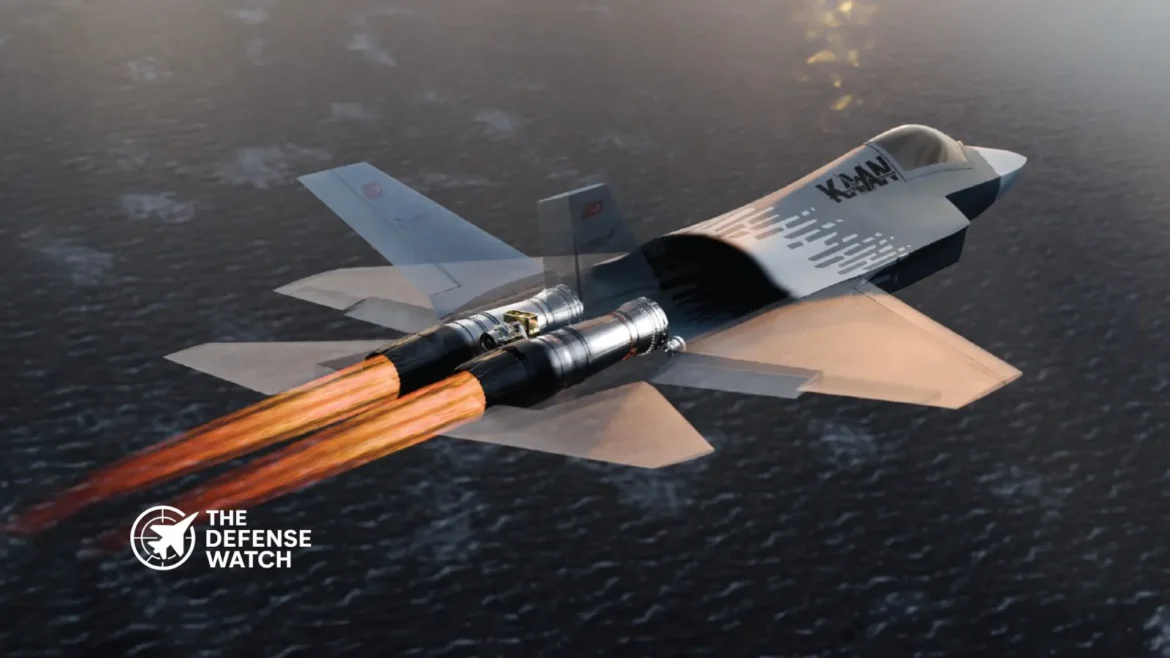
KAAN Fighter Jet Awaits US Approval For F110 Engines
The KAAN fighter jet program is nearing a key milestone as Türkiye expects the United States to approve exports of the F110 GE 129E turbofan engine for early production aircraft.
According to Turkish Aerospace Industries, approval for the U.S.-made engines could come in February or March 2026. The engines will power the first serial production batches of the KAAN Block 10 and Block 20 aircraft.
(adsbygoogle = window.adsbygoogle || []).push({});TUSAŞ General Manager Mehmet Demiroğlu said the company does not anticipate delays in the engine approval process, citing ongoing coordination between U.S. and Turkish officials.
Ten Engines Already In Hand
Demiroğlu confirmed that TUSAŞ already holds ten F110 engines. These are sufficient for prototype aircraft currently in development.
He stated that the company has faced no issues in the development phase related to propulsion. The existing engines support flight testing and system integration as the KAAN fighter jet moves through its early operational evaluation cycle.
The F110 GE 129E engine is produced by GE Aerospace and is widely used in advanced fourth generation fighters, including variants of the F 16. The engine provides high thrust output suitable for twin engine configurations such as KAAN.
Final Approval Stage Underway
TUSAŞ is now in what Demiroğlu described as the final stage of U.S. export approval. The authorization would allow the F110 engines to be installed in the first batch of KAAN Block 10 and Block 20 aircraft intended for operational service.
Based on discussions with both governments, TUSAŞ expects no disruption in deliveries. Approval could be issued within weeks.
(adsbygoogle = window.adsbygoogle || []).push({});The export decision follows established U.S. defense trade procedures. Such transfers require clearance under U.S. export control regulations and coordination between industry and government authorities.
First Delivery Set For 2029
The first KAAN fighter jet delivery to the Turkish Air Force is scheduled for early 2029.
Block 10 and Block 20 aircraft will rely on the F110 engine as an interim propulsion solution. These early blocks are expected to focus on core air dominance capabilities while additional systems mature.
The KAAN program represents Türkiye’s effort to field a domestically developed fifth generation fighter aircraft. The platform is designed to incorporate stealth shaping, advanced sensors, network centric warfare features, and internal weapons carriage.
The aircraft conducted its maiden flight in 2024, marking a significant milestone in Türkiye’s military aviation ambitions.
Transition To A National Engine By 2033
While early production models will use U.S. engines, TUSAŞ plans to equip the KAAN Block 30 aircraft with an indigenous powerplant.
Demiroğlu said the first test of the national engine is targeted for 2032, with final delivery planned for 2033. This shift would reduce reliance on foreign propulsion systems and strengthen domestic aerospace capabilities.
Engine development is a complex and resource intensive effort. It involves advanced materials, turbine blade technology, and high temperature performance engineering. Few nations maintain the industrial base required for fifth generation fighter engines.
(adsbygoogle = window.adsbygoogle || []).push({});Türkiye has been investing heavily in defense industrial self sufficiency over the past decade, particularly in aerospace, unmanned systems, and missile technology.
Strategic Context
The KAAN fighter jet plays a central role in Türkiye’s long term air power strategy. The program gained additional urgency aFter Ankara’s removal from the F 35 program in 2019.
Since then, Turkish defense planners have emphasized indigenous development across air, naval, and land systems.
The F110 export approval would signal continued defense industrial cooperation between Washington and Ankara, despite periodic political tensions.
The engine decision also carries operational significance. Without timely approval, serial production timelines could face adjustments. However, TUSAŞ leadership has publicly stated that current indicators point toward a smooth authorization process.
(adsbygoogle = window.adsbygoogle || []).push({});Program Outlook
With prototypes flying and engine supplies secured for testing, the KAAN fighter jet remains on track for initial operational delivery at the end of the decade.
Upcoming milestones include expanded flight testing, avionics integration, weapons certification, and low rate initial production planning.
As the program advances, propulsion remains a key focus area. The transition from the F110 engine to a domestically produced alternative will mark a critical phase in Türkiye’s effort to field a fully sovereign fifth generation combat aircraft.
For now, industry officials appear confident that U.S. approval for the F110 GE 129E engines will arrive within the expected timeframe.

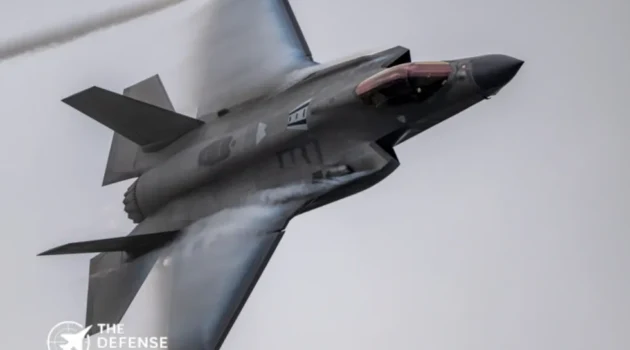

The F110-GE-129E engine is shaping the next wave of fighter propulsion for U.S. and allied air forces. This variant of the F110 series delivers more thrust and improved durability for combat aircraft such as the F-16. In this article we explain what the F110-GE-129E engine is, how it differs from earlier models, where it is used or planned to be used, and what it means for military aviation.
The term F110-GE-129E engine refers to an upgraded version of the General Electric F110 family of afterburning turbofan engines. These engines are key powerplants for multi role fighters and have a long service history with the U.S. Air Force and partner nations.
(adsbygoogle = window.adsbygoogle || []).push({});What Is the F110-GE-129E Engine
The F110-GE-129E engine is a development of the F110-GE-129 model. The base F110-GE-129 powers many F-16 Block 40 and later aircraft in U.S. and allied fleets. This upgraded version adds refinements to internal components and control systems. The goal is to provide higher thrust, better reliability, and easier maintenance.

The standard F110-GE-129 produces about 29,500 pounds of thrust with afterburner. The “E” improvements focus on temperature handling, fan design, and electronic controls. These changes yield a small but important jump in performance and life cycle value.
Upgrades typically aim at three areas:
- Higher thrust output, which improves acceleration and payload.
- Extended time between overhauls, which lowers cost and increases availability.
- Better digital engine control for smoother operation and diagnostics.
General Electric Aviation, the maker of the F110 family, has not publicly detailed all the F110-GE-129E changes. However defense industry sources say improvements are based on lessons learned from years of field use.
Where the Engine Is Deployed or Planned
U.S. Air Force
The U.S. Air Force fields F110 engines on many of its F-16C/D fighters. Recent service life extension programs and engine buys have leaned into the -129 and now the -129E variant. The latter is part of ensuring U.S. fighter units maintain high sortie rates while aging airframes remain in service.

The F110-GE-129E engine is seen as a stopgap pending next generation fighter engines for future aircraft like the NGAD fighter. It keeps legacy fighters viable in contested air spaces.
Partner Air Forces
Several U.S. allies also use F110 engines on their fighters. Countries that operate F-16s or similar aircraft may qualify for the E variant through Foreign Military Sales (FMS) channels. Engine commonality helps streamline logistics for joint operations.
(adsbygoogle = window.adsbygoogle || []).push({});Nations such as Bahrain, Egypt, Poland, Romania, and Singapore have F-16 fleets powered by F110 engines. Some export orders now include updated engine options that align with the F110-GE-129E.
Technical Details and Performance
The F110-GE-129E engine is an afterburning turbofan. It has a high pressure ratio core and a variable bypass fan. Afterburners inject fuel into the exhaust stream to raise thrust for combat or rapid climb needs.
Compared with the earlier F110-GE-100 model, the -129 family delivers more thrust at similar weight and fuel burn. The -129E version pushes that further with improved materials and cooling.
The Electronic Engine Control (EEC) unit on the F110-GE-129E offers better monitoring and fault reporting. This helps maintenance crews spot issues before they lead to failures. The digital system also refines engine response, which can improve fuel efficiency in some flight regimes.
Engine life is measured in cycles and hours. The improvements in the -129E aim to extend both. Longer life means fewer overhauls, lower cost per flight hour, and higher aircraft readiness.
Industrial and Supply Chain Context
General Electric Aviation makes the F110 family in the United States. The U.S. defense industrial base relies on these engines for current fighter operations. The production line supports both new engines and spare parts for in service units.
Global supply chain issues in aerospace have pressured manufacturers to focus on resilience. GE has been working with suppliers to lock in parts and tooling for key engine sections. This matters because interruptions can slow deliveries to operators.
(adsbygoogle = window.adsbygoogle || []).push({});Parts commonality across variants also helps. The F110-GE-129E shares many parts with earlier F110 models. This reduces the number of unique items operators must keep on hand. At the same time, the E variant brings newer parts that must be stocked or sourced.
The U.S. government may fund sustainment and upgrades through defense budgets and specific line items for engines. This money supports modernization and readiness. Contract awards and extensions for F110 engines are tracked by industry watchers as indicators of fleet health.
Strategic Value for Air Forces
The F110-GE-129E engine gives fighters improved performance in high demand operations. More thrust can mean quicker climb, better acceleration, and higher payload capacity. For air forces that operate in wide theaters or contested air spaces, every bit of thrust helps.
Higher sortie rates depend on engine reliability. The enhanced durability of the -129E variant can reduce ground time and maintenance cycles. That translates to more aircraft available for missions.
Engine performance also affects tactics. For example, higher thrust can improve low altitude acceleration or recovery from maneuvering. Pilots can exploit that edge in air combat or ground attack profiles.
(adsbygoogle = window.adsbygoogle || []).push({});From a logistic standpoint, newer engines can reduce life cycle costs. Fewer unplanned repairs and longer time between scheduled overhauls save money. That is critical for air forces facing tight budgets.
Analysis
The F110-GE-129E engine represents an incremental but meaningful step for fighter propulsion. It is not a radical redesign but a focused upgrade that improves core performance and supportability.
For the U.S. Air Force and its partners, this engine helps bridge the gap while next generation propulsion systems are still years away. It keeps current fighters competitive and reliable.
It also highlights how defense manufacturers are extending the life of mature platforms. Rather than phasing out large fleets of F-16s or similar aircraft quickly, air forces can keep them flying with better engines. This approach balances capability needs with budget realities.
The engine upgrades also fit into broader trends in military aviation. Older airframes are being modernized with new avionics, weapons, and sensors. Upgraded engines are part of that full system refresh. They allow older jets to handle modern equipment and tougher mission sets.
Finally, the F110-GE-129E engine underlines the importance of supply and sustainment. Powerplants are complex and costly. Ensuring a healthy production line and parts pipeline is as critical as the aircraft they go into.
FAQs
Primarily F-16 fighters in U.S. and allied service are candidates for this engine. Some export customers may choose it through FMS programs.
The E variant has improved materials, control systems and cooling. These changes raise thrust and extend service life compared with the base 129 model.
Yes, new production F-16s can be delivered with the F110-GE-129E engine depending on customer choice.
In many cases operators can retrofit earlier F110 engines with updated components to approach E variant performance.
The base F110-GE-129 produces about 29,500 pounds of thrust with afterburner. The E variant increases that figure moderately while improving durability.