
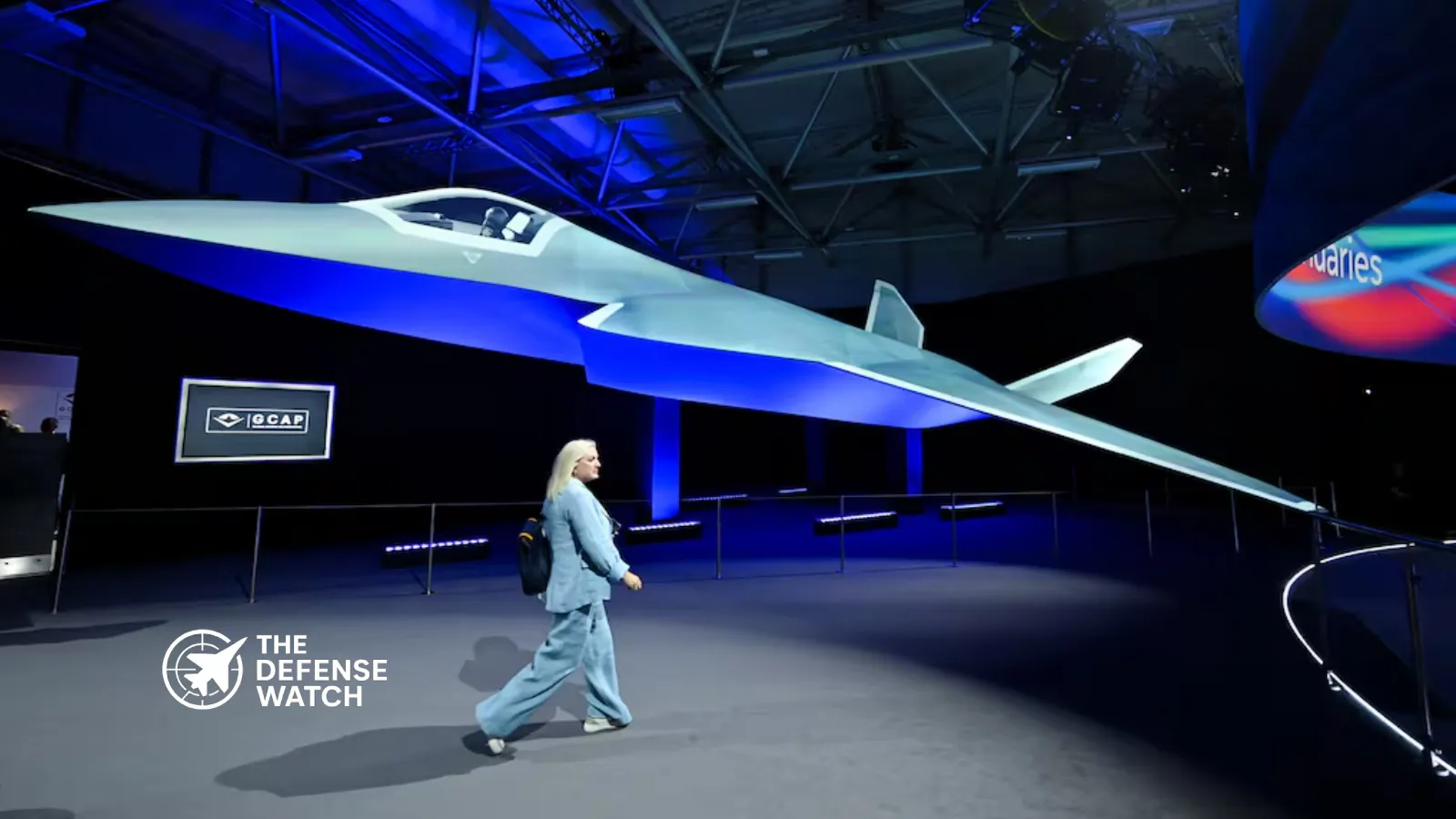
Italy Criticizes UK Secrecy on GCAP Fighter Jet
Italy’s defense minister said the United Kingdom is not sharing advanced technology with partners in the Global Combat Air Programme fighter jet project, raising questions about cooperation within the trilateral effort. The comments center on the development of a sixth generation combat aircraft intended to enter service by 2035.
Italian Defense Minister Guido Crosetto told Defense News that UK reluctance to share certain technologies with Italy and Japan is “madness,” warning that keeping advanced systems under wraps could favour potential adversaries.
Crosetto repeated earlier remarks that Britain has been more reluctant than Italy and Japan to open its tech to partners. He said Italy has pushed its industry to share technologies and expects others to follow.
What is GCAP
The Global Combat Air Programme (GCAP) is a joint UK, Italy, and Japan initiative to design and build a sixth generation combat aircraft system. The programme merges the UK’s Tempest and Japan’s F-X efforts into a unified effort aimed at replacing existing fighter fleets like the Eurofighter Typhoon and Mitsubishi F-2 by the mid-2030s.
Governments and industry have formalized cooperation through a joint government organisation and industrial consortium. The GCAP venture is structured to share work and costs roughly equally among the three nations, with key firms such as BAE Systems, Leonardo, and Mitsubishi Heavy Industries leading development work.
Italy’s Cost and Partnership Comments
Crosetto’s remarks come as Italy’s projected cost for its share of GCAP development has risen sharply. Italy told parliament the country’s portion of design and development spending has grown from around €6 billion to roughly €18.6 billion, drawing scrutiny from Italian political parties.
Despite tension over technology sharing, Italian and Japanese leaders have publicly expressed satisfaction with GCAP’s overall progress. The partners aim to keep the programme on track for the 2035 target.
Industrial and Strategic Stakes
GCAP represents a major shift toward international cooperation on advanced combat aircraft, with a focus on networked systems, sensors, and unmanned teaming. Industry sources note formal agreements are in place to coordinate key subsystems, while partner nations continue to align technical and business arrangements.
U K government records show continued support for cooperation with Italy and Japan across military technology domains, including GCAP, as part of broader defense collaboration frameworks.
What Happens Next
Differences over technology sharing highlight the challenges of balancing national interests with partnership goals in large defense projects. For GCAP to proceed smoothly, partners will need to manage technical integration, intellectual property arrangements, and cost allocations while keeping the programme targeted for 2035 delivery.
Get real time update about this post category directly on your device, subscribe now.

