- ► RAF F-35B Lightnings shot down uncrewed aerial systems over Jordanian airspace.
- ► The intercept marked the first operational kill for a British F-35 aircraft.
- ► The aircraft were operating in defense of Jordan.
- ► The UK Ministry of Defence confirmed the engagement.
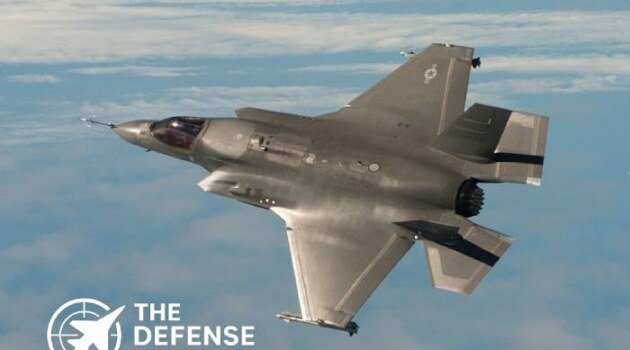
- ► The F-35B Lightning II is the short takeoff and vertical landing variant used by the RAF and Royal Navy.
RAF F-35B Records First Operational Kill
The British F-35B operational kill was confirmed after Royal Air Force Lightnings shot down uncrewed aerial systems while operating over Jordanian airspace in defense of the country.
According to the UK Ministry of Defence, the engagement marked the first time a British-operated F-35 has destroyed a target during live operations.
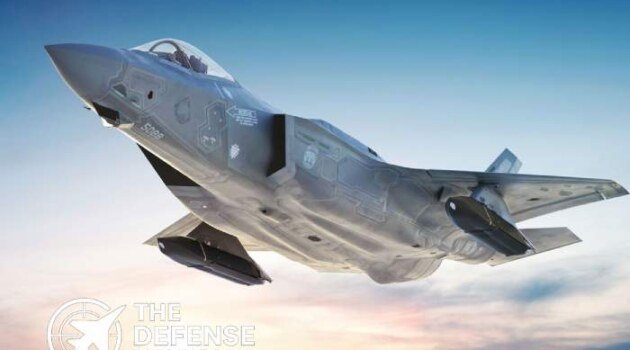
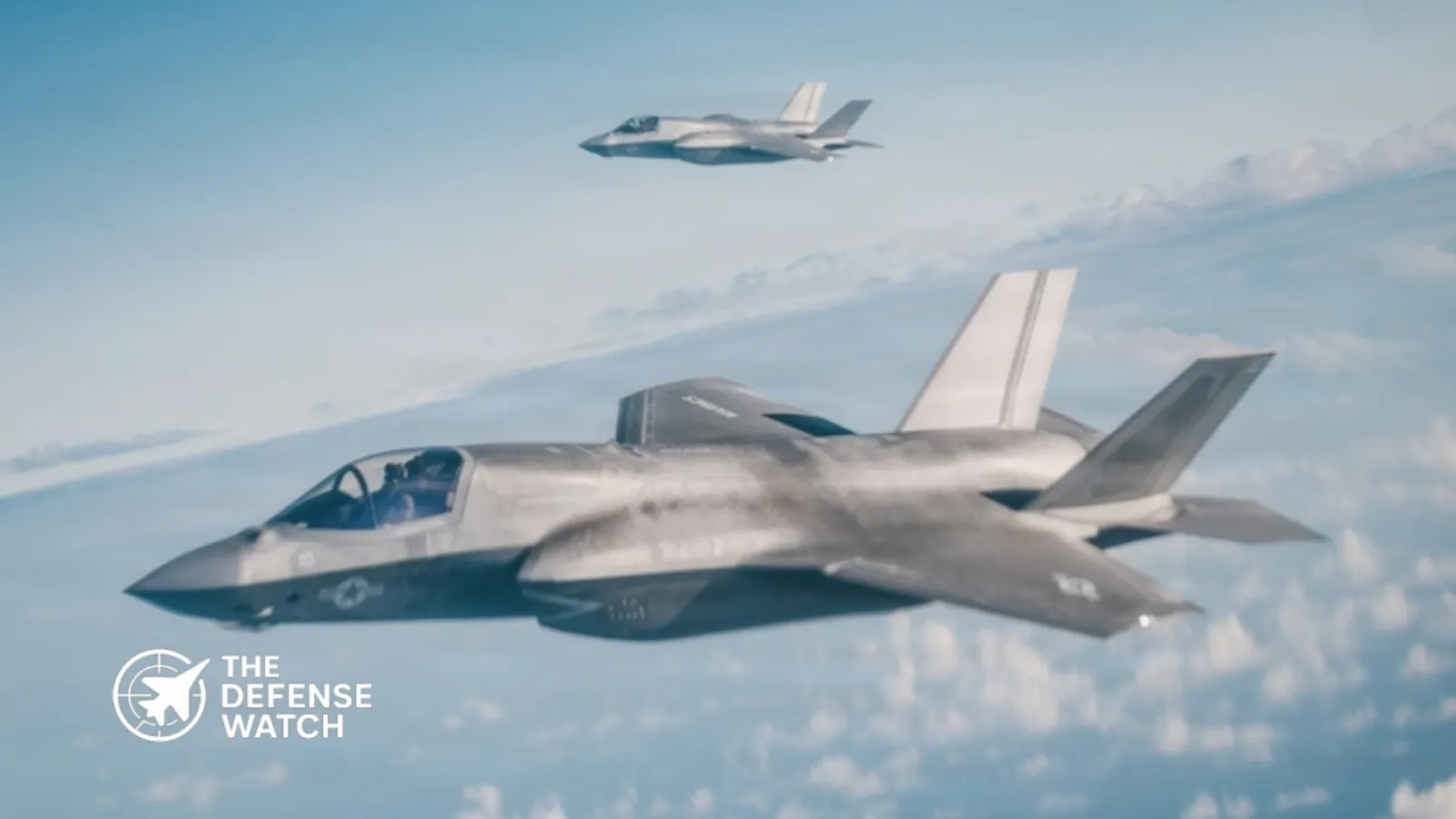
The aircraft involved were F-35B Lightning II jets assigned to the Royal Air Force. The F-35B is the short takeoff and vertical landing variant of the Joint Strike Fighter family, operated by both the RAF and the Royal Navy’s Fleet Air Arm.
The intercept took place over Jordanian territory, where UK aircraft were deployed as part of ongoing regional security operations.
Operational Context
The United Kingdom maintains a sustained military presence in the Middle East, including air assets based in Jordan and other regional locations. RAF fast jets have previously conducted counter-ISIS missions and regional deterrence patrols from Jordanian bases.
While officials did not disclose the specific type of uncrewed aerial system engaged, the use of drones by state and non-state actors across the Middle East has sharply increased in recent years. Low-cost one-way attack drones and reconnaissance platforms are now common in regional conflicts.
The British F-35B operational kill demonstrates that fifth generation aircraft are now actively contributing to counter-drone defense missions, not solely high end air superiority or strike roles.
Significance For The RAF
This event marks a milestone for the UK’s F-35 program. The United Kingdom is the only Tier 1 partner in the multinational F-35 program and operates the STOVL F-35B variant from both land bases and the aircraft carriers HMS Queen Elizabeth and HMS Prince of Wales.
Although US and Israeli F-35s have reportedly conducted combat operations in recent years, this is the first confirmed operational kill by a British F-35.
From a capability perspective, the engagement underscores the F-35B’s role as a multi-mission platform. Equipped with advanced sensors, data fusion, and beyond-visual-range weapons, the aircraft can detect and engage aerial threats with limited external cueing.
The use of a high end stealth fighter against uncrewed systems also reflects a broader shift in air warfare. Drones have become persistent threats, often launched in swarms or used to test air defenses. Western air forces increasingly rely on layered defense systems, combining ground-based air defense, electronic warfare, and combat air patrols.
Counter-Drone Implications
The British F-35B operational kill also highlights a cost and force management challenge. Shooting down relatively low-cost drones with advanced fighters raises questions about sustainability in prolonged conflicts.
However, in environments where speed, reach, and rapid decision making are required, fifth generation aircraft provide immediate response capability. The F-35’s sensor suite allows pilots to identify and classify airborne objects at extended ranges, reducing ambiguity in congested airspace.
Jordan sits at a strategic crossroads near Iraq, Syria, and Israel, regions where drone activity has become routine. Defensive patrols over Jordan reflect a precautionary posture amid broader regional instability.
Strategic Message
Beyond the tactical intercept, the event carries signaling value. The UK’s ability to deploy F-35Bs to the region and conduct live engagements reinforces its role as a security partner in the Middle East.
It also confirms that British F-35Bs have now transitioned fully from training and deterrence roles into active combat operations.
For London, the milestone supports long term investment in fifth generation airpower and validates the operational readiness of its Lightning force.
As drone proliferation continues across regional theaters, the integration of stealth fighters into counter-UAS missions will likely expand. The British F-35B operational kill may be the first of its kind for the RAF, but it is unlikely to be the last.
Get real time update about this post category directly on your device, subscribe now.