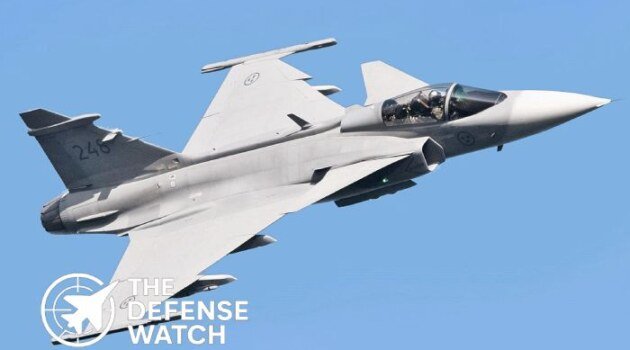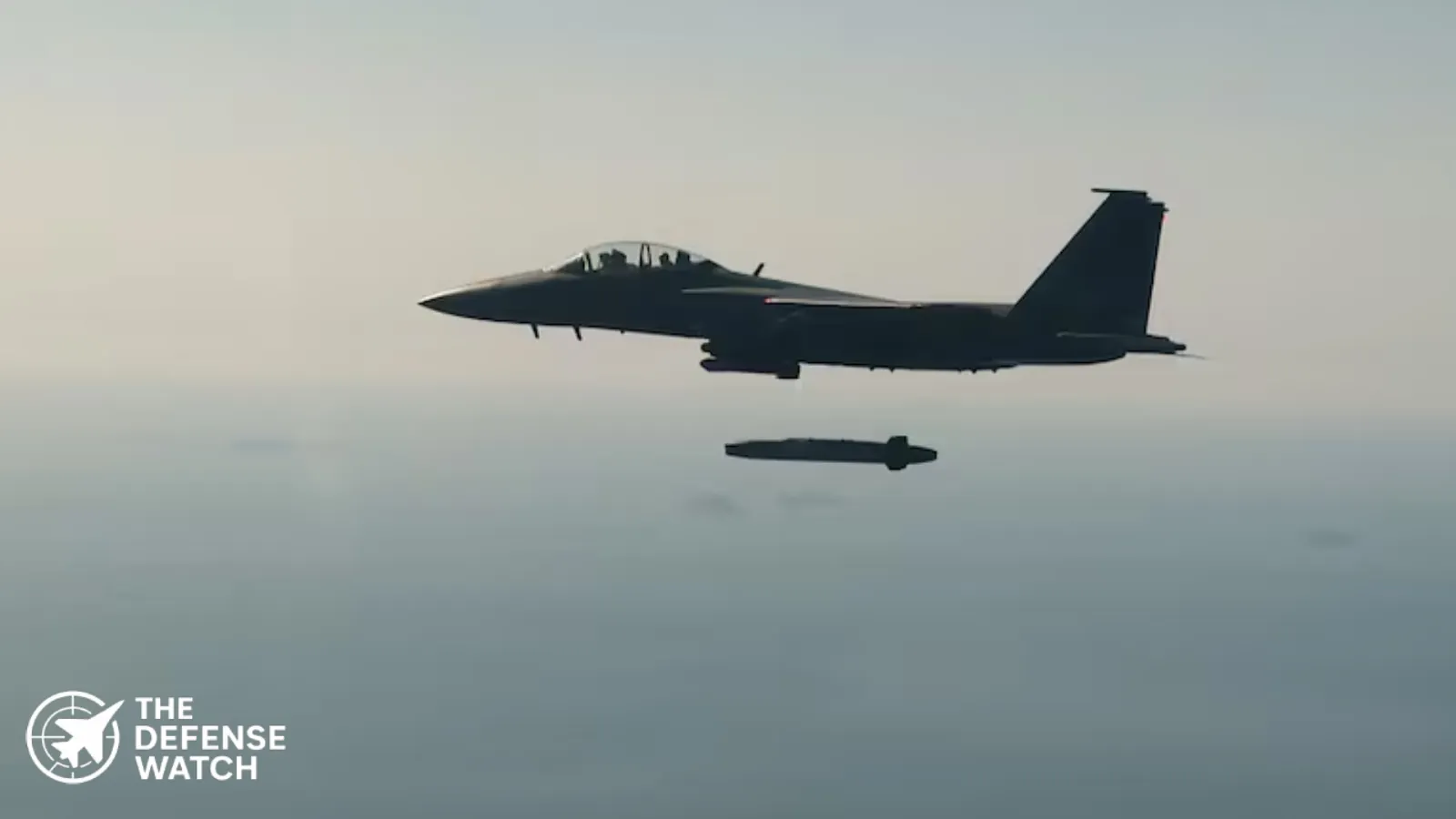
Sweden is accelerating the integration of the German-made Taurus KEPD-350 cruise missile onto its JAS39 Gripen fighter jets. Initially planned for 2028, the air force now expects operational capability much earlier. The Taurus missile carries a 481-kilogram warhead and can target hardened or deeply buried installations at ranges exceeding 500 kilometers.
How It Works
The Taurus missile is an air-launched, long-range cruise missile developed by Taurus Systems GmbH, a joint German-Swedish venture between MBDA Deutschland and Saab. Gripen E jets will carry the missile, supported by upgraded avionics that separate combat software from flight-safety systems. This allows rapid software and hardware upgrades to enhance mission capability without grounding the aircraft for long periods.
Why It Matters
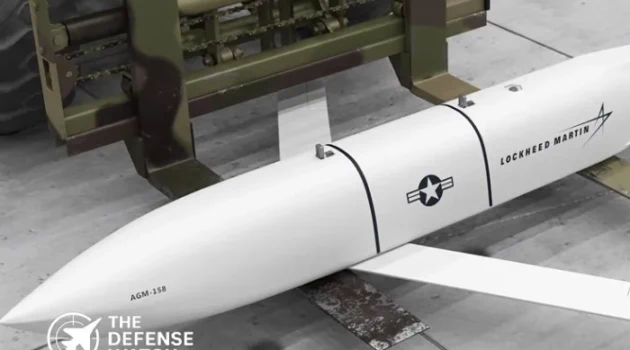
For Sweden, this is a major shift from defensive air operations to a credible deep-strike capability. Previously, the Swedish Air Force focused on territorial defense. Now, it can potentially strike strategic targets well behind enemy lines. Comparable capabilities exist in the U.S. with the AGM-158 JASSM or Germany’s Tornado IDS with Taurus, but this move gives Sweden autonomous long-range precision strike options without relying on allied platforms.
Strategic Context
The accelerated integration reflects broader European and global security competition. As Russia and other regional powers expand long-range strike capabilities, Sweden is ensuring its deterrence posture is credible. Early operational capability also allows Sweden to influence NATO exercises, doctrine, and interoperability with partners, while retaining national control over sensitive strike assets.
Outlook
The move signals that Sweden is prioritizing flexible, rapid modernization for its air force. The combination of the Gripen E and Taurus missile positions the country as a capable actor in European strategic defense, capable of contributing to regional stability and responding to emerging threats independently or alongside NATO allies.