

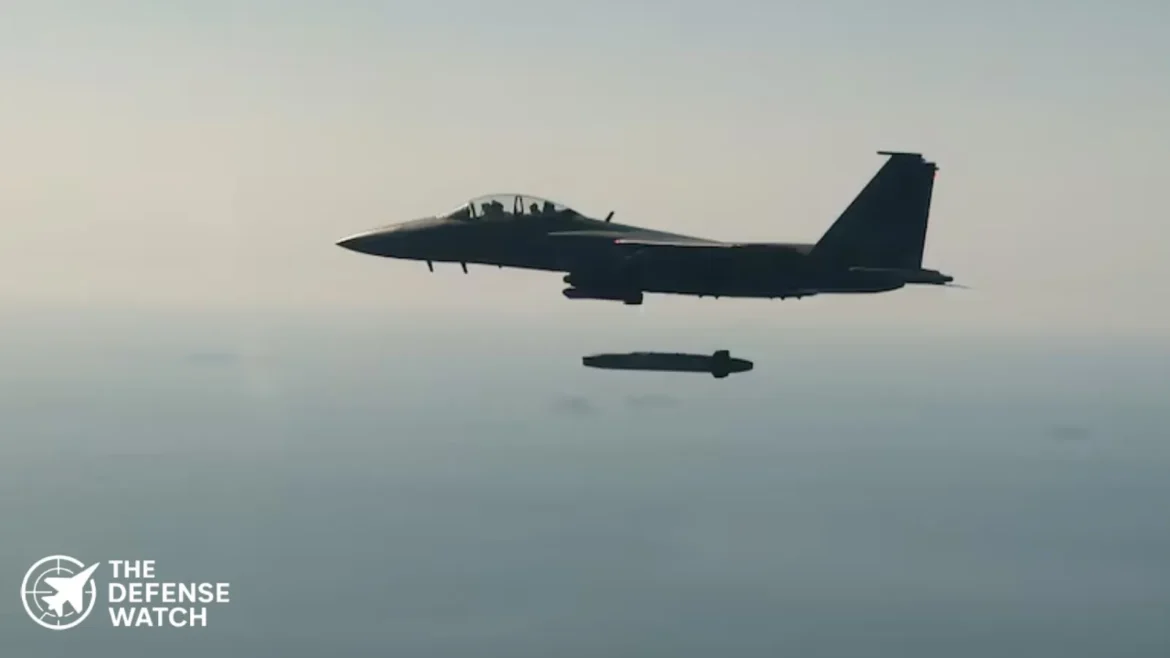
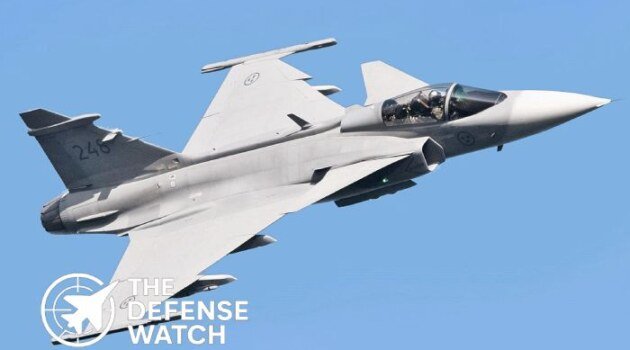
Sweden is accelerating the integration of the German-made Taurus KEPD-350 cruise missile onto its JAS39 Gripen fighter jets. Initially planned for 2028, the air force now expects operational capability much earlier. The Taurus missile carries a 481-kilogram warhead and can target hardened or deeply buried installations at ranges exceeding 500 kilometers.
How It Works
The Taurus missile is an air-launched, long-range cruise missile developed by Taurus Systems GmbH, a joint German-Swedish venture between MBDA Deutschland and Saab. Gripen E jets will carry the missile, supported by upgraded avionics that separate combat software from flight-safety systems. This allows rapid software and hardware upgrades to enhance mission capability without grounding the aircraft for long periods.
Why It Matters
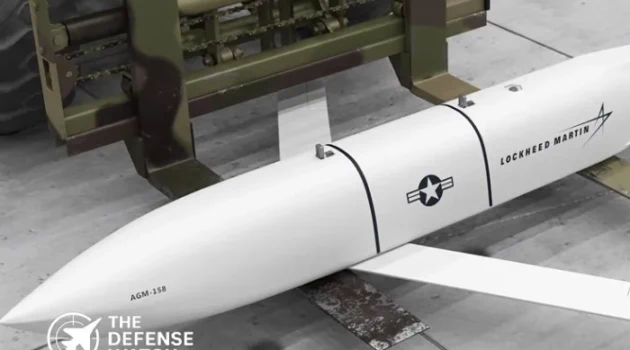
For Sweden, this is a major shift from defensive air operations to a credible deep-strike capability. Previously, the Swedish Air Force focused on territorial defense. Now, it can potentially strike strategic targets well behind enemy lines. Comparable capabilities exist in the U.S. with the AGM-158 JASSM or Germany’s Tornado IDS with Taurus, but this move gives Sweden autonomous long-range precision strike options without relying on allied platforms.
Strategic Context
The accelerated integration reflects broader European and global security competition. As Russia and other regional powers expand long-range strike capabilities, Sweden is ensuring its deterrence posture is credible. Early operational capability also allows Sweden to influence NATO exercises, doctrine, and interoperability with partners, while retaining national control over sensitive strike assets.
Outlook
The move signals that Sweden is prioritizing flexible, rapid modernization for its air force. The combination of the Gripen E and Taurus missile positions the country as a capable actor in European strategic defense, capable of contributing to regional stability and responding to emerging threats independently or alongside NATO allies.

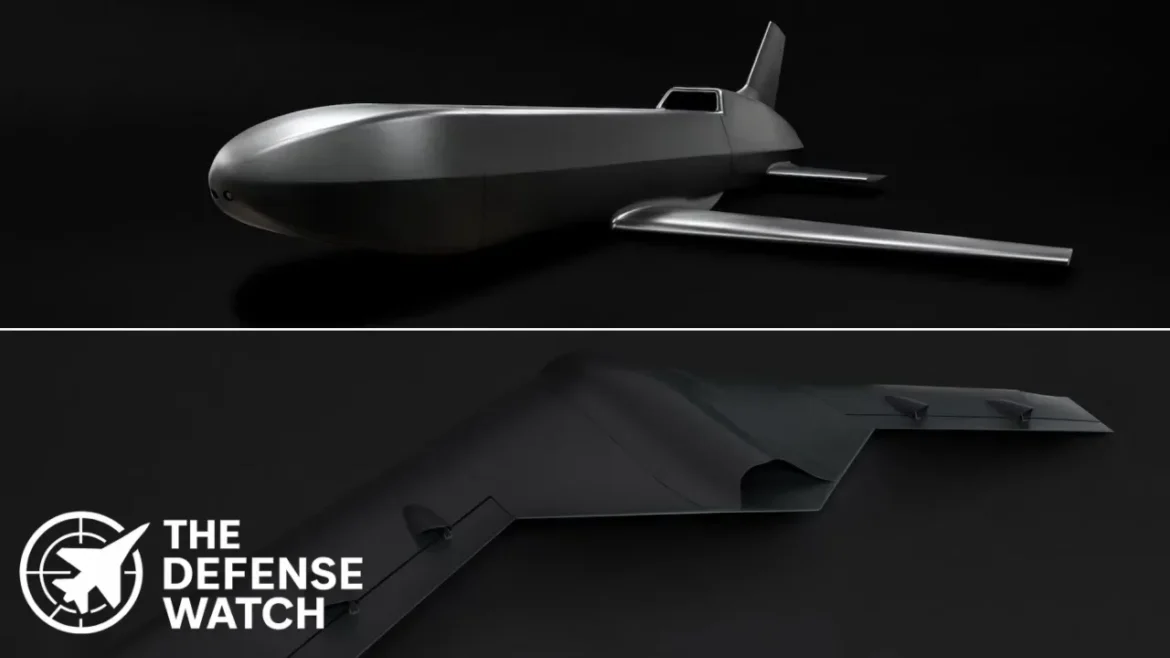
In a significant defense development, Czech company LPP s.r.o. unveiled two advanced deep-strike systems—the MTS Narwhal cruise missile and the MTS Nightray stealth drone—at the 2025 Dubai Airshow, marking a major step in the Czech Republic’s long-range precision strike capabilities.
Background
LPP is a Czech defense firm known for unmanned systems and modular land systems. Its UAS division has previously developed the MTS family of one-way attack drones, which integrate LPP’s proprietary visual navigation suite to operate even in GPS-jammed environments.
As modern warfare evolves, the ability to project force deep into contested airspace has become a critical capability. Many European nations have traditionally depended on imported technologies for long-range strike. The introduction of indigenous systems like Narwhal and Nightray signals Czech ambitions to strengthen sovereign precision-strike assets.
Key Details
MTS Narwhal Cruise Missile
- Role & Range: Subsonic cruise missile designed for deep-strike missions. LPP claims an operational range of approximately 680 km.
- Warhead & Propulsion: Carries a ~120 kg warhead and is powered by a turbojet engine.
- Flight Profile: Operates at low altitude to reduce detection, with a stated maximum speed of ~750 km/h.
- Design & Launch Options: The missile is about 4 meters long, with a wingspan of 2.6 m and maximum take-off weight around 260 kg.
- Versatile Deployment: Can be launched from ground catapults, conventional runways, or improvised road-based reusable trolley systems—enhancing operational flexibility.
MTS Nightray Stealth Drone
- Role & Range: One-way attack unmanned aerial system (OWA-UAS) with a declared range of around 400 km.
- Design: Features a flying-wing airframe for low-observable signatures, a buried turbojet that minimizes infrared and radar signature, and radar-deflecting coatings developed in-house.
- Dimensions & Payload: Measures about 1.77 m in length with a 4 m wingspan. It carries a 30 kg warhead.
- Launch Methods: Shares the same catapult and trolley launch infrastructure as the Narwhal.
Navigation & Autonomy
- Visual Navigation Suite: Both systems use LPP’s visual navigation technology, which fuses optical sensors and inertial measurements to guide in GNSS-denied airspace.
- Autonomous Flight: The autopilot supports full autonomy; this facilitates deep-strike missions even with jamming or spoofing of satellite navigation.
- Data Link Option: For missions requiring human oversight or target updates, LPP offers a jamming-resistant radio data link enabling telemetry, situational awareness, and re-tasking.
Policy & Strategic Perspective
Industrial Implications
The development of Narwhal and Nightray by LPP showcases the growing capability of Europe’s mid-sized defense firms. Rather than relying on traditional large aerospace primes, the Czech Republic is cultivating a more self-sufficient defense technology base.
Strategic Relevance
From a strategic standpoint, these systems help fill a capability gap: long-range, precision strike in contested airspace. The visual navigation and autonomy reduce dependence on satellite navigation systems, which can be denied or jammed in high-intensity conflicts—a lesson underscored by recent warfare.
Defense & Security Analysis
Analysts note that as air defense systems improve and proliferate, peer and near-peer states are increasingly prioritizing long-range strike capabilities with low signature. According to integrated air-defense doctrine, loitering munitions and cruise missiles threaten defenders by compressing the decision window.
For the Czech military, these assets could support deterrence, covert strike, and even export potential.
What Comes Next
- Testing and Integration: LPP will likely proceed to flight testing and further trials to validate the performance of both systems in realistic operational scenarios.
- Potential Export: Given their modular design and flexible launch options, these systems may appeal to other nations that require deep-strike assets without reliance on major exporters.
- Doctrine Development: The Czech Armed Forces may adapt its doctrines to fully integrate Narwhal and Nightray into layered strike strategies, potentially pairing them with ISR assets for target acquisition and battle damage assessment.
Impact
The introduction of the Narwhal cruise missile and Nightray stealth drone represents a substantial leap forward for Czech defense technology. By fielding long-range, GPS-resilient, precision weapons, the Czech Republic not only enhances its own deterrence and strike capability but also strengthens its defense industrial base. These additions align with a broader European trend toward sovereign deep-strike tools, reducing dependence on external providers in an era of strategic competition.