

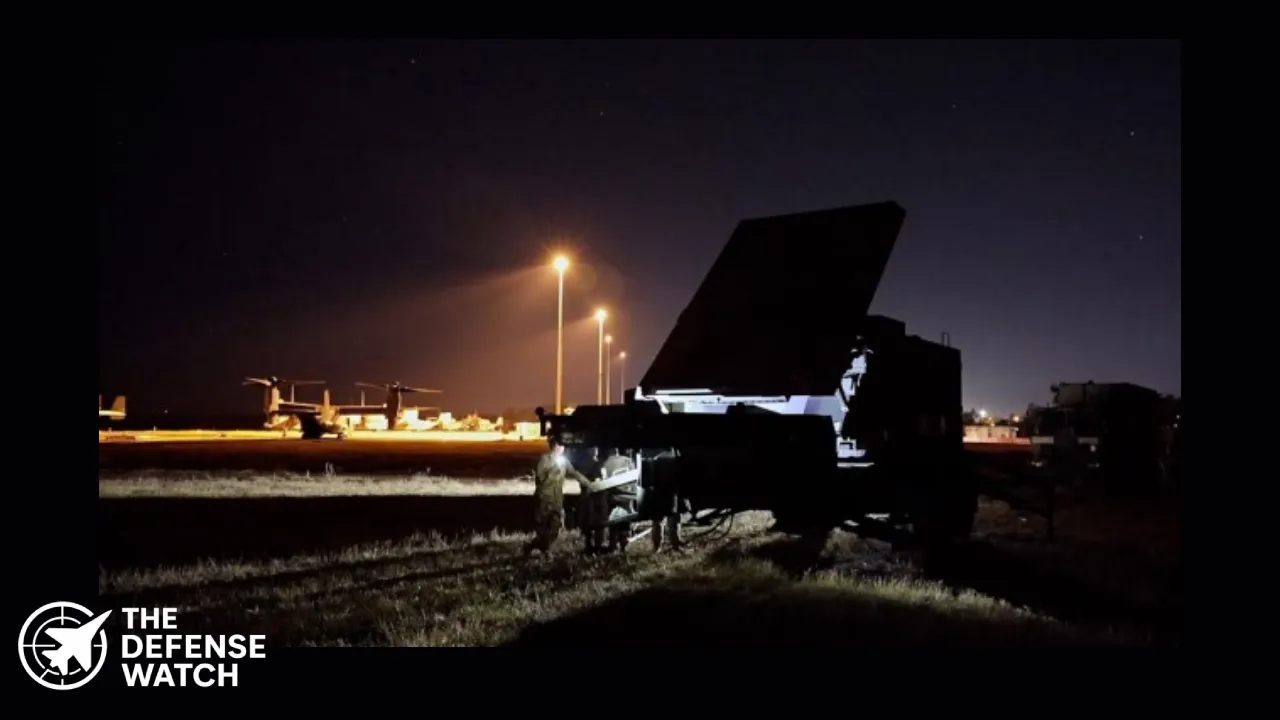
The U.S. Army has announced the selection of nine military bases to receive its next-generation Janus microreactors, a move aimed at enhancing mission-critical power during high-tempo operations. The decision, made in 2025, represents a significant step in the Army’s efforts to secure resilient and autonomous energy solutions for domestic and deployed forces.
Background: Microreactors in Military Operations
The Janus microreactor program is part of the Army’s broader modernization initiative to improve energy resilience and operational readiness. Microreactors are compact, transportable nuclear power systems capable of generating reliable electricity in environments where conventional power grids may be vulnerable or unavailable. They are designed to operate for years with minimal maintenance while supporting a variety of military missions.
Energy security has become increasingly critical for the U.S. military, particularly in high-tempo operations, where the failure of power infrastructure can compromise communications, weapon systems, and mission-critical logistics. Microreactors like Janus aim to provide a secure and stable source of electricity that is less reliant on traditional fuel supply lines, enhancing both survivability and operational flexibility.
Details of the Army’s Plan
The nine selected bases span multiple regions in the continental United States, providing a geographically distributed network for testing and deployment of the microreactors. Each installation will receive a Janus unit capable of supporting both training and contingency operations.
According to Army officials, the microreactors will undergo rigorous testing to ensure they meet strict safety and environmental standards. While specific locations and technical details remain classified, sources indicate that the Janus systems can generate up to several megawatts of electricity, enough to power a base independently for extended periods.
The Army’s Program Executive Office for Combat Support & Combat Service Support (PEO CS&CSS) emphasized that the initiative is part of a broader energy modernization strategy, aligning with efforts to reduce the military’s dependency on fossil fuels and enhance the survivability of critical installations during emergencies.
Expert and Policy Perspective
Energy experts note that microreactors provide a dual advantage: operational resilience and logistical efficiency. Dr. Emily Sanders, an energy security analyst, stated, “Deployable microreactors like Janus allow the Army to maintain operational capability in contested environments where traditional power infrastructure might fail. This is a game-changer for tactical energy security.”
Policy analysts also point to the strategic significance of domestic deployment, highlighting that integrating microreactors into U.S. bases enables the Army to test the technology safely before potential deployment to forward-operating locations abroad.
Closing: Future Implications
The deployment of Janus microreactors underscores the Army’s commitment to modernizing its energy infrastructure in line with 21st-century operational demands. With nine bases selected, the next phase will focus on installation, testing, and integration of these systems into daily operations. Successful implementation could pave the way for broader adoption across U.S. military installations and potentially in allied forces.
The Janus microreactor program represents a milestone in military energy resilience, offering a blueprint for the future of tactical power and operational independence.

5 comments
[…] to modernize Slovenia’s medium battalion battle group and medium combat reconnaissance battalion, enhancing operational mobility and survivability on the modern […]
[…] is designed to accept a wide range of optics, aiming devices, and other enablers, providing operators with a flexible base for varied tactical roles. Army […]
[…] a secure setting. Rear Adm. Todd Evans, NAWCAD commander, noted the training equips aviators with modern tactics essential for future […]
[…] highlighted the role of the C-130 platform in enhancing operational flexibility. The Hercules is widely used around the world for airlift, airdrop, humanitarian […]
[…] Air Force, often referred to domestically as the Steel Eagles of the Sky, and are intended to enhance the accuracy and operational flexibility of existing Mk 84 general purpose […]