Saab Future Fighter System Program Enters Another Development Phase
Saab has received a SEK 2.9 billion contract from Sweden’s Defence Materiel Administration, FMV, for continued work on a future fighter system, extending a technology-development effort that began with earlier contracts in 2024 and 2025. The new agreement covers 2026 through 2028 and includes options for 2029 and 2030.
- Saab Future Fighter System Program Enters Another Development Phase
- Takeaways
- What The SEK 2.9 Billion Contract Covers
- Sweden Is Keeping Multiple Fighter Options Open
- Unmanned Aircraft Are Becoming A Central Part Of The Concept
- Why Systems Integration Matters
- Signature Adaptation And Propulsion Are Also In Focus
- Demonstrators Will Help Reduce Technical Risk
- The Gripen Remains Sweden’s Current Combat Aircraft Foundation
- Strategic Context For Sweden
- What Happens Next
Takeaways
Sweden has awarded Saab a SEK 2.9 billion contract to continue developing technologies for future fighter systems, including manned and unmanned aircraft.
The program is not an announcement of a production aircraft or a decision to replace the Gripen with a specific new fighter. Instead, Saab and FMV are continuing technology development, demonstrations and advanced studies intended to give Sweden more options for its future air combat architecture.
The work covers both manned and unmanned systems, including flying and ground-based demonstrators. Saab said the program will also address systems integration, autonomy, signature adaptation, propulsion, digital development and future production capabilities.
What The SEK 2.9 Billion Contract Covers
The contract represents a technology-development and risk-reduction effort rather than a conventional aircraft procurement program.
| Area | Saab and FMV activity |
|---|---|
| Contract value | Approximately SEK 2.9 billion |
| Core period | 2026 to 2028 |
| Options | 2029 and 2030 |
| Aircraft concepts | Manned and unmanned |
| Demonstration work | Flying and ground-based demonstrators |
| Technology areas | Autonomy, propulsion, signatures, digital systems |
| Program objective | Reduce technical risk and preserve future options |
Saab said the objective is to develop and demonstrate technologies that could become important to future fighter systems. The company also highlighted the importance of maintaining Swedish expertise in integrating complex combat-air systems.
That distinction matters. The contract gives Sweden an opportunity to test technologies before committing to a specific future operational configuration.
Sweden Is Keeping Multiple Fighter Options Open
The structure of the program gives Sweden considerable flexibility.
Rather than committing immediately to a single future aircraft design, the work can examine different combinations of crewed aircraft, uncrewed platforms, sensors, propulsion technologies and digital systems.
This approach is consistent with Saab’s earlier future fighter work for FMV.
In March 2024, Saab received its initial future fighter concept studies contract. That effort covered manned and unmanned solutions from a system-of-systems perspective, along with technology development and demonstrations.
In October 2025, FMV awarded Saab another approximately SEK 2.6 billion contract for continued future fighter concept studies covering 2025 to 2027. Saab said that effort expanded the original 2024 contract and included technology development and demonstrators.
The latest SEK 2.9 billion order therefore represents another stage in an ongoing Swedish technology program rather than an isolated project.
Unmanned Aircraft Are Becoming A Central Part Of The Concept
One of the most important aspects of the Saab future fighter system program is its explicit inclusion of unmanned aircraft.
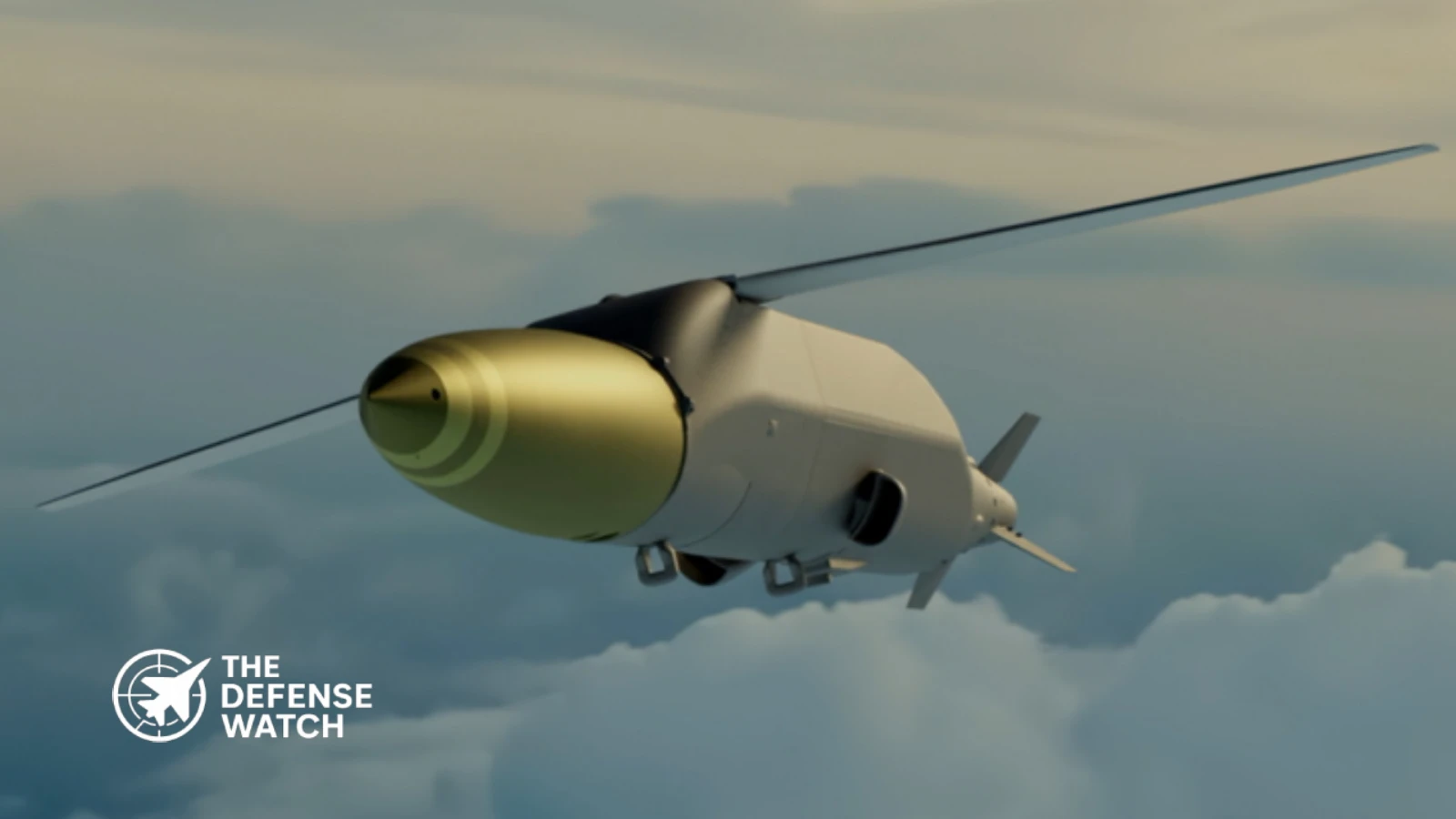
Saab recently displayed the A3-001, a full-scale concept for a future uncrewed combat air system, at the Swedish Armed Forces Air Show at Malmen Air Base in Linköping. Saab described the concept as a possible future component operating alongside crewed aircraft in an integrated system.
The company identified electronic warfare, suppression of enemy air defenses and precision strike as potential missions for such an uncrewed platform.
Saab also said it intends to fly uncrewed demonstrators with fighter-like characteristics before 2030 as part of Sweden’s evaluation of future combat-air options.
The A3-001 should not, however, be treated as the confirmed aircraft resulting from the new FMV contract. Saab describes it as its own concept for what could follow in the mid-2030s if Sweden decides to build on the technology work now underway.
That distinction is important because the current FMV agreement concerns broader future fighter technologies and concepts.
Why Systems Integration Matters
Future combat aircraft are increasingly being developed as parts of larger networks rather than as standalone platforms.
A fighter may need to exchange information with other aircraft, uncrewed systems, ground-based sensors, naval platforms and command networks. That places greater importance on the software, communications architecture and decision-making systems connecting the individual platforms.
Saab specifically identifies systems integration and autonomy as areas being strengthened through the new program.
For Sweden, developing this expertise domestically could be as important as developing the airframe itself. The ability to integrate different sensors, weapons, aircraft and command systems gives Stockholm greater control over how its future combat-air architecture evolves.
Signature Adaptation And Propulsion Are Also In Focus
The program also covers signature adaptation and propulsion.
Signature management is particularly important for aircraft expected to operate in environments containing advanced surveillance and air-defense systems. It encompasses more than simply reducing radar visibility, with the broader challenge involving how an aircraft manages its detectable characteristics across different operating conditions.
Propulsion presents another major technology challenge.
Future combat aircraft require a balance between speed, range, endurance, electrical power, thermal management and survivability. The new program gives Sweden an opportunity to investigate propulsion-related technologies before locking future requirements into a specific production design.
Saab has not publicly disclosed a complete specification for a future Swedish fighter, so claims about exact speed, range, weapons capacity or stealth performance would be premature.
Demonstrators Will Help Reduce Technical Risk
The emphasis on demonstrators is one of the most significant elements of the agreement.
Flying demonstrators can provide data that computer modeling and laboratory testing cannot fully reproduce. They allow engineers to evaluate aerodynamic behavior, propulsion integration, autonomy, flight-control systems and other technologies under real operating conditions.
Ground-based demonstrators can serve a different purpose, allowing engineers to test sensors, software, mission systems, integration architectures and other technologies without requiring a complete flying aircraft.
Saab said the program is intended to build competence and reduce technical risks while preserving Sweden’s freedom of choice for future air combat capabilities.
This approach can also allow Sweden to discard technologies that do not meet operational requirements before they become embedded in an expensive production program.
The Gripen Remains Sweden’s Current Combat Aircraft Foundation
The future fighter work does not mean Sweden is abandoning Gripen.
Saab continues to receive Swedish investment for development and support of the Gripen family. In December 2025, FMV awarded Saab an approximately SEK 2.5 billion order for development resources supporting the Gripen system during 2026 to 2028. The order includes test aircraft and advanced development tools such as rigs and simulators.
This creates two parallel tracks.
The first is continued development and support of the existing Gripen capability. The second is exploratory work intended to determine what technologies and architectures could support Swedish air combat operations beyond the current generation.
Maintaining both tracks allows Sweden to upgrade its existing fleet while developing technologies that could underpin a future system.
Strategic Context For Sweden
Sweden’s future fighter planning is taking place as the country adapts its defense posture to a changed European security environment.
Sweden joined NATO in 2024, increasing the importance of interoperability with allied forces while retaining its national ability to develop and operate advanced combat-air capabilities.
The new program therefore has significance beyond aircraft design.
Sweden is investing in technologies that could support future operations within a larger allied air-defense and combat network while continuing to maintain national competence in aircraft development and systems integration.
For NATO, Sweden’s ability to contribute advanced combat aircraft, sensors, electronic warfare capabilities and potentially uncrewed systems could add another specialized capability to the alliance’s northern European defense posture.
What Happens Next
The immediate focus is technology development and demonstration rather than production.
The core contract runs from 2026 through 2028, while FMV has options for 2029 and 2030. The results of the studies and demonstrations can help inform later decisions about the architecture, technologies and operational requirements of Sweden’s future combat-air capability.
Saab’s recent A3-001 concept provides one indication of the direction being explored, particularly the integration of crewed and uncrewed aircraft.
But the broader FMV program remains deliberately open. Its purpose is to develop technologies, demonstrate capabilities and reduce risk before Sweden makes future decisions.
For Saab, the SEK 2.9 billion order reinforces its position as the principal Swedish industrial partner for advanced combat-air development. For Sweden, the program provides funding to preserve national aerospace expertise while investigating the technologies that could define its next generation of air combat capability.
Bottom Line
The SEK 2.9 billion Saab future fighter contract is best understood as a technology and capability-development program rather than a production decision.
Its emphasis on manned and unmanned systems, autonomy, systems integration, propulsion, signature management and digital development shows that Sweden is studying a broader combat-air architecture rather than simply designing another conventional fighter.
The planned demonstrators will be particularly important because they can turn promising technologies into measurable operational data. That gives Sweden more information before making potentially long-term decisions about the future of its combat-air force.