
F-35 Global Fleet Reaches 1,355 Deliveries Milestone
F-35 Global Fleet Reaches a New Scale Milestone
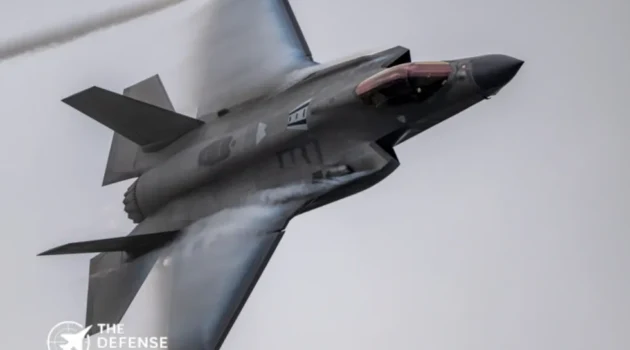
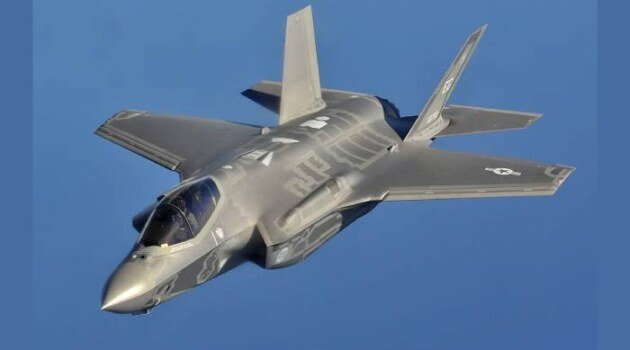
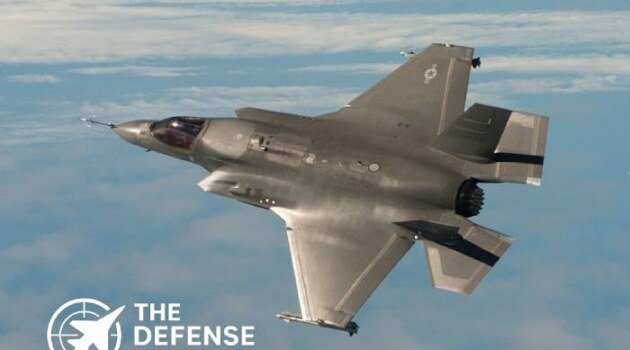
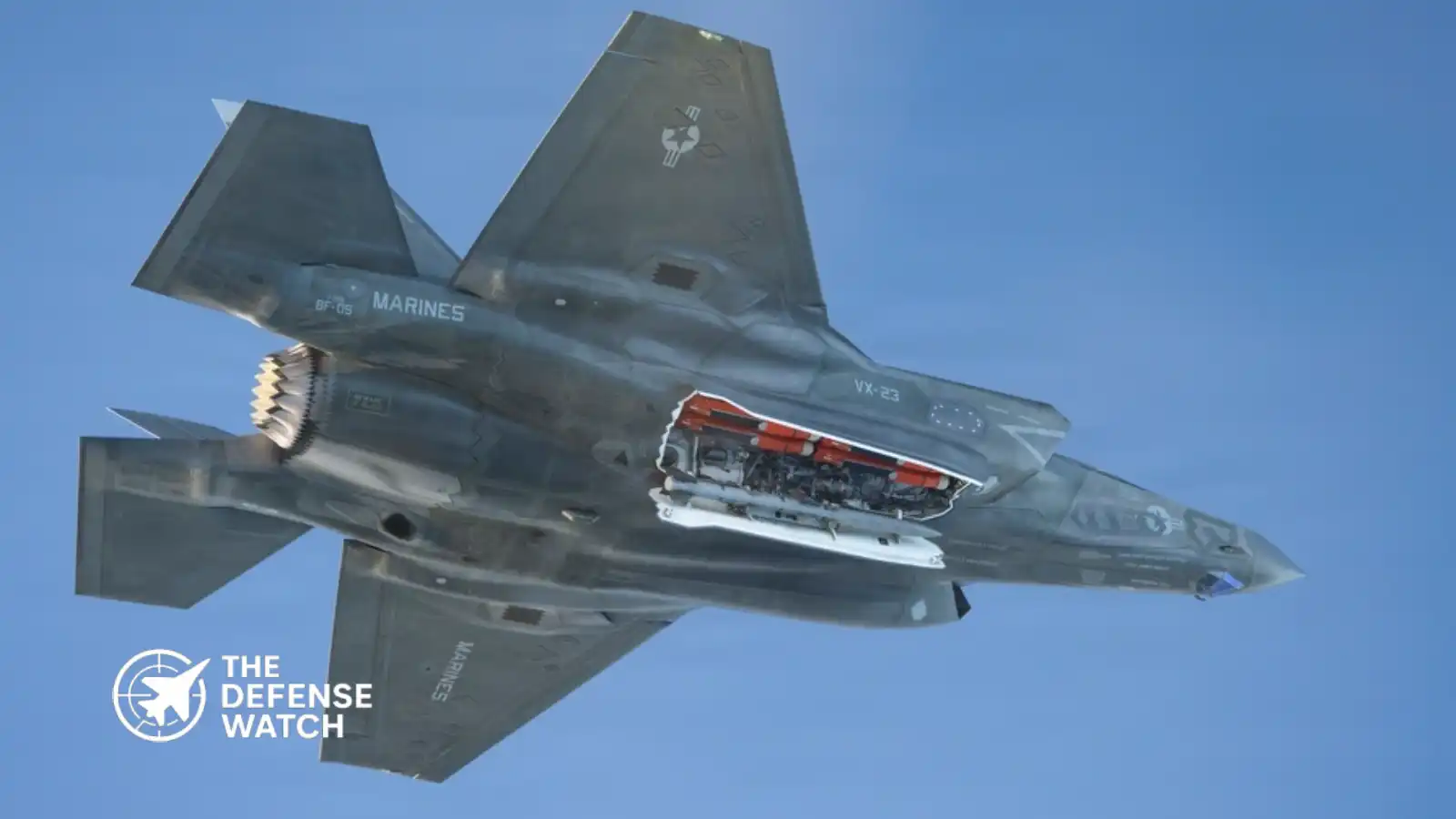
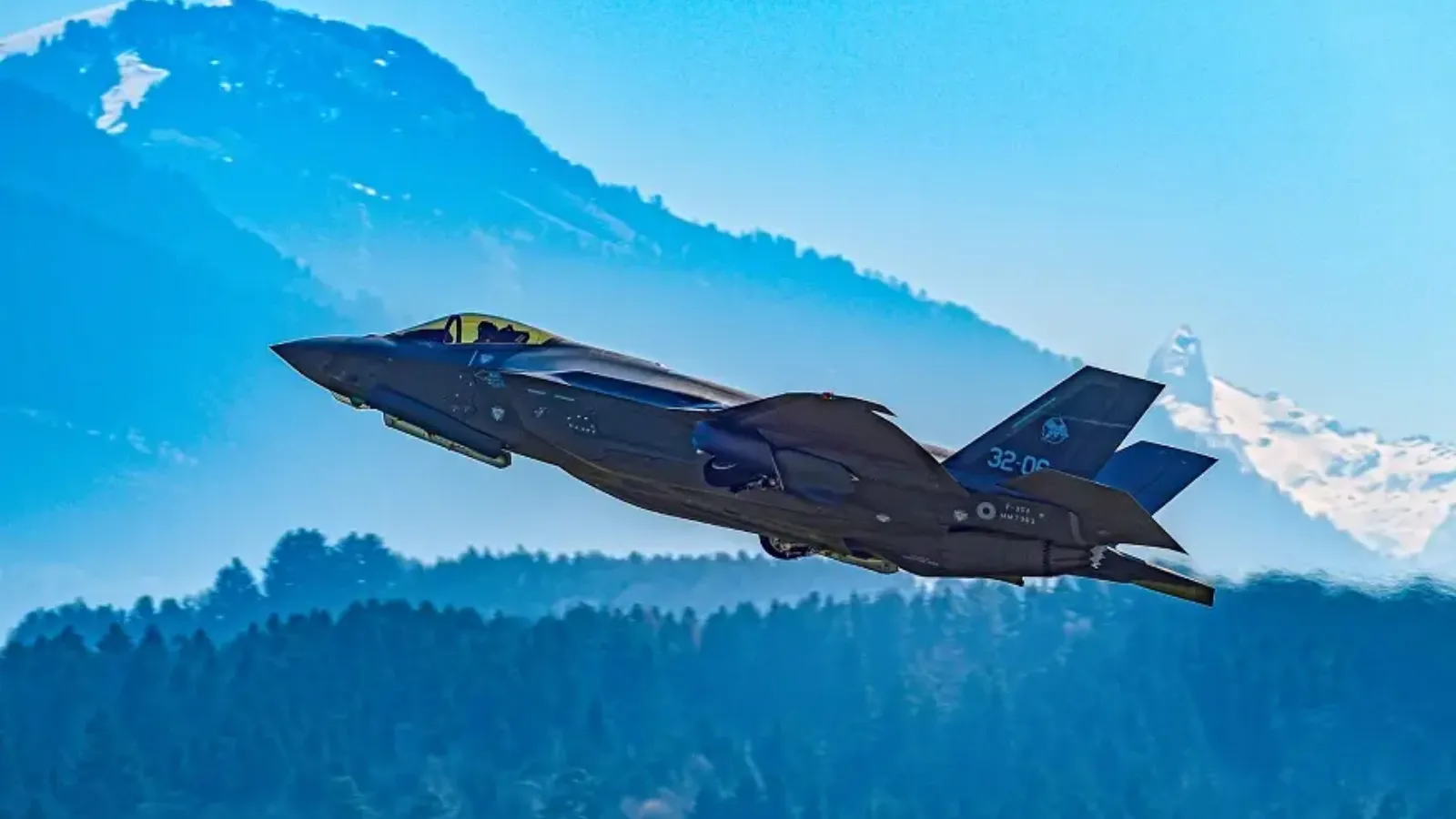
The F-35 global fleet has surpassed 1,355 aircraft deliveries and one million flight hours, marking another major expansion point for the U.S.-led fifth-generation fighter program. Lockheed Martin lists more than 1,355 aircraft delivered, more than one million flight hours, 55 operating locations, more than 3,560 trained pilots and more than 21,680 maintainers.
- F-35 Global Fleet Reaches 1,355 Deliveries Milestone
- F-35 Global Fleet Reaches a New Scale Milestone
- Takeaways
- F-35 Program Expands Across Allied Air Forces
- Recent Allied Milestones Show Increasing Operational Maturity
- The F-35 Has Passed One Million Flight Hours
- Sustainment Remains the F-35 Programs Major Challenge
- Why the Milestone Matters for U.S. Airpower
- Production Scale Is Becoming a Strategic Advantage
- F-35 Fleet Growth Creates a New Sustainment Test
- What Comes Next for the F-35
- Key F-35 Program Figures
Takeaways
The F-35 program has reached another major scale milestone, with more than 1,355 aircraft delivered and the global fleet surpassing one million flight hours.
The latest figures, reported by Defence Industry Europe on September 8, show that the program had accumulated more than 807,820 sorties and more than 810 detachments and deployments as of August 27. Seventeen military services are now flying the aircraft, while 12 countries operate F-35s from their own territory.
The milestone matters because the F-35 is no longer simply a U.S. fighter acquisition program. It has developed into a multinational combat aviation network involving production, training, maintenance, basing, weapons integration and operational deployments across several regions.
F-35 Program Expands Across Allied Air Forces
The F-35 program now includes the United States and 19 allied nations. Lockheed Martin identifies Australia, Belgium, Canada, the Czech Republic, Denmark, Finland, Germany, Greece, Israel, Italy, Japan, the Netherlands, Norway, Poland, Romania, Singapore, South Korea, Switzerland and the United Kingdom alongside the United States.
The United States remains by far the largest planned operator. Current plans cited in the latest program data include 1,763 F-35As for the U.S. Air Force, 280 F-35Bs and 140 F-35Cs for the Marine Corps, and 273 F-35Cs for the Navy.
Japan represents the largest planned F-35 fleet among the Foreign Military Sales customers, with plans for 105 F-35As and 42 F-35Bs. That combination gives Tokyo both conventional runway operations and short takeoff and vertical landing capability for its maritime aviation force.
The expanding customer base also creates greater interoperability among U.S. and allied air forces. Common aircraft, software architectures, training arrangements and support infrastructure can reduce some of the barriers that normally exist between national combat aircraft fleets.
Recent Allied Milestones Show Increasing Operational Maturity
Several recent developments demonstrate how the aircraft is moving deeper into routine operations among international users.
A British pilot flew an F-35C for the first time on August 21, while Belgian pilots conducted the first GBU-12 laser-guided bomb release from a Belgian F-35 on August 20. Germany also completed final assembly of its first F-35 in August.
Denmark declared a new deployable F-35 operations facility fully operational on August 14. The facility expands the country’s ability to support F-35 operations away from its permanent operating infrastructure.
These developments are important because operating a fifth-generation fighter at scale requires substantially more than aircraft deliveries. Countries must build maintenance capacity, train pilots and technicians, establish secure communications and data networks, integrate weapons and develop the infrastructure needed to deploy the aircraft from dispersed locations.
The growing network therefore represents an expansion in military infrastructure as well as aircraft numbers.
The F-35 Has Passed One Million Flight Hours
The one million flight-hour milestone was originally reached in 2025. Lockheed Martin announced in March 2025 that the worldwide fleet had surpassed one million hours with more than 1,000 aircraft then in the fleet.
Since then, the number of delivered aircraft has continued to rise. Lockheed Martin reported delivering 191 F-35s during 2025, a record annual total for the program, bringing the fleet close to 1,300 aircraft at the beginning of 2026.
The accumulation of flight hours provides an important measure of program maturity. A large operational fleet generates more data on aircraft reliability, maintenance requirements, software performance, pilot training and operational employment than a small developmental fleet.
At the same time, flight-hour growth also increases the pressure on the sustainment system. Every additional aircraft creates demand for engines, spare parts, depot capacity, technical support, maintenance personnel and infrastructure.
Sustainment Remains the F-35 Programs Major Challenge
The scale of the F-35 fleet should not be confused with the absence of operational problems.
A June 2026 Government Accountability Office assessment found that F-35 sustainment performance had deteriorated between fiscal years 2021 and 2025. Across the fleet, the mission capable rate declined from 67 percent to 44 percent, while the full mission capable rate fell from 38 percent to 25 percent.
The GAO reported that the Department of Defense had introduced a new sustainment approach known as the Global Support Solution Reset. The strategy requires an estimated additional $13.7 billion through fiscal year 2031 and is intended to address persistent problems including spare-parts shortages and heavy reliance on contractors.
For fiscal year 2026, the F-35 Joint Program Office reported about $6.7 billion in approved sustainment funding for the U.S. military services, while estimating a requirement of roughly $9.8 billion. The JPO also estimated that sustainment requirements for fiscal years 2027 through 2031 would total about $50.8 billion.
This creates an important strategic distinction. The program has demonstrated that it can produce and operate a large multinational fleet, but sustaining that fleet at the required readiness level is a separate challenge.
Why the Milestone Matters for U.S. Airpower
For the United States, the growing F-35 fleet has implications well beyond the number of aircraft in inventory.
The aircraft is designed around sensor integration, low observability, advanced mission systems and secure information sharing. Its value increasingly comes from its ability to contribute information to a wider force rather than simply conduct traditional fighter missions.
A large international F-35 community can strengthen that model by creating common operating procedures and increasing opportunities for allied forces to train and deploy together.
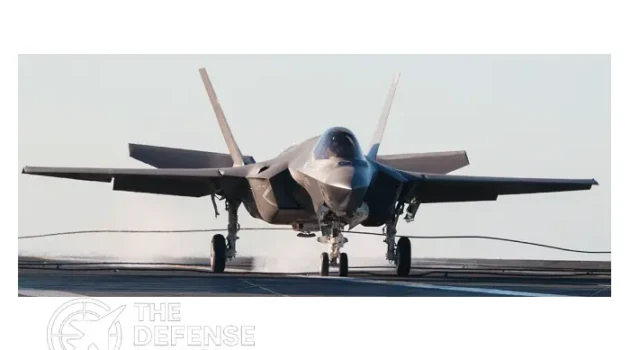
The distribution of F-35 bases also has operational significance. Lockheed Martin currently counts 55 active locations across 42 land bases and 13 ships, and projects that the network could expand to 58 bases and 24 ships by 2030, subject to customer decisions.
A broader basing network can provide additional options for training, reinforcement and distributed operations. It also creates a larger logistics footprint that must be protected and supplied during a major conflict.
Production Scale Is Becoming a Strategic Advantage
The F-35 program has now moved into full-rate production. The Department of Defense approved Milestone C and full-rate production in March 2024 after reviewing testing, production readiness and sustainment considerations.
Lockheed Martin’s 2025 delivery record demonstrates the production capacity that has emerged around the program. The company delivered 191 aircraft that year, compared with the previous annual record of 142.
That production scale gives the United States and participating allies a significant ability to replace aging fourth-generation fighters while building a common fifth-generation fleet.
However, production volume alone does not determine combat effectiveness. The ability to keep aircraft available, maintain software and mission systems, supply spare parts and provide trained personnel will increasingly determine whether the growing fleet can deliver the expected operational capacity.
F-35 Fleet Growth Creates a New Sustainment Test
The next phase of the F-35 program will therefore be measured less by whether more aircraft can be delivered and more by whether those aircraft can be maintained at useful readiness levels.
This is particularly important as the fleet moves from roughly 1,355 delivered aircraft toward a much larger long-term population. The U.S. Department of Defense expects the American fleet alone to remain the largest component of the global F-35 enterprise, while allied customers continue to establish new bases and operational units.
The GAO has warned that industry capacity, spare-parts availability and contractor dependence could threaten the implementation of the Pentagon’s sustainment reforms.
That makes sustainment a strategic issue rather than simply a maintenance problem. A fighter fleet that is technologically advanced but frequently unavailable cannot provide the same operational value as a slightly less capable fleet with consistently high availability.
What Comes Next for the F-35
The F-35 program enters its next phase with three developments moving simultaneously: continued international deliveries, expansion of operating infrastructure and efforts to improve sustainment performance.
Lockheed Martin’s current figures show a program with more than 1,355 aircraft delivered, more than one million flight hours, 55 operating locations and thousands of trained personnel worldwide.
For the United States and its allies, the expanding fleet provides a common fifth-generation aviation platform across Europe, the Indo-Pacific and the Middle East.
The central challenge now is converting that growing numerical scale into sustained operational availability. The next major measure of F-35 program performance will therefore be not only how many aircraft are delivered, but how effectively the United States and its partners can keep those aircraft flying, deployed and combat ready.
Key F-35 Program Figures
Metric Current Figure Aircraft delivered 1,355+ Global flight hours 1 million+ Program countries 20 Military services flying F-35 17 Countries operating from home territory 12 Active operating locations 55 Land bases 42 Ships 13 Trained pilots 3,560+ Trained maintainers 21,680+ Sorties 807,820+ Detachments and deployments 810+ 2025 aircraft deliveries 191 The latest fleet figures are from Lockheed Martin and program data reported as of August 27, 2026.