Germany Moves To Reinforce Ukraine Air Defense
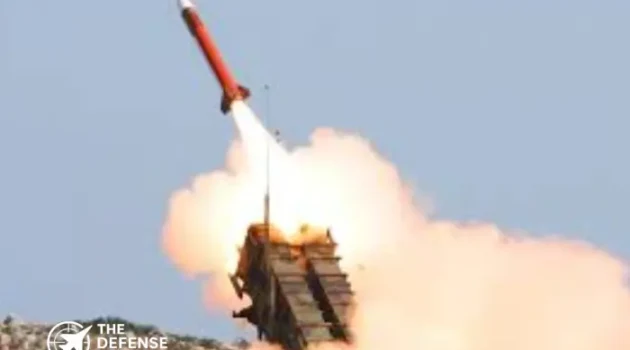
Germany will send additional Patriot air defense missiles to Ukraine from its national stocks as Berlin warns that Russia could intensify attacks against Ukrainian infrastructure during the coming winter, German Defense Minister Boris Pistorius said on Sept. 8. Reuters reported that Pistorius has ordered the urgent delivery of additional PAC-2 interceptor missiles.
- Germany Moves To Reinforce Ukraine Air Defense
- Takeaways
- Why Patriot Interceptors Matter To Ukraine
- Russia’s Winter Campaign Raises Infrastructure Concerns
- Ukraine Wants Missiles Now, Not Only Future Contracts
- Europe Is Expanding Patriot Production
- The Strategic Problem Is Interceptor Depth
- Germany’s Decision Fits A Broader European Air Defense Push
- What This Means For U.S. Defense Strategy
- The Bottom Line
Takeaways
Germany is moving additional Patriot interceptors from national stocks to Ukraine as European allies prepare for another period of heavy Russian missile and drone attacks.
1. Germany Will Provide Additional PAC-2 Interceptors
German Defense Minister Boris Pistorius said Berlin will urgently provide additional PAC-2 interceptor missiles from Bundeswehr stocks to Ukraine.
2. Berlin Expects More Russian Air Attacks
Pistorius warned that Russia could intensify attacks against Ukrainian infrastructure as temperatures fall and winter approaches.
3. Ukraine Faces A Persistent Interceptor Shortage
Ukrainian officials say new Patriot purchases will take time to arrive, increasing pressure on allies to release missiles from existing inventories.
4. European Allies Are Expanding Procurement
NATO members have been increasing Patriot procurement and production capacity, reflecting the broader pressure created by the war in Ukraine.
5. Winter Air Defense Is Becoming A Strategic Priority
The immediate challenge is not simply obtaining Patriot launchers, but sustaining enough interceptors to protect high-value infrastructure against repeated attacks.
The announcement came during a meeting of the Ukraine Defense Contact Group, where allies discussed the need to strengthen Ukraine’s air defense before another period of potentially heavy Russian missile and drone attacks.
Pistorius also said Germany would increase deliveries of air-to-air missiles and continue providing drones and long-range ammunition to Ukraine. The exact number of additional Patriot interceptors Germany will transfer was not disclosed.
Why Patriot Interceptors Matter To Ukraine
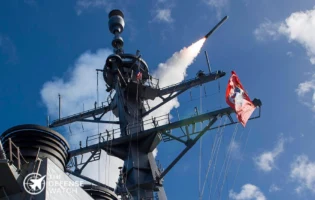
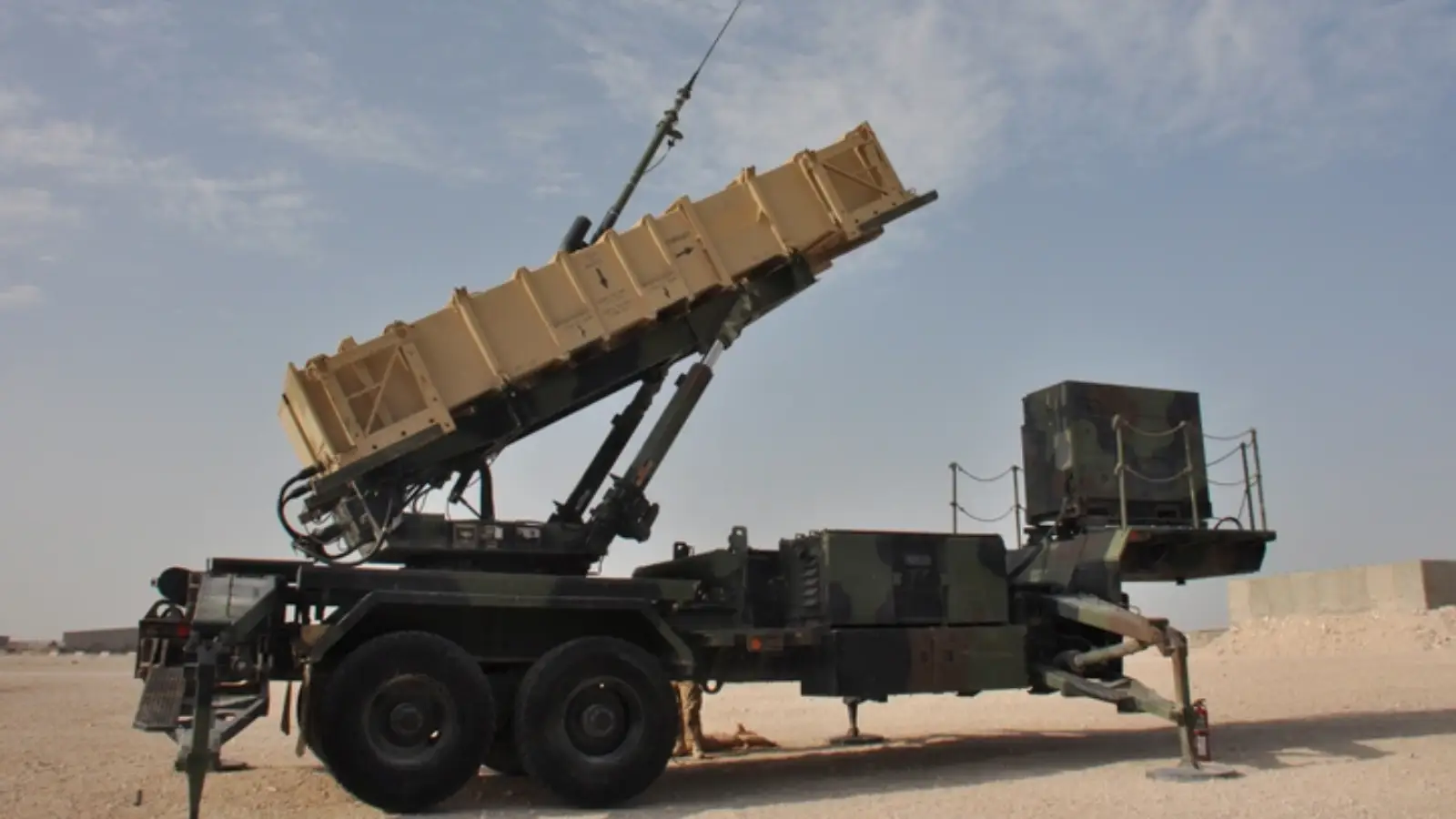
Patriot is one of the few Western air defense systems supplied to Ukraine with a dedicated capability against tactical ballistic missile threats. The system can also engage aircraft, cruise missiles and other aerial threats, depending on the interceptor and configuration used. The U.S. Army describes Patriot as an integrated air and missile defense system rather than simply a missile launcher.
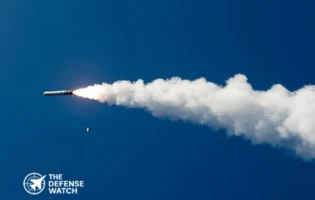
The PAC-2 family uses a proximity-fuzed interceptor concept, in which the missile detonates near the target and uses fragmentation effects to destroy or disable it. This differs from the PAC-3 family, which uses hit-to-kill technology for certain ballistic missile engagements.
That distinction matters because Ukraine’s air defense network has to manage a mixed threat environment. Russian forces have used ballistic missiles, cruise missiles and large numbers of drones in repeated attacks against Ukrainian cities and infrastructure.
The result is a demanding interceptor-management problem. Even a sophisticated air defense network can face difficult choices when the number of incoming weapons exceeds the number of available interceptors.
Russia’s Winter Campaign Raises Infrastructure Concerns
Pistorius warned that Russia could increase its air campaign against Ukrainian infrastructure as winter approaches. He argued that Russia is attempting to impose pressure on Ukraine’s economic base and critical infrastructure as advances on the ground remain limited.
This makes air defense particularly important during the colder months.
Ukraine’s electricity generation, transmission network, ports, industrial facilities and other critical infrastructure remain strategically important targets because damage to them can affect military logistics as well as civilian life and economic activity.
The timing also creates a difficult planning problem for Ukraine. Air defense assets must be positioned to protect the most consequential sites while preserving enough interceptor capacity to respond to attacks across multiple regions.
Ukraine Wants Missiles Now, Not Only Future Contracts
Ukrainian Defense Minister Yevhenii Khmara said Kyiv is contracting to purchase about 1,000 Patriot missiles, but many of those missiles are expected to arrive in future years. He urged partner countries to use existing inventories to provide Ukraine with immediate protection while future production catches up.
That distinction between procurement and availability is central to the current air defense problem.
A long-term contract can expand the eventual inventory, but it does not solve an immediate interceptor shortage. Ukraine therefore needs both near-term transfers from allied stocks and sustained industrial production.
The issue extends beyond Germany. NATO Secretary General Mark Rutte has also called on allies to increase their contributions, while NATO has been pursuing additional Patriot procurement to strengthen European air defense inventories.
Europe Is Expanding Patriot Production
The war has exposed a wider problem for European air defense: modern interceptors are expensive, technically complex and difficult to manufacture rapidly at large scale.
NATO announced in 2024 that its Support and Procurement Agency would support the purchase of up to 1,000 Patriot missiles for a coalition including Germany, the Netherlands, Romania and Spain. The arrangement was valued at about $5.5 billion and was intended partly to increase production capacity and replenish allied inventories.
The industrial effort has continued.
NATO officials said in 2026 that MBDA and RTX were preparing to open a European Patriot missile production facility in Germany. NATO has also said its procurement agency has acquired substantial quantities of Patriot PAC-2 missiles and is working toward additional purchases.
For European militaries, the objective is therefore broader than supplying Ukraine. Allies also need to rebuild their own inventories after transferring equipment and ammunition to Kyiv.
The Strategic Problem Is Interceptor Depth
The immediate German decision highlights a larger lesson from the Ukraine war: air defense effectiveness depends not only on the number of launchers and radars, but also on the depth of the interceptor stockpile.
A Patriot battery can remain operational only if it has missiles available for repeated engagements. High-tempo attacks can consume interceptors faster than industrial production can replace them.
This creates three linked requirements for Ukraine and its allies:
Requirement Why It Matters Immediate interceptor transfers Provides protection before new production arrives Long-term Patriot procurement Replenishes Ukrainian and allied stocks Expanded production capacity Reduces dependence on limited existing inventories The problem is particularly important for ballistic missile defense. A ballistic missile can present a shorter reaction timeline than a slower cruise missile or drone, reducing the time available for detection, tracking and engagement.
That makes the availability of appropriate interceptors just as important as the radar and command network supporting them.
Germany’s Decision Fits A Broader European Air Defense Push
Berlin’s decision comes as European governments increasingly view air and missile defense as a core requirement for national and NATO defense planning.
Germany itself continues to operate Patriot systems as part of its contribution to European air defense. The Bundeswehr has described Patriot as a highly sought-after capability, including deployments supporting NATO’s eastern flank.
At the same time, Germany and Ukraine have been developing broader defense-industrial cooperation. A joint strategic partnership declaration issued in April included agreements covering Patriot GEM-T missiles and additional air defense equipment.
The combination of immediate transfers and longer-term procurement reflects the two-track approach now emerging across Europe: provide Ukraine with equipment from existing inventories while expanding industrial capacity to replace those systems and prepare for future threats.
What This Means For U.S. Defense Strategy
The German decision also has implications for the United States.
Patriot remains a multinational system with U.S. technology at its core, while European allies are increasingly investing in procurement, production and sustainment. NATO’s push for additional Patriot capacity therefore supports both Ukraine’s immediate defense and the longer-term effort to strengthen European air and missile defense.
For Washington, the challenge is balancing support for Ukraine with the need to maintain sufficient U.S. stocks and readiness for other contingencies.
The experience also reinforces a broader lesson from the war: high-end missile defense cannot be treated as a niche capability. Large-scale conventional conflict can consume sophisticated interceptors at a rate that challenges even major industrial powers.
The Bottom Line
Germany’s decision to send additional Patriot PAC-2 interceptors gives Ukraine another near-term source of air defense ammunition ahead of the winter period.
The more significant issue, however, is the growing gap between the immediate demand for interceptors and the time required to manufacture and deliver new missiles.
Germany, other European allies and NATO are responding by releasing existing stocks while expanding procurement and production. For Ukraine, the immediate priority remains maintaining enough air defense capacity to protect critical infrastructure through another sustained Russian air campaign.
For Europe and the United States, the war is demonstrating that credible air and missile defense requires more than advanced technology. It requires sufficient interceptor inventories, resilient production lines, trained personnel and the industrial capacity to sustain operations over an extended conflict.