General Dynamics SLCM-N Fire Control Contract
General Dynamics Mission Systems has received a $194,139,485 contract modification from the U.S. Department of War for technical and engineering support to the fire control subsystem of the Nuclear-Armed Sea-Launched Cruise Missile, or SLCM-N, program.
- General Dynamics SLCM-N Fire Control Contract
- Takeaways
- Contract Details
- Why The Fire Control Work Matters
- SLCM-N Development Moves Beyond The Missile Itself
- Navy Builds A New Sea-Based Regional Capability
- A Program With Significant Technical Requirements
- Cost And Schedule Put The Award In Context
- General Dynamics Expands Its Role In SLCM-N
Takeaways
General Dynamics Mission Systems has received a $194.1 million contract modification to provide technical and engineering support for the fire control subsystem of the U.S. Navy’s Nuclear-Armed Sea-Launched Cruise Missile program.
The award, announced Sept. 3, 2026, is a cost-plus-fixed-fee modification designated PZ0002 to previously awarded unpriced letter contract N0003026C7000. The contract includes optional line items and is being managed by Strategic Systems Programs, the Navy organization responsible for the program.
The work is scheduled to continue through Sept. 30, 2028. General Dynamics will perform approximately 75 percent of the effort in Pittsfield, Massachusetts, and 25 percent in Manassas, Virginia.
The Navy is obligating $135,303,302 in fiscal 2025 reconciliation research, development, test and evaluation funding. The department said no funds associated with the award will expire at the end of the current fiscal year.
Contract Details
| Item | Details |
|---|---|
| Contractor | General Dynamics Mission Systems Inc. |
| Contract value | $194,139,485 |
| Contract type | Cost-plus-fixed-fee modification |
| Modification | PZ0002 |
| Previous contract | N0003026C7000 |
| Program | Nuclear-Armed Sea-Launched Cruise Missile |
| Primary effort | Fire Control Subsystem technical and engineering support |
| Pittsfield, Massachusetts | 75% |
| Manassas, Virginia | 25% |
| Completion date | Sept. 30, 2028 |
| Funding obligated | $135,303,302 |
| Funding type | Fiscal 2025 reconciliation Navy RDT&E |
| Acquisition | Sole source under 10 U.S. Code 3204(a)(1) |
| Contracting activity | Strategic Systems Programs |
Why The Fire Control Work Matters
The SLCM-N is not simply a missile development effort. It requires the integration of a weapon with the host submarine, launch infrastructure, shipboard systems, command and control architecture, testing processes and nuclear safety and security requirements.
The fire control subsystem is therefore an important integration layer. At a high level, fire control systems provide the information and control functions necessary to support a weapon’s authorized launch sequence and coordinate the weapon with the platform and associated systems.
General Dynamics has extensive experience in this area. The company says its Mission Systems business is the prime integrator for the Trident II fire control system and has developed, produced, installed and sustained submarine strategic weapon fire control systems for multiple generations of U.S. Navy missiles.
That existing technical base is significant for SLCM-N because the Navy is developing a new regional nuclear capability while maintaining compatibility with the demanding engineering, certification and security standards associated with submarine weapon systems.
The current award is therefore best understood as part of the system engineering and integration effort rather than as a procurement of completed operational missiles.
SLCM-N Development Moves Beyond The Missile Itself
The Navy’s SLCM-N program has been progressing through several parallel technical activities.
In September 2025, Strategic Systems Programs awarded prototype Other Transaction Authority agreements to Northrop Grumman Mission Systems and Pacific Engineering for launcher and canister development. The Navy said the launcher subsystem would interface with a Virginia Payload Tube and connect the missile subsystem with submarine shipboard systems.
The fire control contract complements that work by addressing another major element of the overall weapon architecture.
This division of work illustrates one of the central challenges of SLCM-N development. A new sea-launched nuclear weapon must function as an integrated system, not as an isolated missile. Launcher hardware, fire control, submarine interfaces, weapon guidance, command and control, testing and nuclear surety requirements all have to mature together.
The engineering effort also has to account for the physical and digital constraints of submarine operations, where space, power, interfaces, maintenance requirements and cybersecurity can affect system architecture.
Navy Builds A New Sea-Based Regional Capability
Strategic Systems Programs has described SLCM-N as one of the future regional deterrence capabilities within its portfolio, alongside the conventional Conventional Prompt Strike system.
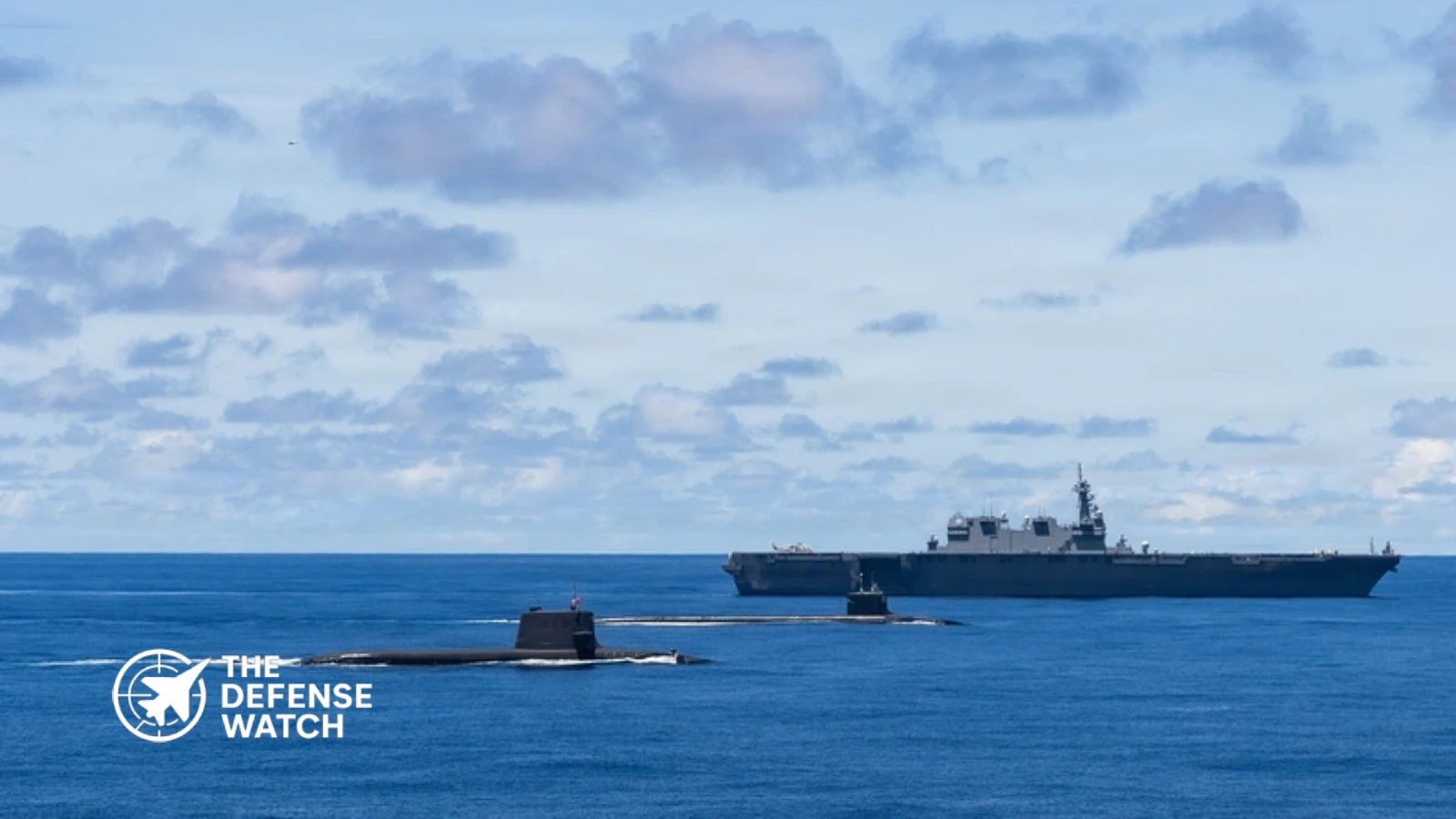
The program represents a significant shift from the Navy’s post-Cold War approach to nuclear weapons at sea. The United States previously operated the nuclear-armed Tomahawk Land Attack Missile, Nuclear, commonly known as TLAM-N, aboard surface ships and attack submarines.
The Navy withdrew TLAM-N from service in the early 1990s and eliminated the nuclear mission for surface ships. The final TLAM-N missiles were retired in 2013.
SLCM-N is intended to provide a new sea-based nuclear option, with congressional and administration discussions focusing on regional deterrence and additional response options.
The Congressional Research Service reported in January 2026 that the Navy’s SLCM-N work includes integration with Virginia-class submarines. It also reported that the W80 warhead family was being considered for the missile’s nuclear warhead and that Congress had established a requirement for limited operational deployment assets by September 2032.
Those requirements place the current 2026 engineering work within a longer acquisition timeline.
A Program With Significant Technical Requirements
The $194 million award is notable because fire control engineering is one of the areas where system-level requirements converge.
For SLCM-N, the Navy must establish reliable interfaces between the missile, launcher and submarine while ensuring that the overall system can be tested, maintained and operated under stringent nuclear safety and security requirements.
General Dynamics’ existing strategic weapons work gives it a substantial technical foundation. The company has supported U.S. and U.K. submarine strategic weapon systems for decades and currently supports fire control systems associated with both Ohio-class and Columbia-class ballistic missile submarines.
That experience does not eliminate the engineering challenges of SLCM-N. The new program involves a different weapon and mission set, requiring dedicated system architecture, interface definition, verification and validation, and integration work.
The Navy has previously acknowledged the need to manage these technical risks while developing SLCM-N. In testimony to Congress in 2025, Vice Adm. Johnny Wolfe said Strategic Systems Programs was conducting assessments intended to reduce technical and programmatic risk as the program moved toward a milestone decision.
Cost And Schedule Put The Award In Context
The latest contract modification comes as SLCM-N moves from broad program establishment toward increasingly detailed system development.
The fiscal 2025 reconciliation funding being obligated under this award totals $135.3 million, while the overall modification has a potential value of $194.1 million because it includes optional line items.
The distinction matters when assessing the award. The $194.1 million figure represents the stated value of the modification, while the $135.3 million figure is the amount of Navy funding being obligated under the award at this stage.
The September 2028 completion date also falls well before the congressional target for limited operational deployment. That indicates the contract is supporting development and engineering activity within a longer sequence of design, integration, testing and eventual operational fielding.
The Congressional Research Service has previously noted that the broader SLCM-N program carries substantial projected costs and has been the subject of debate over its deterrence value, resource requirements and relationship to other U.S. nuclear capabilities.
General Dynamics Expands Its Role In SLCM-N
For General Dynamics Mission Systems, the contract extends a long-standing relationship with the Navy’s strategic weapons enterprise into the SLCM-N program.
The company’s Pittsfield operation has historically supported submarine strategic weapon systems and remains a major center for fire control engineering. General Dynamics identifies strategic weapon control and submarine fire control among its core capabilities at the facility.
The distribution of work between Pittsfield and Manassas also reflects the broader engineering base supporting the program. Most of the effort will remain concentrated in Massachusetts, while Virginia will perform the remaining portion.
The award does not announce a missile production contract or establish an operational deployment date. Instead, it funds technical and engineering support for one of the core subsystems required to make SLCM-N a functioning integrated weapon system.
As the Navy advances launcher, missile, fire control and submarine integration activities in parallel, the latest General Dynamics award represents another step in building the technical architecture required for the future sea-launched nuclear capability.