• Home
  • About
  • Defense Systems
  • Manufacturer
  • Comparisons
  • Compare 
  • Tools
TheDefenseWatch.com
  • Aerospace & Aviation
  • Military & Ordnance
  • Naval & Maritime
  • Cyber & Space Defense
  • Policy & Strategy
  • Global News
  • Tools Library
    • Smart Calculator
    • Drone Flight Time Calculator
    • Drone Range Calculator
    • Counter-Drone Jammer Effective Range Calculator
    • Counter-Battery Radar Detection Calculator
    • Artillery Fire Correction Calculator
    • Thermal Camera Detection Range Calculator
    • Missile Range & Time-of-Flight Calculator
    • Radar Detection Range Calculator
    • FPV Strike Drone Payload vs Range Calculator
    • Loitering Munition Endurance Calculator
    • Sniper Ballistic Drop & Windage Calculator
    • Bullet Drop Calculator
    • U.S. Army Combat Fitness Test (ACFT) Calculator
    • Military Pension Calculator
    • Military Retirement Calculator
    • Military Pension Calculator
    • Large Number Calculator
Font ResizerAa

TheDefenseWatch.com

The Defense Watch | U.S. & Global Defense News, Analysis & Military Updates

Search
  • Home
  • About
  • Defense Systems
  • Manufacturer
  • Comparisons
  • Compare 
  • Tools

Stay Updated

Get the latest update

Subscribe

Explore

  • Drone
  • Fighter Jets & Military Aircraft
  • Hypersonic Weapons
  • Aircraft Carriers
  • Strategic History & Missions
  • Tools Library
Home » Australia Races To Deploy Counter Drone Sensor System Amid Rising UAV Threats
Defense ContractsDrones & UAVs

Australia Races To Deploy Counter Drone Sensor System Amid Rising UAV Threats

Samuel Drake | Defense Analyst
Last updated: September 7, 2026 5:50 am
Samuel Drake | Defense Analyst
Share
2 Min Read
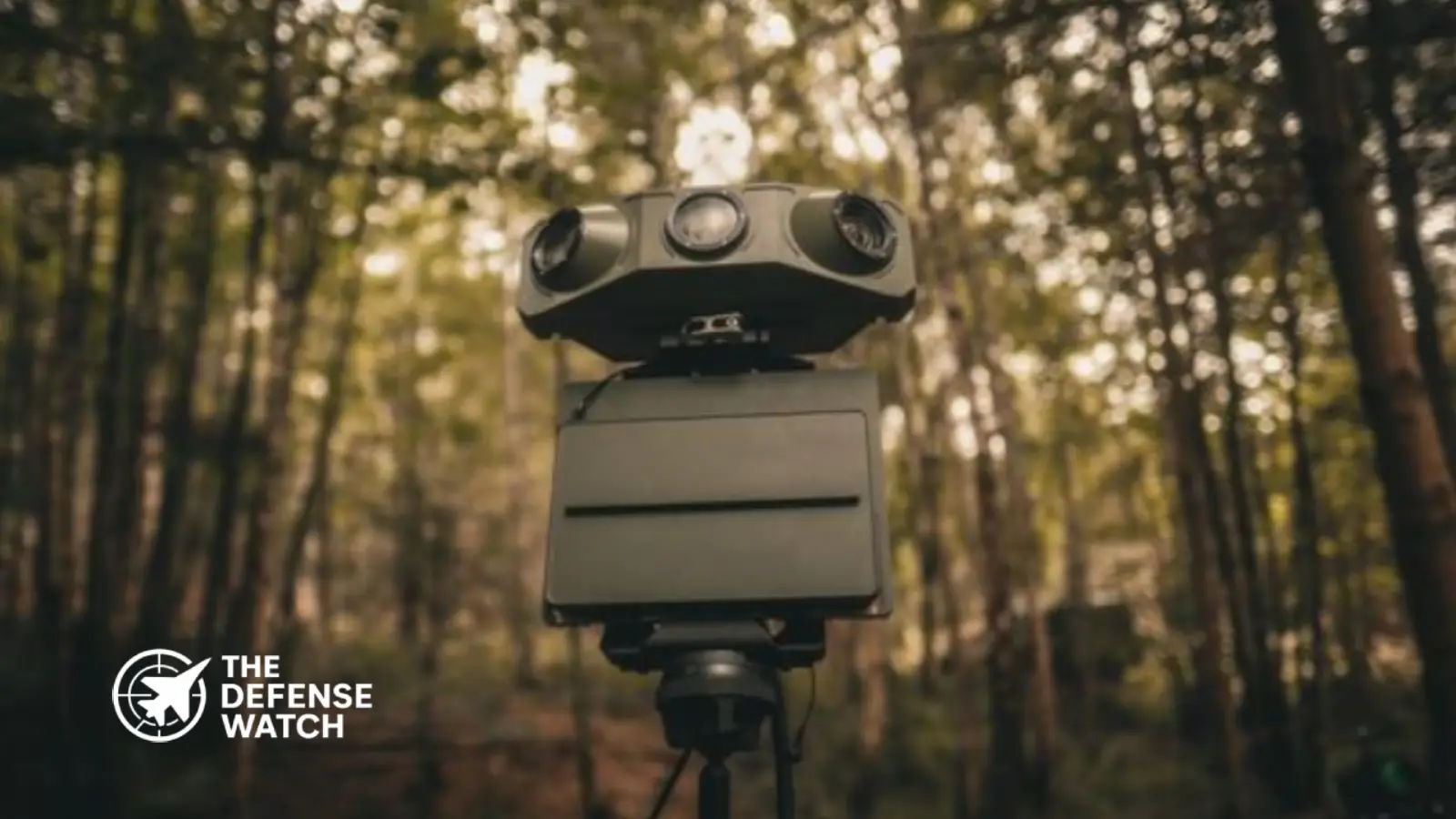
Australia counter drone system
OpenWorks Engineering's Vision Guard sensor system. (OpenWorks Engineering)
SHARE

Executive Summary:

Australia is acquiring a new counter unmanned aircraft system (C-UAS) sensor capability from a United Kingdom defense company as drone threats continue to evolve across modern battlefields.

The move supports the Australian Defence Force’s broader effort to build a layered counter drone architecture capable of detecting, tracking, identifying, and defeating hostile unmanned aerial systems.

Australia Expands Counter Drone Sensor Capability

Australia’s counter drone system modernization effort has taken another step forward with the planned acquisition of a new C-UAS sensor system from a United Kingdom defense supplier. The procurement reflects growing concern among Western militaries about the rapid proliferation of unmanned aerial vehicles and the increasingly sophisticated tactics employed by state and non-state actors.

Contents
  • Australia Expands Counter Drone Sensor Capability
  • Growing Demand For Counter UAS Systems
  • Why The New Sensor System Matters
  • Australia Pursues Layered Counter Drone Architecture
  • Strategic Implications For Australia And Allies
  • Outlook

The Australian Defence Force (ADF) has made counter drone capabilities a priority as lessons from conflicts in Ukraine, the Middle East, and other operational theaters demonstrate the growing effectiveness of low-cost drones against military forces and critical infrastructure.

According to reporting by Janes, the acquisition will provide Australia with enhanced detection and situational awareness capabilities, strengthening its ability to identify and respond to emerging aerial threats.

Growing Demand For Counter UAS Systems

The global demand for counter unmanned aircraft systems has accelerated as drones become more accessible, affordable, and capable.

- Advertisement -

Military planners increasingly view drone threats as a challenge that requires a layered response. Detection and tracking sensors are often the first line of defense, providing operators with the information needed to assess threats before deploying electronic warfare systems, kinetic interceptors, or directed-energy weapons.

Australia has already invested in multiple counter drone initiatives in recent years. The Australian Army has tested and acquired various drone detection technologies, including advanced radio-frequency sensing systems capable of identifying and locating hostile UAVs. These efforts form part of a wider national strategy aimed at protecting military bases, deployed forces, and critical infrastructure from airborne threats.

Why The New Sensor System Matters

The significance of the new C-UAS sensor system extends beyond a single procurement.

Modern drone threats are becoming increasingly difficult to detect because many systems are smaller, quieter, and capable of operating autonomously. Traditional air defense networks were primarily designed to track larger aircraft and missiles, creating gaps that small drones can exploit.

Advanced sensor systems help close these gaps by providing:

  • Early warning of drone activity
  • Improved target identification
  • Enhanced tracking accuracy
  • Integration with command-and-control networks
  • Support for layered air defense operations

These capabilities are particularly important for expeditionary operations where military units may face persistent surveillance or attack from small unmanned aircraft.

Australia Pursues Layered Counter Drone Architecture

The acquisition aligns with Australia’s broader push toward a layered counter drone architecture.

Recent defense programs have emphasized integrating sensors, command-and-control systems, electronic warfare tools, and kinetic effectors into a unified network capable of addressing diverse drone threats. Australia’s LAND 156 program, for example, seeks a scalable counter small-UAS capability that combines multiple sensors and defeat mechanisms into a coherent operational framework.

- Advertisement -

Defense officials have increasingly highlighted the need for systems that can detect, classify, track, and neutralize drones operating in complex environments.

The addition of a UK-developed sensor system could provide the ADF with greater operational flexibility while also supporting interoperability with allied nations that are pursuing similar counter drone solutions.

Strategic Implications For Australia And Allies

Beyond its technical capabilities, the acquisition reflects broader strategic trends among Western defense partners.

Australia, the United Kingdom, and the United States continue to deepen defense cooperation across multiple domains, including emerging technologies, intelligence sharing, and military modernization programs.

Counter drone technology has become a key area of collaboration because UAV threats affect military operations, homeland security, and critical infrastructure protection alike.

The growing emphasis on sensor networks also highlights an important lesson from recent conflicts: successful counter drone operations depend as much on rapid detection and situational awareness as they do on the systems used to defeat hostile aircraft.

As drone technology continues to evolve, nations that can rapidly identify and track threats will maintain a significant operational advantage.

Outlook

Australia’s decision to acquire a new counter drone sensor capability underscores the increasing importance of C-UAS technologies in contemporary defense planning.

With drone threats expanding in scale, sophistication, and accessibility, investments in advanced sensor systems are likely to remain a central element of Australia’s military modernization strategy.

The latest procurement reinforces Canberra’s commitment to building a resilient, layered defense architecture capable of protecting both deployed forces and critical national assets against emerging aerial threats.


TAGGED:Asian Defense & SecurityDefense contractsdrones & UAVs
Share This Article
Facebook Copy Link Print
BySamuel Drake | Defense Analyst
Follow:
Samuel Drake is a defense analyst at TheDefenseWatch.com covering naval warfare, military ordnance, maritime technology, fleet modernization, and defense procurement. His reporting focuses on documented capabilities, procurement programs, and military technology.
Leave a Comment

Leave a Reply Cancel reply

Your email address will not be published. Required fields are marked *

Latest Defense Systems

  • RUTA B1 Cruise Missile RUTA B1 Cruise Missile
  • XQ-67A Drone XQ-67A Drone
  • B-25 Mitchell Bomber B-25 Mitchell Bomber
  • F-100 Super Sabre F-100 Super Sabre
  • North American F-86 Sabre North American F-86 Sabre
  • North American XB-70 Valkyrie North American XB-70 Valkyrie
  • Northrop YF-23 Fighter Northrop YF-23 Fighter
  • P-51 Mustang Fighter Aircraft P-51 Mustang Fighter Aircraft
  • Rafale F5 Fighter Rafale F5 Fighter

Recent Compares

  • J-10C vs JF-17 Thunder: Which Fighter Is More Capable? J-10C vs JF-17 Thunder: Which Fighter Is More Capable? View Comparison →
  • Tejas vs Gripen: Key Differences and Capabilities Tejas vs Gripen: Key Differences and Capabilities View Comparison →
  • Tejas vs MiG-21 Bison: How India Replaced Its Iconic Supersonic Fighter Tejas vs MiG-21 Bison: How India Replaced Its Iconic Supersonic Fighter View Comparison →
  • F-35 vs F-16: Stealth, Sensors and Combat Roles F-35 vs F-16: Stealth, Sensors and Combat Roles View Comparison →
  • Tejas Fighter Jet vs F-16 Fighting Falcon: Capability Compared Tejas Fighter Jet vs F-16 Fighting Falcon: Capability Compared View Comparison →
  • Rafale Fighter Jet vs F-16 Fighting Falcon : Which Fighter Has the Edge? Rafale Fighter Jet vs F-16 Fighting Falcon : Which Fighter Has the Edge? View Comparison →
  • Su-57 Fighter Jet vs J-20 Fighter Jet: Stealth and Air Combat Compared Su-57 Fighter Jet vs J-20 Fighter Jet: Stealth and Air Combat Compared View Comparison →
  • Mirage 2000 vs Tejas Mk1A: Legacy Combat Power vs Indigenous Modernization Mirage 2000 vs Tejas Mk1A: Legacy Combat Power vs Indigenous Modernization View Comparison →
  • Rafale Fighter Jet vs F-22 Raptor: Which Air Dominance Fighter Has the Edge? Rafale Fighter Jet vs F-22 Raptor: Which Air Dominance Fighter Has the Edge? View Comparison →
  • Tejas Fighter Jet vs. Rafale Fighter Jet: India’s Indigenous Fighter Meets France’s Proven Multirole Combat Aircraft Tejas Fighter Jet vs. Rafale Fighter Jet: India’s Indigenous Fighter Meets France’s Proven Multirole Combat Aircraft View Comparison →

Recent Posts

  • Iran Releases Footage of Underground Missile Tunnels Amid Rising US Military Tensions
  • China Says HQ Missile Systems Intercepted Two New Missile Types in PLA Drill
  • Phoenix Defense Ventures Wins $310.5 Million HH-60W Training Contract
  • Rolls-Royce Showcases Naval Engines and Automation Systems at Euronaval 2026
  • North Korea Tests Cruise Missile With Dispersal Warhead, KCNA Says

You Might Also Like

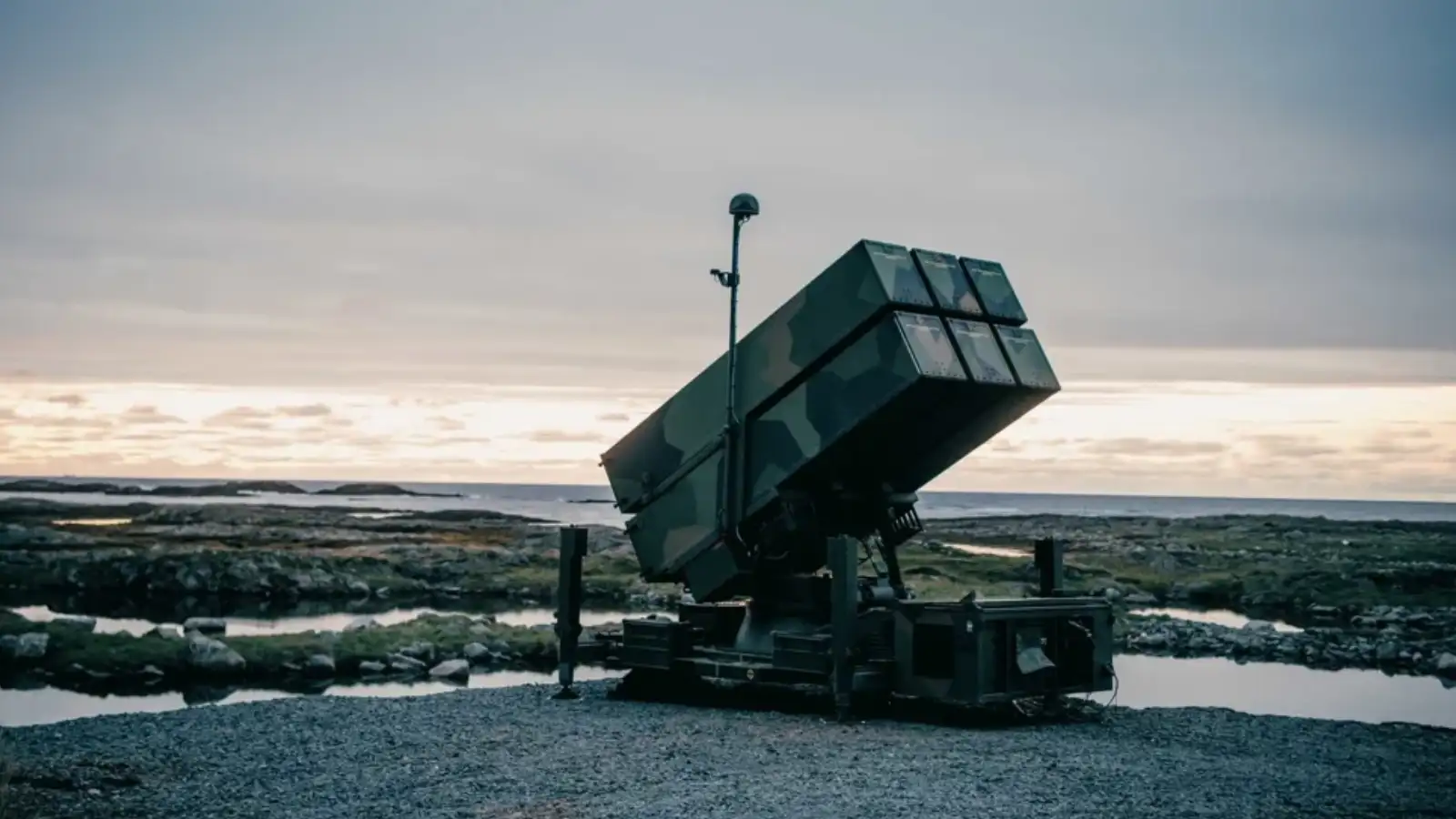
Kongsberg NASAMS Kuwait
Defense ContractsMissile Defense Systems

Kongsberg Secures $400 Million NASAMS Air Defense Deal For Kuwait Under U.S. Foreign Military Sales Program

September 12, 2026
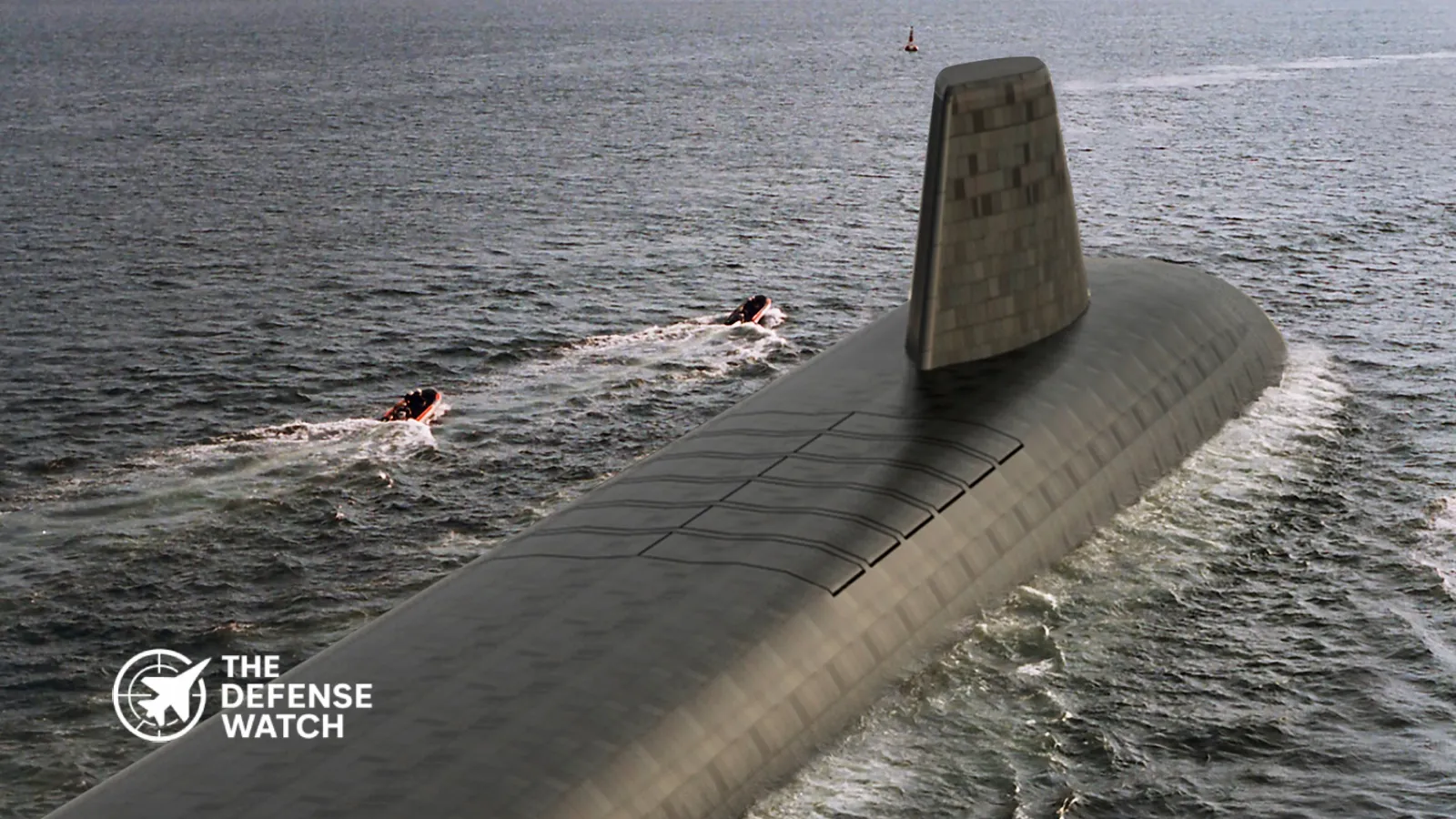
BAE Systems Dreadnought contract
Defense Contracts

BAE Systems Secures $7.8 Billion Deal For Royal Navy Dreadnought Class Nuclear Submarines

September 7, 2026
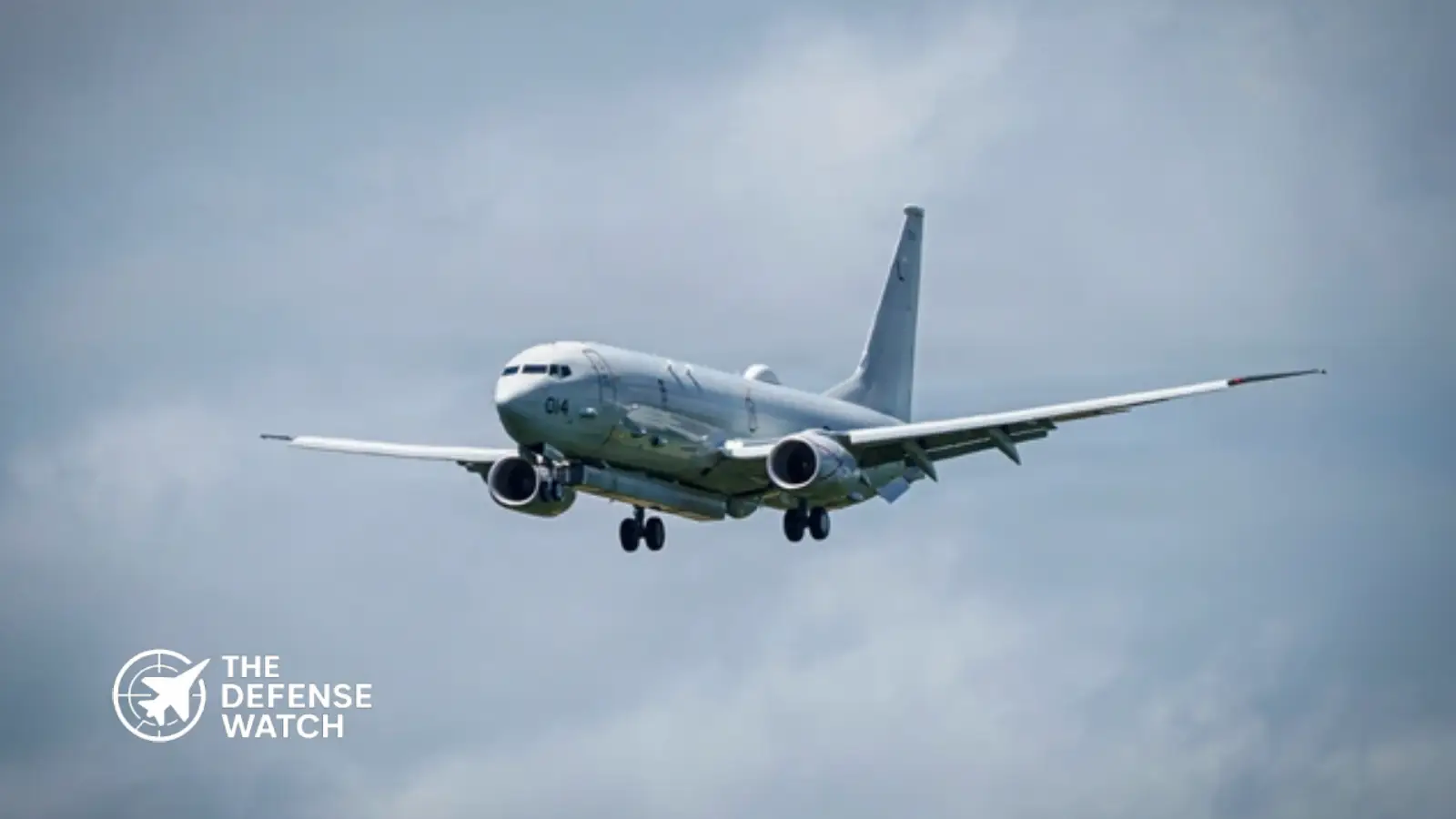
Boeing P-8A Poseidon contract
Defense Contracts

Boeing Secures $31.5 Million Deal For P-8A Poseidon Sustainment Support

September 7, 2026
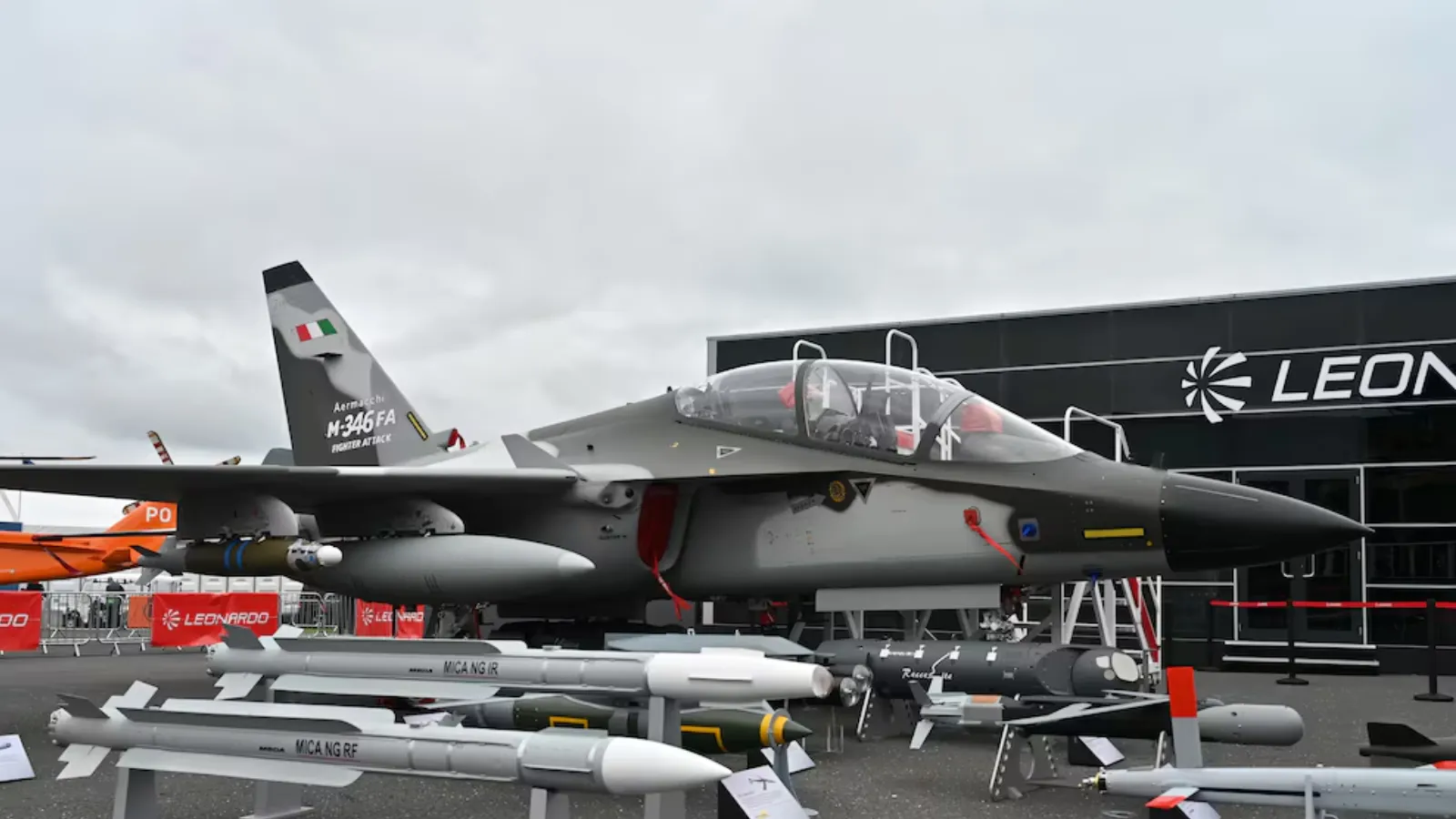
Indonesia Leonardo M,346F fighters
Defense Contracts

Indonesia Orders Leonardo M-346F Light Fighters As Air Force Modernization Accelerates

September 13, 2026

Logo

Copyright © 2026 TheDefenseWatch.com

Helpful Links

  • Home
  • About Us
  • Privacy Policy
  • Terms of Use / Disclaimer
  • U.S. Privacy Notice – CCPA Compliance

Defense Systems

  • Defense Systems
  • Comparisons 
  • Manufacturer
  • Tactical Calculators

Popuplar

Which 5 Air Forces Possess the Costliest Fighter Jet Fleets in the World
Evolving Strategic Value: Carrier Strike Groups in the Indo-Pacific’s Future Security Architecture
Autonomous Weapon Systems Spark U.S. Ethics Debate Amid Rapid Military AI Integration

We report on developments involving military forces, governments, defense companies, research organizations, and security institutions around the world. 

Welcome Back!

Sign in to your account

Username or Email Address
Password

Lost your password?