Executive Summary:
General Motors is reportedly in discussions with Lockheed Martin about manufacturing components for the defense contractor’s weapons systems. The talks come as the U.S. government seeks to expand domestic defense production capacity and replenish munitions inventories strained by recent conflicts. If finalized, the partnership could mark a significant expansion of GM’s role in the American defense industrial base.
GM And Lockheed Martin Explore Defense Manufacturing Partnership
General Motors is reportedly discussing a potential agreement to manufacture components for Lockheed Martin weapons systems, according to reporting by The Wall Street Journal cited by Reuters. The discussions remain preliminary, and no final agreement has been announced. Reuters reported that the companies are evaluating which parts GM could potentially supply to support Lockheed Martin’s production requirements.
- GM And Lockheed Martin Explore Defense Manufacturing Partnership
- A Broader Push To Expand The U.S. Defense Industrial Base
- Why Lockheed Martin Needs Additional Manufacturing Capacity
- GM Defense’s Expanding Role
- Analysis: What This Means For U.S. Defense Strategy
- Industrial Mobilization Echoes Historical Precedents
- Outlook
The reported talks reflect broader efforts across Washington and the defense sector to increase production capacity for critical military systems. Demand for missiles, air defense interceptors, precision-guided munitions, and other weapons has increased significantly as the United States and its allies replenish inventories and support ongoing security commitments.
A Broader Push To Expand The U.S. Defense Industrial Base
The discussions between GM and Lockheed Martin follow months of Pentagon outreach to major American manufacturers.
Earlier this year, U.S. defense officials reportedly held discussions with companies including General Motors, Ford, GE Aerospace, and Oshkosh regarding opportunities to support defense production. The objective was to determine whether commercial manufacturing capacity could supplement traditional defense contractors facing growing demand.
The effort reflects concerns about production bottlenecks across the defense supply chain. Modern missile systems often require hundreds of suppliers and highly specialized components, making rapid production increases difficult even for established defense manufacturers.
Why Lockheed Martin Needs Additional Manufacturing Capacity
Lockheed Martin remains one of the Pentagon’s largest suppliers, producing a wide range of military systems, including:
| Major Capability Area | Examples |
|---|---|
| Missile Defense | PAC-3 MSE interceptors, THAAD systems |
| Tactical Missiles | Precision-guided munitions and strike weapons |
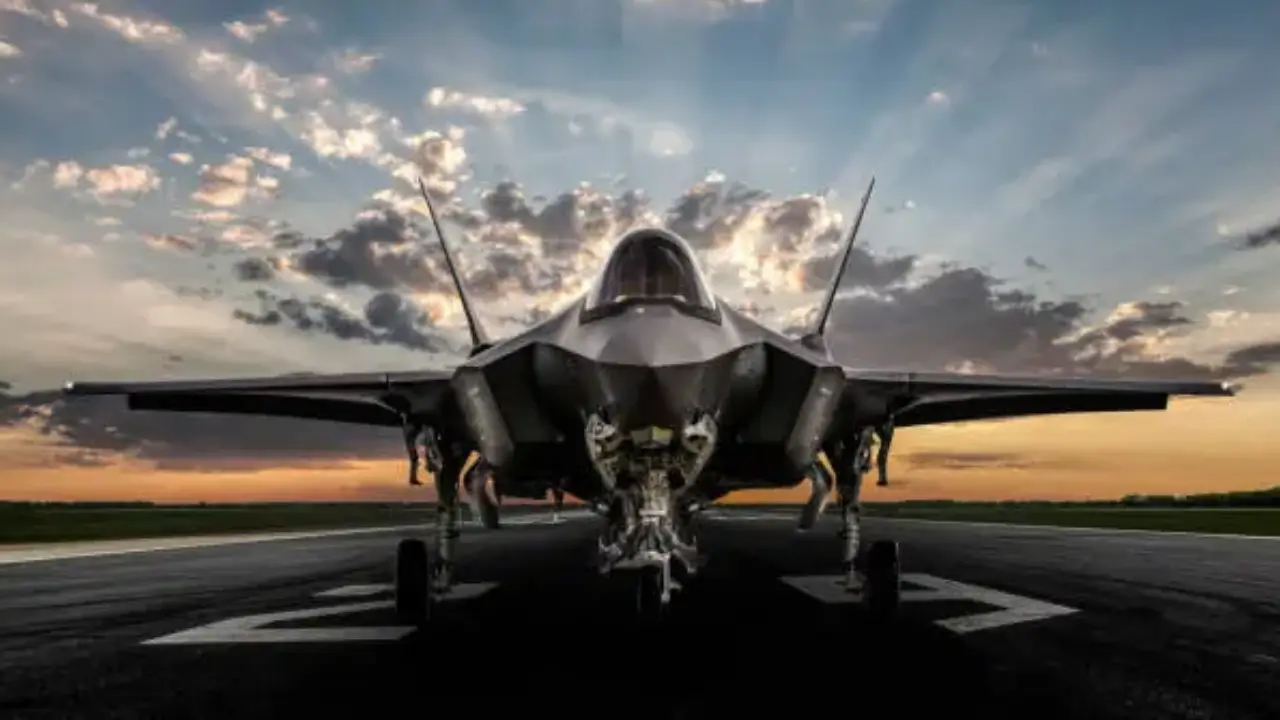
| Military Aviation | F-35 Lightning II fighter aircraft |
| Rotary Wing Aircraft | Sikorsky helicopter platforms |
| Strategic Systems | Various advanced defense programs |
Growing global demand has increased pressure on production lines throughout the defense sector. According to recent reporting, Lockheed Martin and its partners are working to expand manufacturing output for several key missile programs while addressing supply-chain constraints and workforce challenges.
Under the reported discussions, GM would manufacture commonly used components rather than complete weapons systems. Such an arrangement could help free defense suppliers to focus on highly specialized production tasks while leveraging GM’s extensive manufacturing expertise.
GM Defense’s Expanding Role
The reported negotiations also align with General Motors’ broader defense ambitions.
Through its GM Defense division, the company has pursued military vehicle opportunities and sought to apply commercial automotive technologies to defense applications. According to reports, GM Chief Executive Officer Mary Barra has discussed expanding the company’s defense role with U.S. government officials.
Unlike traditional defense contractors, GM brings large-scale production expertise developed through decades of automotive manufacturing. Its factories, workforce, supply-chain management systems, and advanced manufacturing capabilities could provide valuable support for defense programs requiring higher production volumes.
Analysis: What This Means For U.S. Defense Strategy
The significance of these discussions extends beyond a single supplier agreement.
For several years, defense planners have warned that the U.S. defense industrial base was optimized for peacetime procurement rather than sustained high-volume production. Recent conflicts have highlighted the challenge of rapidly replenishing missile inventories and expanding output during periods of heightened demand.
Bringing major commercial manufacturers into defense supply chains could provide several advantages:
- Increased production capacity without building entirely new factories.
- Greater supply-chain resilience through supplier diversification.
- Faster scaling of selected components and subassemblies.
- Reduced pressure on specialized defense manufacturers.
However, significant challenges remain.
Defense manufacturing requires strict quality controls, security requirements, certification processes, and specialized materials that differ substantially from automotive production. Transitioning commercial facilities to defense work often involves lengthy qualification procedures and substantial investment. Industry experts have long noted that scaling production of advanced weapons systems requires more than factory floor capacity alone, as many bottlenecks originate deeper within specialized supplier networks.
Industrial Mobilization Echoes Historical Precedents
The reported discussions also reflect a historical pattern in American industry.
During major conflicts of the twentieth century, U.S. automakers played critical roles in military production, converting commercial manufacturing capacity to support wartime requirements. Today’s environment differs significantly because modern weapons systems rely on advanced electronics, software, precision guidance technologies, and highly regulated supply chains.
Nevertheless, policymakers increasingly view commercial manufacturers as an important reserve capacity that could strengthen national industrial resilience during periods of elevated demand.
Outlook
No agreement between General Motors and Lockheed Martin has been announced, and discussions reportedly remain ongoing.
If the talks result in a formal partnership, the arrangement would represent one of the most notable examples of a major American automaker directly supporting weapons production in the current defense buildup. It would also signal a broader shift toward integrating commercial manufacturing capacity into the U.S. defense industrial ecosystem as Washington seeks to expand production of critical military systems.