Taiwan Military Drills Focus On Energy Supply Security
Taiwan military drills aimed at securing energy supply routes are underway as concerns grow over a potential Chinese blockade. The exercises reflect Taipei’s increasing focus on safeguarding critical maritime lifelines that sustain its economy and military operations.
The drills are designed to test Taiwan’s ability to maintain uninterrupted energy imports under crisis conditions. The island imports the vast majority of its fuel, making maritime access a strategic vulnerability.
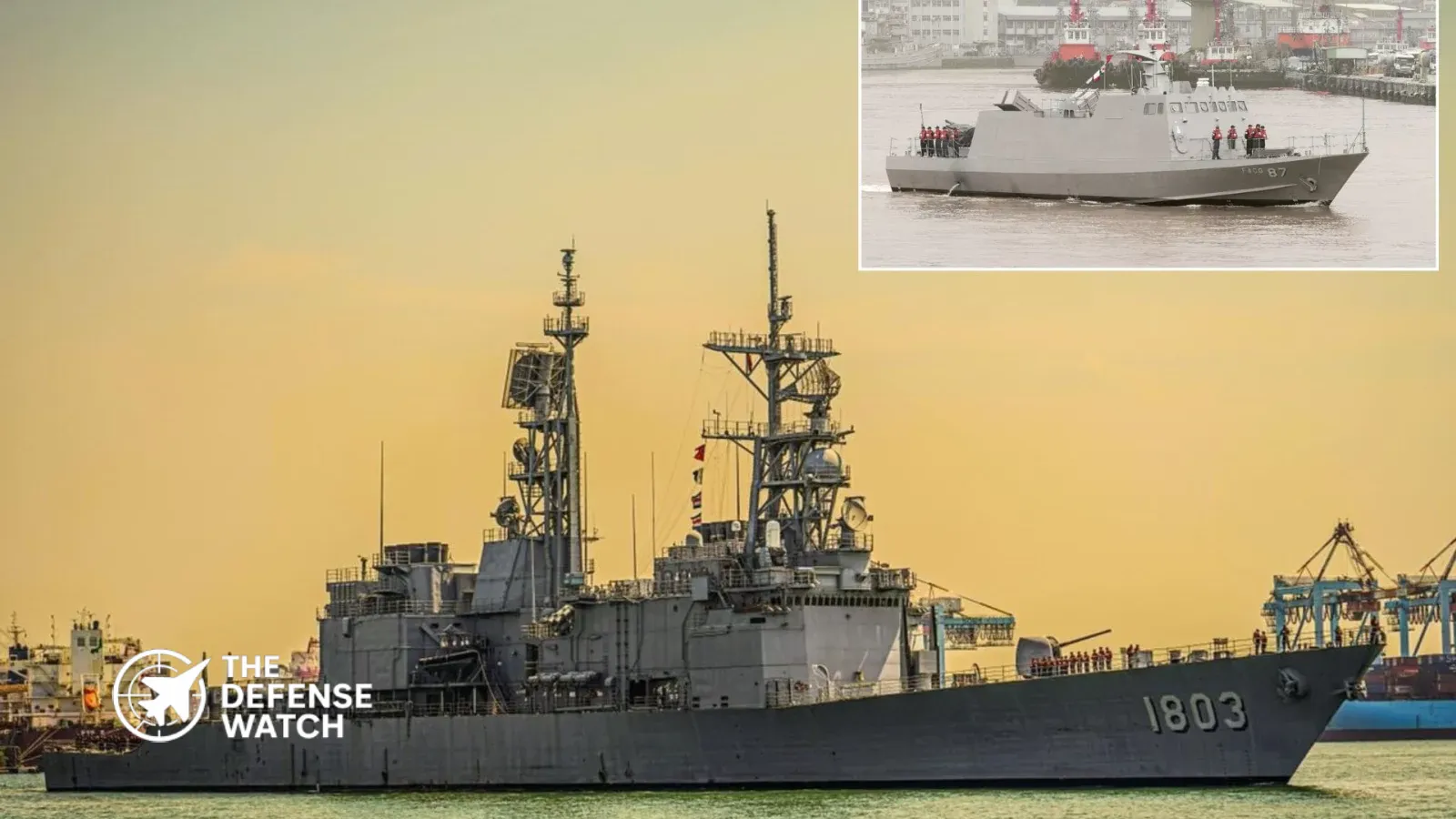
These exercises involve coordinated operations between the navy, air force, and coastal defense units. Scenarios include escorting fuel tankers, countering maritime interdiction attempts, and maintaining control of key sea lanes.
- Taiwan launched military drills focused on protecting critical energy supply routes against a potential Chinese blockade scenario.
- Exercises include naval escort operations, maritime surveillance, and coordination with air and coastal defense units.
- Taiwan relies heavily on imported energy, making sea lane security a strategic priority during crisis scenarios.
- The drills simulate disruption of shipping lanes and test rapid response to ensure continuity of fuel supplies.
- The move reflects growing concern over China’s ability to impose a maritime blockade in a future conflict.
Strategic Vulnerability Drives Operational Focus
Taiwan’s dependence on seaborne energy imports shapes its defense planning. Oil and liquefied natural gas shipments are essential for power generation, industry, and military readiness.
A blockade, even if limited, could quickly disrupt supply chains and place pressure on civilian infrastructure. This risk has pushed Taiwan to prioritize resilience in maritime logistics.
The current Taiwan military drills simulate contested environments where shipping routes are threatened or partially cut off. By rehearsing escort missions and rapid response tactics, Taiwan is attempting to reduce the operational impact of such disruptions.
This reflects a broader shift from traditional territorial defense toward protecting economic and logistical nodes that sustain national power.
Naval And Air Integration Key To Defense Strategy
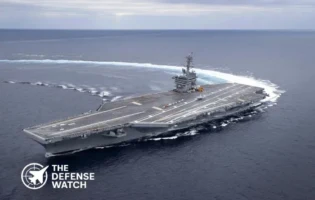
The drills highlight the growing importance of joint operations. Naval vessels are tasked with escorting commercial ships, while air assets provide surveillance and early warning.
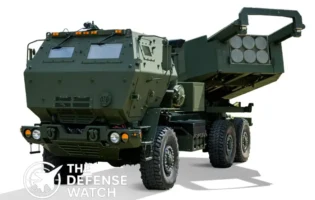
Coastal missile systems and radar networks also play a role in detecting and deterring hostile activity near critical shipping lanes.
This integrated approach aligns with modern maritime security concepts seen across the Indo Pacific. Rather than relying solely on fleet strength, Taiwan is building layered defenses that combine mobility, surveillance, and rapid response.
China Blockade Scenario Gains Prominence
The Taiwan military drills come amid increasing discussion of blockade scenarios in regional security analysis. Rather than a full scale invasion, a blockade is often viewed as a lower risk option for applying pressure.
China’s expanding naval capabilities, including surface combatants and maritime patrol assets, have improved its ability to control key sea routes around Taiwan.
In this context, Taiwan’s focus on energy supply security is both practical and strategic. Ensuring continued access to fuel reduces vulnerability and strengthens deterrence by signaling preparedness.
Operational Readiness And Deterrence Value
Beyond immediate training objectives, the drills serve a signaling function. Demonstrating the ability to protect energy supply routes reinforces Taiwan’s commitment to maintaining operational continuity under pressure.
It also reassures partners and markets that contingency planning is in place. Stability in energy supply is closely tied to economic confidence, particularly in a region critical to global trade.
From a military standpoint, the ability to sustain fuel flows directly impacts force readiness. Air operations, naval deployments, and ground mobility all depend on reliable energy access.
Broader Indo Pacific Implications
Taiwan’s focus on maritime supply security reflects a wider regional trend. Countries across the Indo Pacific are investing in protecting sea lines of communication as strategic competition intensifies.
Energy security is increasingly viewed as part of national defense, not just economic policy. The Taiwan military drills illustrate how this concept is being operationalized in real world scenarios.
As tensions continue, such exercises are likely to become more frequent and complex. They represent a shift toward preparing for gray zone and hybrid conflict conditions, where disruption rather than direct confrontation may be the primary tactic.