Australia Test Fires First Locally Made GMLRS Missiles
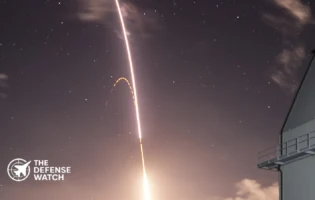
Australia has test fired its first locally made Guided Multiple Launch Rocket System (GMLRS) missiles, a key milestone in building sovereign long-range strike capability and defence industrial capacity.
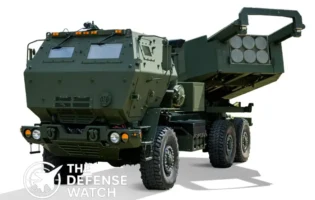
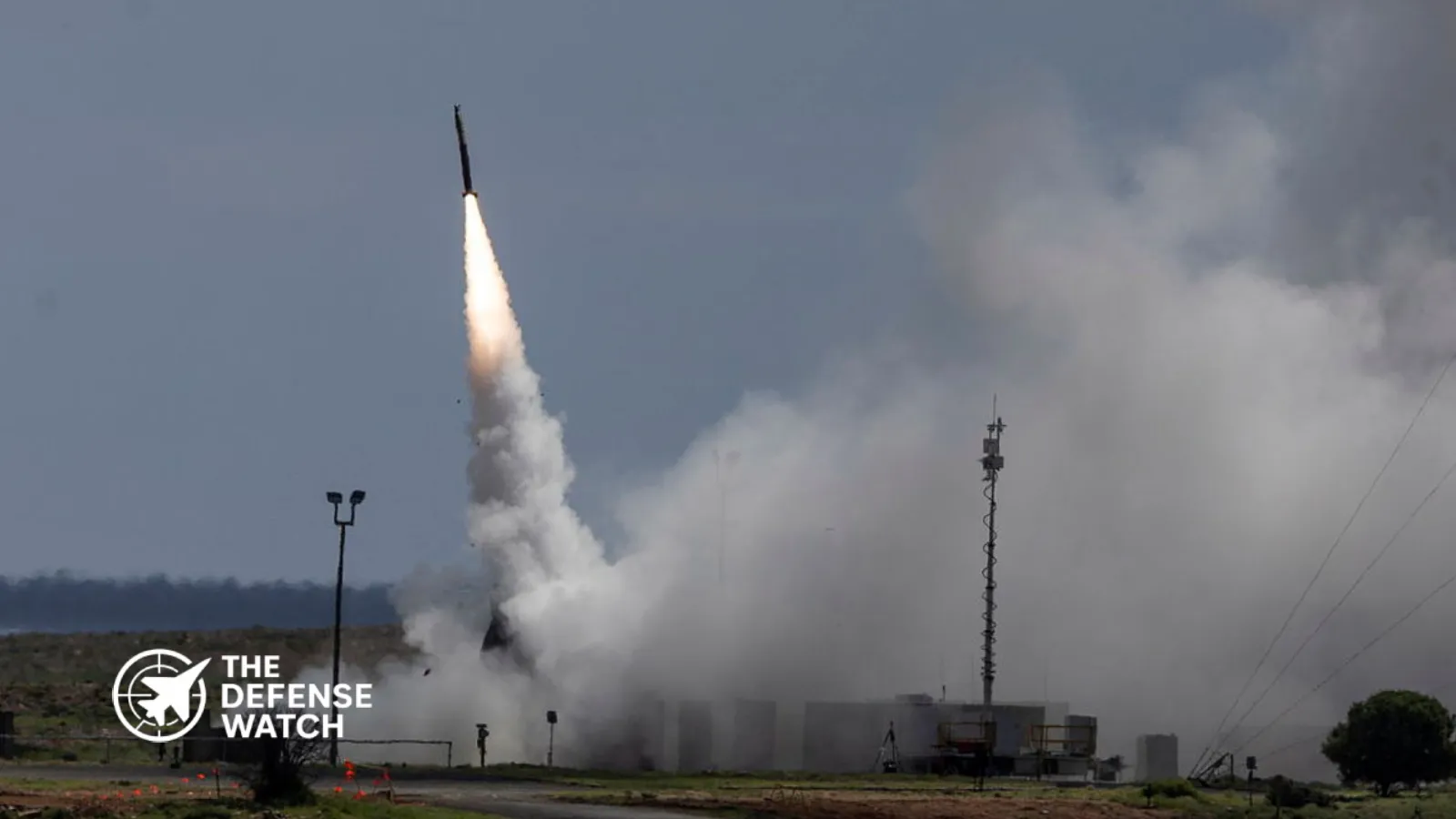
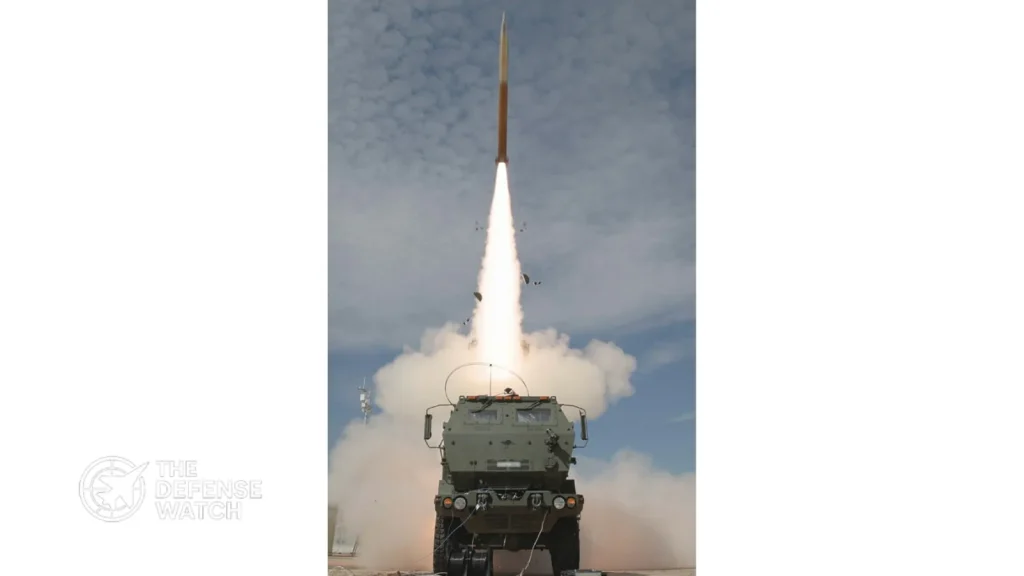
The test launch was conducted on 13 April 2026 at the Woomera Test Range in South Australia using the Australian Army’s Lockheed Martin M142 High Mobility Artillery Rocket System (HIMARS).
Canberra’s Department of Defence said the successful firing expands the Army’s precision strike range and demonstrates progress toward local production of advanced munitions.
- Australia test fired its first locally made Illustrated GMLRS missiles from a HIMARS launcher at Woomera Test Range, South Australia on 13 April 2026. :contentReference[oaicite:0]{index=0}
- The missiles were produced through the new Port Wakefield facility opened in December 2025, advancing sovereign defence production. :contentReference[oaicite:1]{index=1}
- Minister for Defence Industry Pat Conroy said Australia is now the only country outside the United States to make GMLRS missiles. :contentReference[oaicite:2]{index=2}
- GMLRS missiles give precision surface-to-surface fires beyond traditional artillery range when fired from HIMARS. :contentReference[oaicite:3]{index=3}
- Australian suppliers are being integrated into the GMLRS supply chain under a $320 million industrial uplift plan. :contentReference[oaicite:4]{index=4}
A Milestone For Sovereign Missile Production
Australia’s first locally made GMLRS missiles were built at a new dedicated facility in Port Wakefield, South Australia, which opened in December 2025.
The government has linked the milestone to broader aims of boosting national resilience and defence industrial capacity. According to Defence Minister Pat Conroy, Canberra is now the only country outside the United States manufacturing GMLRS missiles, creating opportunities for Australian industry to join global supply chains.
Under a government plan, about $320 million will help domestic suppliers enter the GMLRS supply chain, gradually increasing local content in missile production.
This achievement comes after planned production of the first batch of missiles earlier in 2026 and the introduction of HIMARS launchers under the Army’s long-range fires program.
What GMLRS Brings To Australian Forces
GMLRS rockets are GPS-guided surface-to-surface missiles that can engage targets at extended ranges with precision accuracy, extending beyond traditional artillery limits.
Fired from HIMARS launchers, these missiles offer mobile, high-precision long-range firepower. The Army’s acquisition of HIMARS and associated munitions forms a central pillar of its strike capability modernization.
Australian authorities have emphasized that local production strengthens supply chain resilience, reduces reliance on foreign sources, and lays groundwork for manufacturing more advanced weapons such as Precision Strike Missiles in future.
Industrial And Strategic Implications
Establishing a domestic missile production base represents a major step for Australia’s defence industry. Beyond initial assembly, Canberra aims to increase Australian supplier participation in guided weapons manufacturing, enhancing skills and infrastructure.
The local GMLRS production project aligns with the broader Guided Weapons and Explosive Ordnance (GWEO) plan, which envisages facilities capable of producing thousands of missiles annually by the end of the decade.
Analysts note that full end-to-end manufacturing remains a long-term goal. Early stages involve assembling imported components, with deeper localisation planned over time.
What Comes Next
Australia’s next steps include boosting local supply chain integration, increasing production rates, and expanding guided weapons manufacturing capability. Officials have said GMLRS success will support future work on longer-range systems and strengthen industrial ties with allies.
The momentum underlines Canberra’s push for strategic autonomy in defence production and contributes to broader Indo-Pacific deterrence efforts as regional military competition grows.