Textron Positions Beechcraft M-346N For U.S. Navy Training Modernization
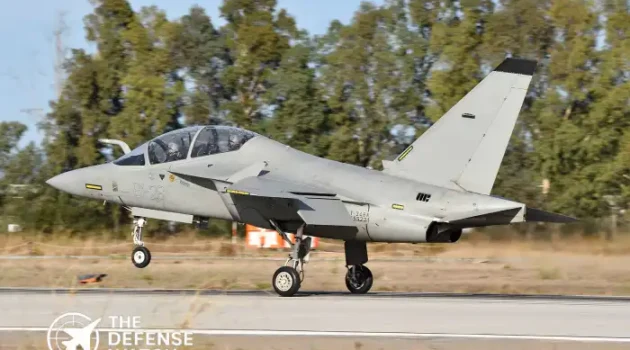
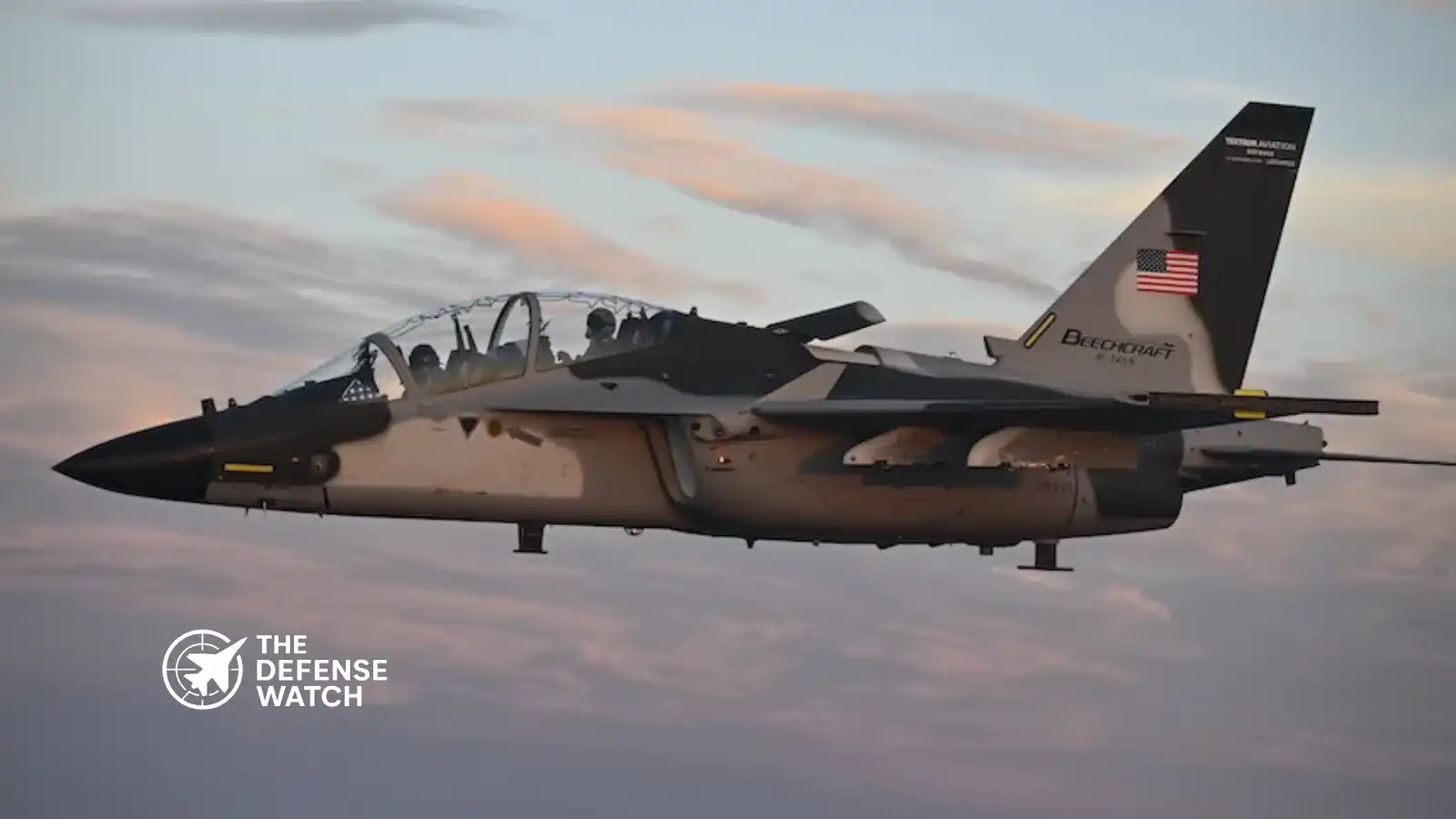
The Beechcraft M-346N trainer is being positioned by Textron Aviation Defense as a next-generation solution for U.S. Navy pilot training, targeting the service’s evolving requirements for carrier-based aviation. The company unveiled the aircraft at Sea-Air-Space 2026, highlighting its role in the Navy’s Undergraduate Jet Training System program.
The M-346N is a navalized variant of the proven M-346 advanced jet trainer, adapted to meet the demanding conditions of carrier operations. According to Textron Aviation Defense, the platform is designed to bridge the gap between basic flight training and frontline carrier aviation, an area the Navy has been seeking to modernize.
- Textron Aviation Defense is showcasing the Beechcraft M-346N trainer for U.S. Navy pilot training requirements.
- The aircraft is designed for carrier-based training operations with advanced avionics and performance features.
- It is based on the M-346 platform, widely used for advanced jet pilot training globally.
- The proposal aligns with the U.S. Navy’s Undergraduate Jet Training System (UJTS) program.
- The unveiling took place at Sea-Air-Space 2026, a major U.S. naval defense exhibition.
Industry observers note that the Navy’s current training fleet, including legacy systems, faces growing pressure to replicate the complexity of modern combat aircraft such as the F-35C and advanced F/A-18 variants.
Designed For Carrier-Based Training Operations
A key differentiator of the Beechcraft M-346N trainer is its focus on carrier suitability. Textron emphasized that the aircraft incorporates structural and avionics enhancements tailored for naval aviation, including features necessary for carrier landing practice and high-performance maneuvering.
The baseline M-346 platform, developed originally by Leonardo, is already in service with multiple air forces worldwide. It is recognized for its advanced flight control system, embedded simulation capabilities, and ability to replicate the handling characteristics of frontline fighters.
By adapting this platform into the M-346N configuration, Textron aims to provide the U.S. Navy with a cost-effective yet high-fidelity training solution. The aircraft is expected to offer improved training realism without the operational costs associated with using combat aircraft for instruction.
Addressing The Navy’s Training Gap
The U.S. Navy’s Undergraduate Jet Training System program seeks to replace or augment existing trainer aircraft with a more capable platform. The goal is to prepare pilots for increasingly complex operational environments, including carrier strike group operations and multi-domain warfare.
The Beechcraft M-346N trainer directly targets this requirement by offering advanced avionics, digital cockpit architecture, and embedded simulation systems. These features allow pilots to train in scenarios that closely mirror real-world missions, including air-to-air combat and strike operations.
From an operational perspective, this represents a shift in training philosophy. Instead of relying heavily on live training in frontline aircraft, the Navy is moving toward integrated training systems that combine live, virtual, and constructive environments.
This approach reduces costs, increases training efficiency, and accelerates pilot readiness, all critical factors as the Navy faces increasing operational tempo and pilot demand.
Strategic Timing Amid Naval Aviation Demands
Textron’s unveiling of the Beechcraft M-346N trainer comes at a time when the U.S. Navy is under pressure to maintain pilot readiness while managing aging training infrastructure.
Sea-Air-Space 2026 provided a strategic platform for the company to present its solution directly to Navy stakeholders and defense decision-makers. The timing aligns with ongoing evaluations and discussions around the future of naval pilot training.
Analysts suggest that competition for the UJTS program is likely to intensify, with multiple defense firms offering solutions. However, Textron’s partnership approach and reliance on a proven airframe could provide an advantage in terms of risk reduction and development timeline.
Leveraging Proven Technology With U.S. Integration
One of the strengths of the Beechcraft M-346N trainer lies in its hybrid approach. By combining an existing, operationally validated platform with U.S.-based integration and support, Textron aims to meet both performance and regulatory requirements.
This model reflects a broader trend in defense procurement, where militaries increasingly favor mature systems with lower development risk. It also aligns with U.S. industrial priorities, including domestic production, sustainment, and supply chain security.
Textron Aviation Defense has emphasized its ability to support the aircraft through its established infrastructure, which could play a critical role in long-term sustainment contracts.
Implications For Naval Aviation Training
If selected, the Beechcraft M-346N trainer could significantly reshape how U.S. Navy pilots are trained. The aircraft’s advanced simulation capabilities and performance characteristics would allow for more comprehensive training earlier in a pilot’s career.
This could reduce the transition burden to frontline aircraft, improving overall readiness and potentially lowering operational costs.
At a strategic level, the move reflects the Navy’s broader modernization efforts, which include integrating new technologies, improving training pipelines, and ensuring readiness in a rapidly evolving threat environment.