Air Force Raises the Stakes on Pilot Retention With FY26 Aviation Bonus
The U.S. Air Force has officially launched its FY26 Aviation Bonus (AvB) program, offering eligible active-duty aviators up to $50,000 per year in exchange for continued service commitments. The application window is open from April 1 through May 31, 2026, according to an announcement released April 8, 2026, by Secretary of the Air Force Public Affairs.
- The FY26 Aviation Bonus (AvB) application window runs from April 1 to May 31, 2026, for eligible active-duty aviators.
- Bonus rates reach up to $50,000 per year, depending on career field and experience level.
- Contracts range from a minimum of three years to a maximum of 12 years of additional active-duty service.
- Key change for FY26: increased compensation for shorter contract lengths, especially in fighter, bomber, and U-2 communities.
- Eligible career fields include pilots, remotely piloted aircraft (RPA) pilots, air battle managers, and combat systems officers.
- The program applies to lieutenant colonels and below serving on active duty, plus select Air Reserve Component members.
The move reflects the Air Force’s intensifying effort to hold onto experienced pilots and rated personnel at a time when commercial aviation demand and a competitive private-sector job market continue to draw talent away from military service.
What’s New in FY26: Bigger Pay for Shorter Commitments
The most significant structural change in the FY26 program is a deliberate shift in how shorter-term contracts are valued. The FY26 AvB program introduces increased compensation for shorter contract lengths, particularly in fighter, bomber, and U-2 communities.
This is a notable departure from previous incentive structures that typically rewarded longer commitments with higher pay. By raising the value of three-to-five-year contracts, the Air Force is acknowledging a hard reality: many experienced aviators are unwilling to commit to a decade-plus of active duty, but may stay for a shorter, well-compensated window. Offering more competitive short-term rates reduces the binary choice between full commitment and separation.
Contracts are offered for a minimum of three years and a maximum of 12 years, with rates up to $50,000 per year depending on the aviator’s career field and experience level.
Who Is Eligible
The FY26 AvB program applies to lieutenant colonels and below who are qualified for operational flying duty and entitled to, and receiving, monthly aviation incentive pay.
Eligible career fields include pilots, remotely piloted aircraft (RPA) pilots, air battle managers, and combat systems officers.
The program also extends beyond the active component. Air Reserve Component Airmen serving in the Voluntary Limited Period of Active Duty (VLPAD) Program are also eligible to apply.
This inclusion of reserve-component aviators signals that the Air Force is treating its rated shortage as a force-wide challenge, not just an active-duty concern.
Payment Timeline and Application Process
Airmen applying for the bonus should expect to see payments within three weeks after final approval of their application and processing by the Defense Finance Accounting Service (DFAS).
Complete eligibility requirements and application instructions are available on the MyFSS website for CAC-enabled users.
The three-week payment turnaround is intended to minimize the friction between signing and receiving compensation — a practical step that may influence retention decisions for aviators weighing civilian opportunities.
A Strategic Retention Signal From the Top
Air Force Chief of Staff Gen. Ken Wilsbach framed the bonus program in direct terms tied to warfighting readiness. “Our Airmen are extremely talented, with critical skills that are highly sought after,” Wilsbach said. The aviation bonus is an incentive that helps us retain expertise and ensures we have the right mix of experienced aviators to meet warfighting demands today and into the future.”
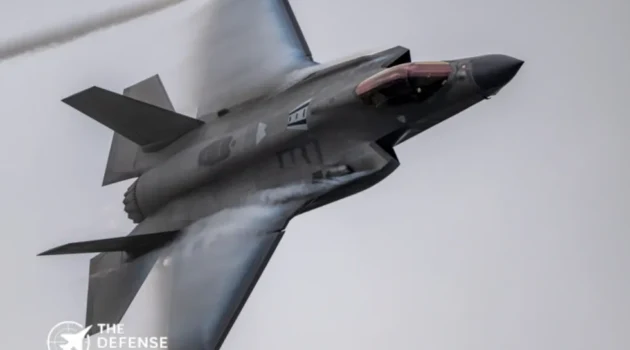
The statement carries weight beyond its immediate context. The Air Force is currently managing a generational transition in its aircraft fleet — from legacy F-15s and F-16s toward the F-35A, and eventually toward next-generation platforms including the classified Next Generation Air Dominance (NGAD) program. Retaining mid-career and senior pilots is critical to ensuring institutional knowledge transfers across that transition.
The emphasis on the fighter, bomber, and U-2 communities also reflects operational priorities. Fighter and bomber aircraft remain core to U.S. power projection in peer and near-peer conflict scenarios, while U-2 reconnaissance remains irreplaceable in contested intelligence-gathering environments.
The Broader Context: A Persistent Pilot Shortage
The aviation bonus program does not exist in a vacuum. The U.S. military aviation community has faced documented pilot shortages for nearly a decade. The Air Force has publicly acknowledged a shortfall of thousands of pilots across its rated workforce, driven by high operational tempo, competitive commercial salaries following post-pandemic aviation industry expansion, and quality-of-life concerns.
The FY26 AvB is one tool within a broader retention toolkit that includes quality-of-life improvements, assignment flexibility initiatives, and investment in training pipelines. But the financial incentive remains one of the most direct levers available to personnel planners.
Critically, the structural shift toward rewarding shorter contracts may also reflect feedback from retention surveys and exit interviews — data points suggesting that many separating pilots would have stayed for a shorter additional commitment at the right price, but were not willing to sign long-term extensions.
Analysis: Why This Program Matters Now
From a strategic workforce standpoint, the Air Force’s willingness to restructure bonus tiers mid-program lifecycle demonstrates institutional responsiveness. Rigid bonus structures that don’t account for individual career calculus tend to underperform. The FY26 adjustment suggests the service is applying lessons from previous cycles.
The inclusion of RPA pilots and combat systems officers alongside traditional aviators also reflects the evolving character of air warfare. As autonomous systems and remotely piloted platforms take on a larger share of combat missions, retaining qualified operators in these career fields becomes as strategically significant as keeping manned fighter cockpits filled.
The two-month application window — April 1 to May 31 — creates urgency without panic. Aviators considering separation will need to make a decision before the summer permanent change of station (PCS) season, which typically triggers many separation decisions.