

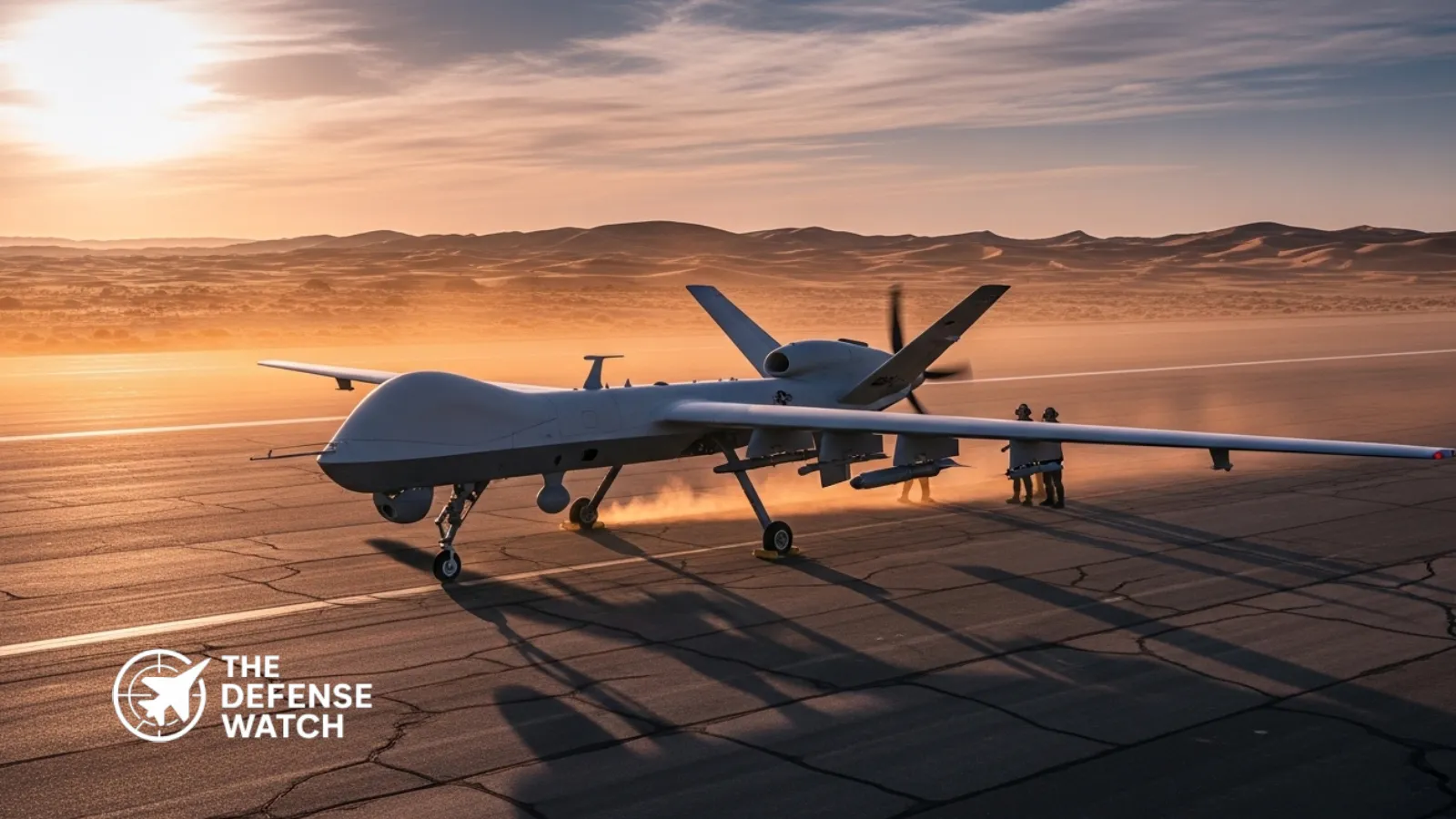
Libya Haftar Combat Drones Signal Growing Airpower Shift
Libya Haftar combat drones are reshaping the military balance in the country, as eastern-based forces continue to expand their unmanned aerial capabilities despite longstanding United Nations restrictions.
Forces aligned with Khalifa Haftar have recently acquired additional combat drones, underscoring persistent violations of the UN arms embargo imposed in 2011. The embargo was intended to limit the flow of weapons into Libya following the سقوط of Muammar Gaddafi, yet enforcement has remained inconsistent.
The newly acquired drones are expected to support both surveillance and precision strike missions, giving Haftar’s Libyan National Army a more flexible and lower-risk operational toolset in a fragmented security environment.
- Libya’s eastern forces led by Khalifa Haftar have reportedly acquired new combat drones despite a UN arms embargo.
- The drones are believed to enhance reconnaissance and strike capabilities across contested regions.
- The UN embargo on Libya has been in place since 2011 but faces repeated violations by multiple actors.
- External suppliers and covert logistics networks continue to sustain Libya’s fragmented military landscape.
- The development reflects a broader regional trend of increased UAV use in irregular and proxy conflicts.
Expanding UAV Capabilities In A Fragmented Battlespace
The Libya Haftar combat drones development reflects a broader shift toward unmanned warfare in irregular conflicts. UAVs offer a cost-effective alternative to traditional airpower, particularly in regions where air force infrastructure is limited or degraded.
In Libya, where rival governments and militias control different territories, drones have become central to maintaining situational awareness and conducting targeted operations. Haftar’s forces have previously relied on foreign-supplied UAVs, including systems believed to originate from regional backers.
The latest acquisitions suggest a continued effort to modernize capabilities despite diplomatic constraints. Analysts note that drones allow forces to project power without exposing pilots or requiring advanced airbases, a key advantage in Libya’s contested terrain.
Persistent Weaknesses In UN Arms Embargo Enforcement
The Libya Haftar combat drones case highlights ongoing challenges in enforcing the UN arms embargo. Multiple UN reports over the past decade have documented violations by various international actors, including covert arms transfers and logistical support networks.
These supply chains often operate through third countries, private contractors, or unofficial channels, complicating attribution and accountability. As a result, both eastern and western factions in Libya have continued to access advanced weaponry.
Reuters cited UN experts who have repeatedly warned that the embargo lacks sufficient enforcement mechanisms. Maritime monitoring and aerial surveillance have improved, but gaps remain, particularly in land-based smuggling routes.
From a strategic perspective, this erosion of embargo effectiveness has allowed localized conflicts to escalate into proxy battlegrounds influenced by external powers.
Strategic Implications For Regional Security
The expansion of Libya Haftar combat drones carries implications beyond Libya’s borders. North Africa and the broader Middle East have seen rapid adoption of UAV technologies, driven by affordability and operational success in conflicts such as those in Yemen, Syria, and Nagorno-Karabakh.
In Libya, drones have already played a decisive role in past offensives, including the 2019–2020 battle for Tripoli. The renewed buildup suggests that unmanned systems will remain central to future military planning.
From an operational standpoint, drones enhance intelligence, surveillance, and reconnaissance capabilities while enabling precision strikes with limited collateral risk when properly employed. However, their proliferation also increases the likelihood of miscalculation and escalation.
The continued flow of such systems into Libya raises concerns about long-term stability, particularly as political reconciliation efforts remain fragile.
Drone Proliferation And The Future Of Libyan Conflict
The Libya Haftar combat drones acquisition reflects a deeper trend of technological diffusion in modern warfare. As UAV systems become more accessible, non-state actors and semi-regular forces are increasingly able to field capabilities once limited to advanced militaries.
This shift is reshaping conflict dynamics. Instead of large-scale conventional engagements, forces can rely on persistent surveillance and targeted strikes, often with deniability.
For Libya, this means that even in the absence of major offensives, the conflict can remain active at a lower intensity but with sustained tactical engagements. The presence of drones also complicates ceasefire monitoring and enforcement.
Ultimately, the continued buildup of unmanned systems underscores the limitations of existing international control mechanisms and highlights the need for updated frameworks addressing emerging technologies.
