- ► Filming activity reported at Rosyth dockyard involving a Royal Navy aircraft carrier.
- ► HMS Prince of Wales currently undergoing maintenance and preparation cycles.
- ► Rosyth remains a central hub for UK carrier sustainment and industrial support.
- ► The UK’s Queen Elizabeth class carriers are key to NATO maritime power projection.
- ► Activity underscores long term investment in British naval modernization.
Royal Navy Aircraft Carrier Filming At Rosyth Draws Attention To UK Naval Power
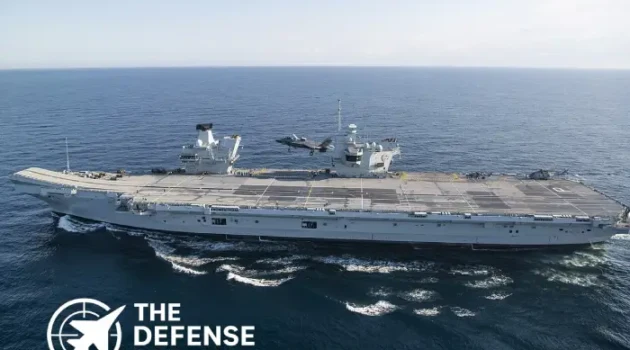
Royal Navy aircraft carrier activity at Rosyth has drawn renewed attention to the United Kingdom’s maritime capabilities, following reports of filming taking place at the dockyard.
According to Royal Navy, cameras were spotted at the Rosyth facility in Scotland, where one of the Royal Navy’s flagship carriers is currently alongside. The activity appears linked to media or documentary production rather than operational changes, but it has nonetheless placed focus on Britain’s carrier fleet.
Rosyth dockyard, operated by Babcock International, plays a central role in the maintenance and sustainment of the Royal Navy’s largest surface combatants. The site was instrumental in assembling sections of the Queen Elizabeth class aircraft carriers and remains critical for through life support.
HMS Prince Of Wales At Rosyth
The vessel at Rosyth is understood to be HMS Prince of Wales, one of two Queen Elizabeth class aircraft carriers in service with the Royal Navy.
HMS Prince of Wales has undergone periods of maintenance and technical updates since entering service. These cycles are standard for complex warships, particularly aircraft carriers that integrate aviation systems, propulsion, combat management, and logistics at scale.
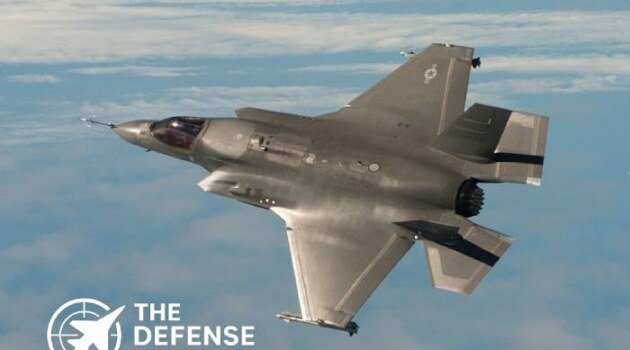
The Queen Elizabeth class, which also includes HMS Queen Elizabeth, represents the largest warships ever built for the Royal Navy. Each carrier displaces around 65,000 tonnes and is designed primarily to operate the F-35B Lightning II stealth fighter.
Why Rosyth Matters
Rosyth is more than a maintenance facility. It is a symbol of the UK’s carrier strike regeneration after a decade long gap in fixed wing carrier aviation.
(adsbygoogle = window.adsbygoogle || []).push({});The UK retired its Invincible class carriers in the early 2010s, creating a period during which Britain lacked a conventional carrier strike capability. The introduction of the Queen Elizabeth class restored that capacity and aligned the UK more closely with U.S. and NATO carrier operations.
The Rosyth facility anchors the industrial backbone behind this effort. Carrier sustainment requires a continuous pipeline of skilled labor, dock capacity, and supply chain integration. Without that infrastructure, carrier availability would degrade quickly.
In that context, even routine filming at Rosyth highlights something larger. It reflects the political and strategic importance attached to the UK’s carrier force.
Carrier Strike In A NATO Framework
The Royal Navy aircraft carrier force operates as the centerpiece of the UK Carrier Strike Group. This formation typically includes Type 45 destroyers, Type 23 frigates, support vessels from the Royal Fleet Auxiliary, and allied warships.
(adsbygoogle = window.adsbygoogle || []).push({});During its 2021 deployment to the Indo Pacific, HMS Queen Elizabeth led a multinational task group that included U.S. and Dutch vessels. The deployment signaled the UK’s intent to maintain a global maritime presence.
Today, carrier operations are increasingly tied to NATO planning, particularly in the North Atlantic and European theaters. As tensions persist with Russia and instability continues in other regions, carrier strike groups provide flexible response options.
From a U.S. perspective, British carrier capability complements U.S. Navy force posture. Interoperability with the F 35B, shared data links, and joint training enhance coalition effectiveness.
Media Spotlight And Strategic Messaging
Filming activity at Rosyth may appear routine, but defense communications matter. Public visibility reinforces domestic support for large capital ships that require significant budget allocations.
Aircraft carriers are expensive to build and sustain. Their value lies not only in combat power but also in deterrence and diplomacy. Port visits, exercises, and media coverage all contribute to that role.
By showcasing a Royal Navy aircraft carrier in dock, media projects can help illustrate the scale and complexity of the program. For taxpayers and policymakers, visibility supports accountability and transparency.
(adsbygoogle = window.adsbygoogle || []).push({});At the same time, the operational reality remains unchanged. There has been no indication of new deployments or mission shifts tied to the filming itself.
Industrial And Strategic Implications
The Queen Elizabeth class carriers represent one of the largest defense investments in modern British history. Their lifecycle will extend decades, requiring sustained funding and modernization.
Rosyth’s ongoing role ensures that the UK retains sovereign industrial capacity for major naval platforms. That factor is significant as European nations reassess defense industrial resilience.
(adsbygoogle = window.adsbygoogle || []).push({});For Washington, London’s ability to field a credible carrier strike group strengthens transatlantic burden sharing. The U.S. Navy remains the dominant carrier force globally, but allied contributions matter in contested environments.
As global maritime competition intensifies, platforms like HMS Prince of Wales serve both operational and symbolic functions.
The recent Royal Navy aircraft carrier activity at Rosyth, though centered on filming, underscores the enduring importance of Britain’s carrier program. It also highlights the industrial foundation that sustains it.