- ► Airbus unveiled two advanced rotorcraft concepts focused on NATO future airpower requirements.
- ► Designs emphasize higher speed, survivability, and modular mission systems for contested environments.
- ► Concepts align with NATO modernization priorities and future vertical lift requirements.
- ► Airbus positions the designs as European options for next generation combat and transport missions.
- ► The announcement comes amid intensifying transatlantic competition in advanced rotorcraft development.
Airbus Dual Rotorcraft Concepts Target NATO Future Airpower Capabilities
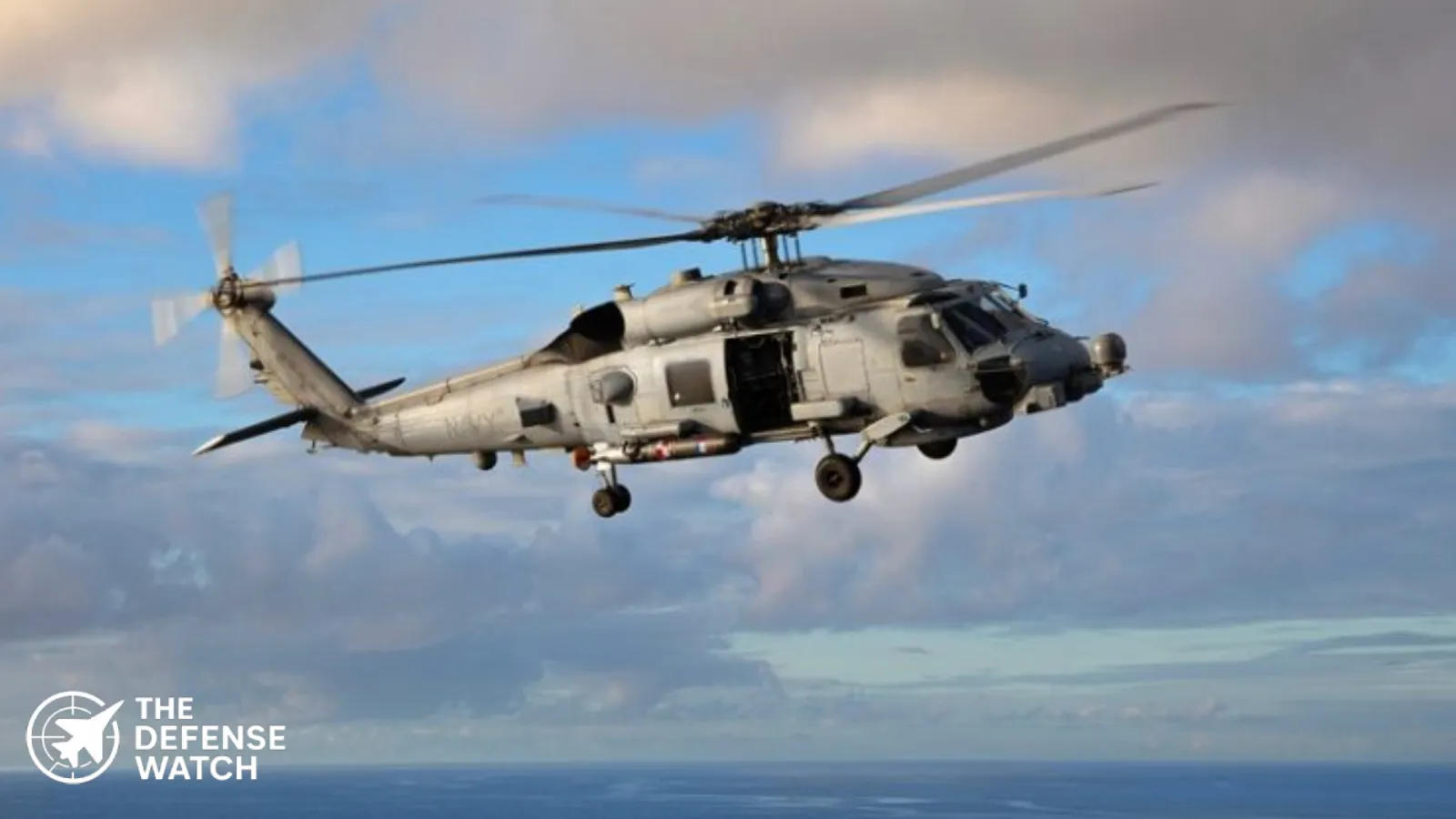
Airbus dual rotorcraft concepts are designed to support NATO future airpower capabilities as the alliance prepares for high intensity operations against near peer threats.
The European aerospace firm introduced two next generation rotorcraft studies aimed at expanding speed, survivability, and mission flexibility beyond current helicopter fleets. The concepts are positioned as potential contributors to NATO’s evolving force structure, particularly in the context of rapid reinforcement and distributed operations across Europe.
According to Airbus, The designs reflect Airbus’ intent to align closely with NATO capability planning, including requirements for enhanced mobility, improved protection, and advanced digital integration.
Focus On Speed And Survivability
While detailed specifications remain limited, both rotorcraft concepts emphasize higher cruise speeds than conventional helicopters. This focus mirrors broader Western efforts to overcome one of rotary wing aviation’s longstanding limitations, namely limited dash speed and range compared to fixed wing aircraft.
Higher speed rotorcraft can reduce exposure time in contested airspace, a key consideration as NATO planners account for integrated air defense systems fielded by Russia and other potential adversaries. Recent conflicts in Ukraine have underscored the vulnerability of legacy helicopters operating within range of modern surface to air missiles and loitering munitions.
(adsbygoogle = window.adsbygoogle || []).push({});Airbus appears to be responding to that operational reality. By exploring new aerodynamic configurations and propulsion concepts, the company aims to bridge the gap between traditional helicopters and tiltrotor or compound aircraft designs.
This effort parallels U.S. Army modernization programs such as Future Vertical Lift, though Airbus’ approach is tailored to European and NATO requirements.
Modular Design For Multi Role Operations
Another core element of the Airbus dual rotorcraft concepts is modularity. The aircraft are expected to support a range of missions, including troop transport, special operations insertion, medical evacuation, and potentially armed escort roles.
NATO’s defense planning documents emphasize flexible, interoperable platforms capable of operating across allied forces. A modular rotorcraft architecture would allow rapid reconfiguration based on mission demand, reducing logistics burdens and lifecycle costs.
For European nations balancing rising defense budgets with industrial policy goals, domestically developed platforms also offer strategic advantages. Airbus, headquartered in Europe, positions itself as a key industrial partner capable of sustaining regional supply chains while contributing to alliance level capability targets.
Strategic Context: NATO Modernization Drive
The unveiling of Airbus dual rotorcraft concepts comes amid accelerated defense spending across NATO member states. Since Russia’s full scale invasion of Ukraine in 2022, European governments have committed to increasing readiness and replacing aging equipment.
(adsbygoogle = window.adsbygoogle || []).push({});Helicopter fleets across Europe include platforms such as the NH90 and Tiger, both produced by European consortia that include Airbus. Many of these aircraft entered service in the 2000s and will require upgrades or replacement in the coming decades.
NATO’s 2022 Strategic Concept calls for strengthened deterrence and defense posture along the alliance’s eastern flank. Rapid air mobility, vertical lift, and survivable logistics are central to that objective. In this context, advanced rotorcraft capable of operating in contested environments become more than a procurement issue. They become part of the alliance’s deterrence framework.
Airbus’ announcement signals an effort to shape that discussion early. By presenting conceptual designs now, the company can influence requirement setting and multinational cooperation frameworks.
Industrial Competition And Transatlantic Dynamics
The rotorcraft sector is increasingly competitive. In the United States, Bell and Sikorsky are advancing high speed designs under Army programs. European governments must decide whether to join U.S. initiatives, develop indigenous systems, or pursue hybrid approaches.
Airbus dual rotorcraft concepts therefore carry political weight beyond their technical characteristics. A European led program could reinforce strategic autonomy goals articulated by several EU member states, while still operating within NATO’s integrated command structure.
At the same time, interoperability with U.S. forces remains essential. Any future NATO rotorcraft platform must integrate with alliance communications networks, data links, and logistics systems.
(adsbygoogle = window.adsbygoogle || []).push({});Balancing autonomy with interoperability will shape the future of NATO air mobility planning.
What Comes Next
Airbus has not announced a formal development timeline or launch customer for the concepts. As with many early stage studies, progression to a funded program will depend on national defense budgets and alliance level coordination.
Still, the unveiling of Airbus dual rotorcraft concepts marks a clear signal. Europe’s largest aerospace company intends to compete in the next generation vertical lift space and anchor part of NATO future airpower capabilities within a European industrial framework.
For defense planners, the question is no longer whether rotary wing aviation must evolve. It is how quickly alliance members can translate concept designs into fielded capability in an increasingly contested security environment.