- ► GE Aerospace and Kratos won a US Air Force award to design an expendable unmanned aircraft engine.
- ► The engine will support affordable, high volume unmanned combat air systems.
- ► Program focuses on low cost propulsion optimized for one way or limited life missions.
- ► The award aligns with the Air Force push for collaborative combat aircraft and attritable platforms.
- ► Development will leverage GE Aerospace propulsion expertise and Kratos unmanned systems experience.
GE Aerospace And Kratos Win US Air Force Award For Expendable Drone Engine Development
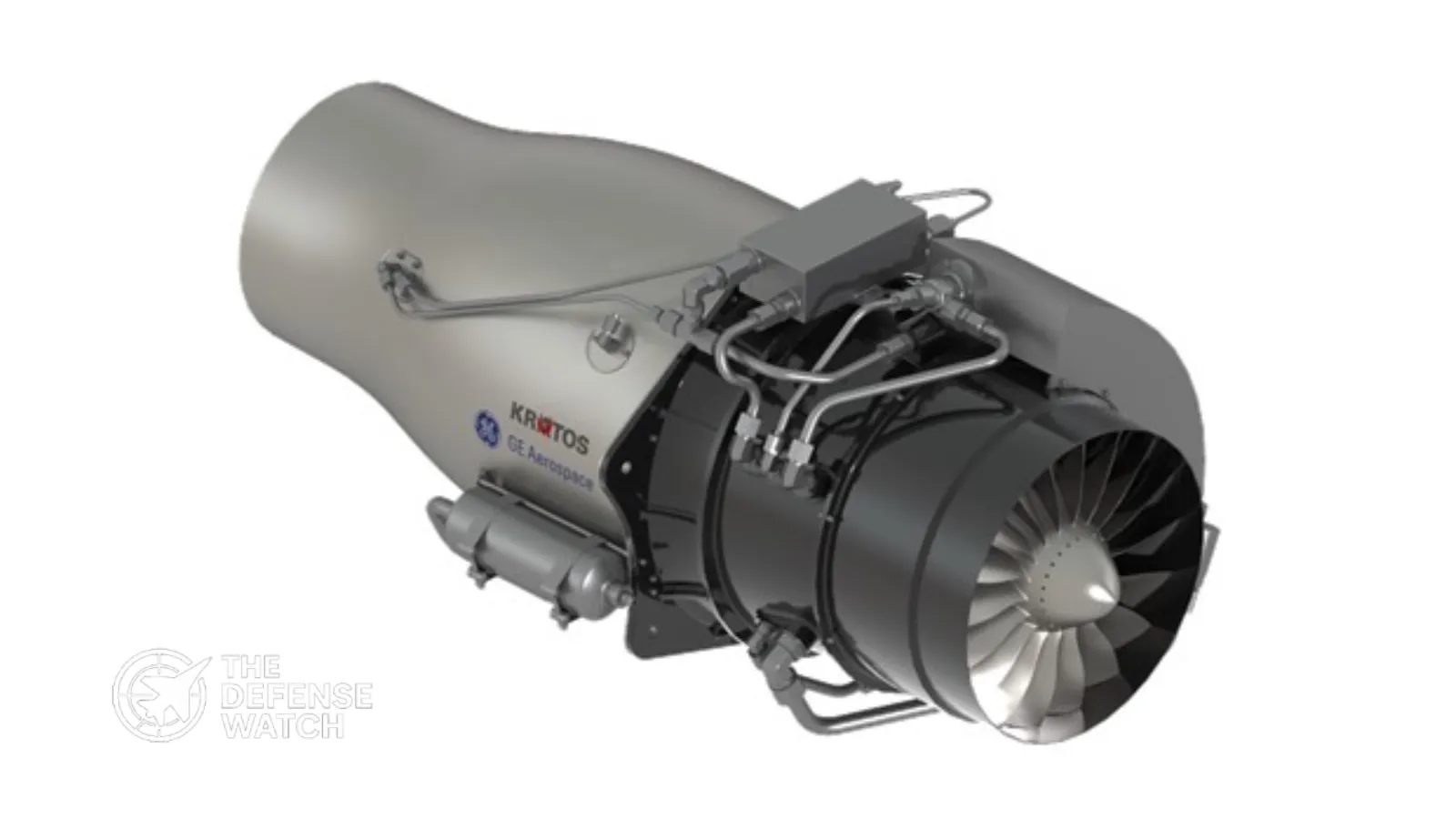
GE Aerospace and Kratos have secured a US Air Force award to design an expendable drone engine intended for affordable, next generation unmanned combat aircraft.
The contract brings together GE Aerospace and Kratos Defense & Security Solutions under a US Air Force initiative focused on low cost, high performance propulsion for attritable platforms.
(adsbygoogle = window.adsbygoogle || []).push({});According to a company statement, the engine will be purpose built for unmanned aircraft designed for one way missions or limited operational lifespans. The goal is to reduce cost per flight hour while maintaining sufficient performance for contested environments.
The award was issued by the United States Air Force as part of its broader push to field more affordable autonomous systems at scale.
Supporting The Collaborative Combat Aircraft Vision
The expendable drone engine program aligns with the Air Force’s collaborative combat aircraft strategy. That effort aims to pair manned fighters with autonomous unmanned aircraft capable of reconnaissance, electronic warfare, strike, or decoy missions.
While the Air Force has not disclosed the specific airframe associated with this propulsion effort, industry observers note that attritable or expendable systems are central to future force design. By lowering unit cost, the service can deploy larger numbers of aircraft without assuming the financial risk tied to traditional fighter programs.
Kratos has extensive experience in this segment. The company produces several unmanned systems designed for target drones, tactical missions, and high risk operations. GE Aerospace, meanwhile, brings decades of propulsion development across military and commercial platforms.
(adsbygoogle = window.adsbygoogle || []).push({});By combining Kratos’ unmanned aircraft integration background with GE’s turbine expertise, the Air Force appears to be pursuing a modular, scalable propulsion solution tailored for mass production.
Why Expendable Engines Matter
An expendable drone engine differs from traditional fighter jet engines in both cost structure and lifecycle expectations. Instead of designing for thousands of flight hours, the emphasis shifts to affordability, simplified manufacturing, and rapid production.
This approach reflects lessons from recent conflicts where inexpensive drones have reshaped air defense and strike operations. Large volumes of low cost systems can saturate defenses, complicate targeting, and provide operational flexibility.
For the Air Force, building an industrial base capable of producing such engines at scale is as important as raw performance. Cost discipline, supply chain resilience, and rapid assembly are likely to be core metrics in the program.
(adsbygoogle = window.adsbygoogle || []).push({});The award also signals confidence in industry partnerships that can move quickly from concept to prototype. GE Aerospace has been advancing small engine architectures suited for unmanned applications, while Kratos continues to invest in high performance, affordable drone platforms.
Industrial And Strategic Implications
The GE Aerospace and Kratos partnership underscores a broader shift in US airpower planning. Rather than relying solely on exquisite, high cost aircraft, the Air Force is building a layered force structure.
Attritable and expendable systems offer several advantages:
- Reduced financial risk in high threat environments
- Greater operational mass
- Faster technology refresh cycles
- Flexibility in mission design
The engine program supports this shift by targeting propulsion as a key cost driver. Historically, advanced jet engines have been among the most expensive components of combat aircraft. Simplifying that architecture without sacrificing mission effectiveness could enable new operational concepts.
From an industrial perspective, the contract strengthens domestic propulsion development. It reinforces the role of established engine manufacturers while opening pathways for integration with emerging unmanned platforms.
What Comes Next
The initial award focuses on design and development. Testing, integration, and potential low rate production decisions will depend on performance milestones and Air Force budget priorities.
(adsbygoogle = window.adsbygoogle || []).push({});As the Air Force refines requirements for collaborative combat aircraft and related unmanned systems, propulsion choices will directly influence range, payload capacity, and survivability.
The GE Aerospace expendable drone engine effort therefore represents more than a single contract. It reflects a structural change in how the United States plans to generate airpower in contested theaters.
By investing in affordable propulsion, the Air Force is positioning itself to field larger numbers of autonomous aircraft capable of supporting manned fighters and operating independently when required.