KEY FACTS AT A GLANCE
- ► $25 million sole-source contract awarded to Liquid Robotics Inc.
- ► Procurement of 20 commercial unmanned surface vehicles.
- ► Includes control software, payloads, and launch and recovery equipment.
- ► Work performed in Herndon, Virginia, through Feb. 16, 2028.
- ► Contract supports Foreign Military Sales to Japan.
- ► Air Force Test Center at Eglin Air Force Base is the contracting activity.
Liquid Robotics Awarded $25M Contract For 20 Unmanned Surface Vehicles
The US Department of Defense has awarded a $25 million contract to Liquid Robotics Inc. for the procurement of 20 commercial unmanned surface vehicles under a Foreign Military Sales agreement with Japan.
According to the official contract announcement, the award covers not only the unmanned surface vehicles but also associated control software, payload integration, and peripheral launch and recovery equipment. Work will be performed in Herndon, Virginia, with completion expected by Feb. 16, 2028.
The contract was issued by the Air Force Test Center at Eglin Air Force Base under contract number FA2823-26-C-0006.
Sole-Source Award Supporting Japan FMS
The $25 million contract was awarded on a sole-source basis. Funding will come from fiscal 2026 research, development, test and evaluation funds, along with fiscal 2026 Foreign Military Sales funds. The full contract value will be obligated at the time of award.
This procurement falls under the US Foreign Military Sales framework, a government-to-government mechanism managed by the Department of Defense that enables partner nations to acquire US defense equipment and services. Japan remains one of the United States’ closest security allies in the Indo-Pacific region.
Scope: Vehicles, Software, Payloads
The Liquid Robotics contract includes:
- 20 commercial unmanned surface vehicles
- Control software systems
- Mission payload integration
- Launch and recovery support equipment
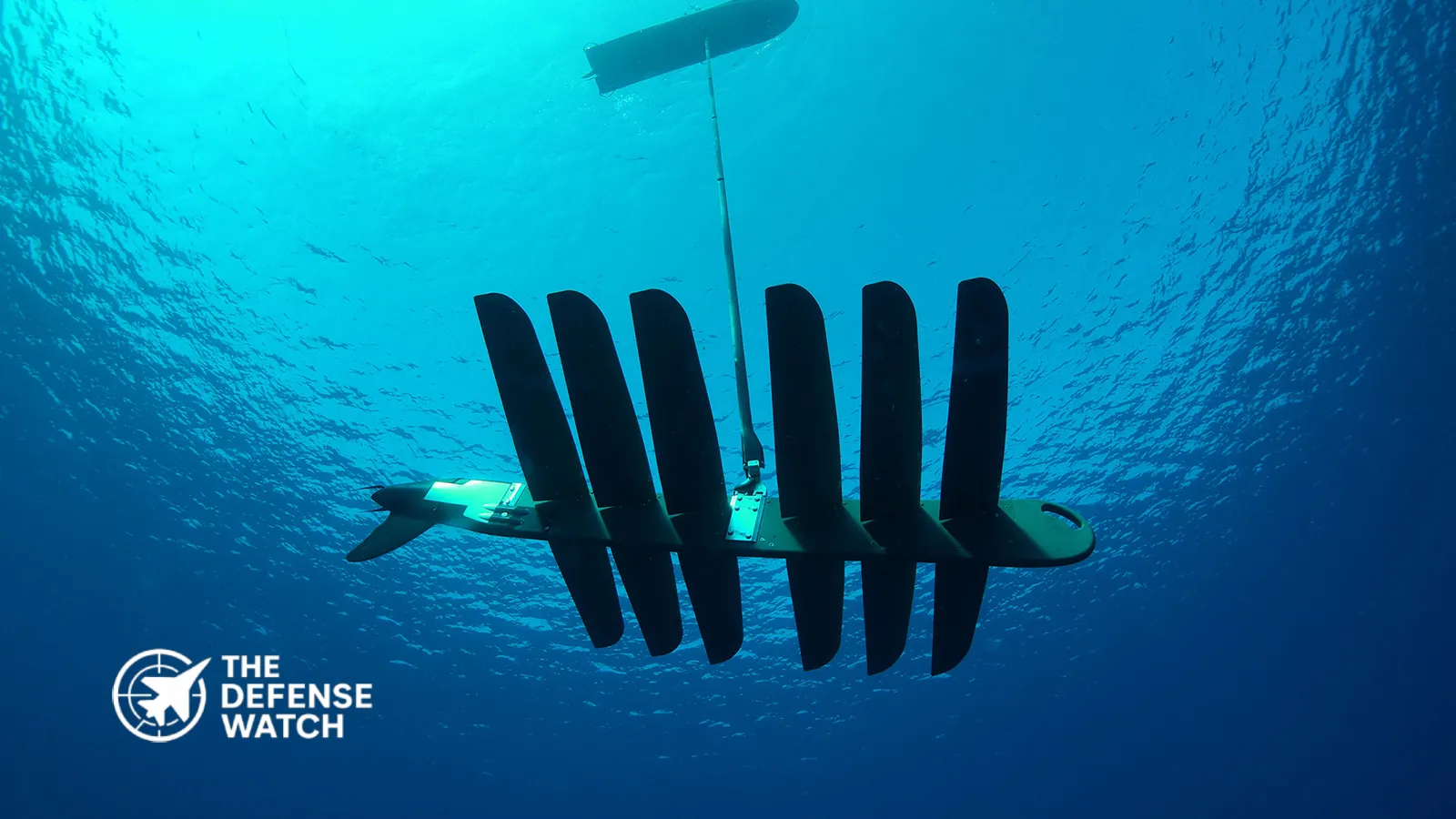
While the specific configuration for Japan was not disclosed in the announcement, Liquid Robotics is widely known for its Wave Glider family of long-endurance unmanned surface platforms. These systems use wave-powered propulsion combined with solar energy to support persistent maritime surveillance and data collection missions.
The inclusion of control software and payload support suggests the vehicles will be tailored to Japan’s operational requirements, potentially supporting maritime domain awareness, oceanographic research, or security monitoring tasks.
Growing Role Of Unmanned Surface Vehicles
Unmanned surface vehicles are playing an expanding role in maritime operations worldwide. They provide persistent coverage without placing crew at risk and can operate for extended periods with limited logistical support.
For Japan, an island nation with vast exclusive economic zones and increasing maritime security demands, unmanned surface vehicles offer a cost-effective way to enhance surveillance and data collection across wide areas of ocean.
The United States and Japan have steadily expanded defense cooperation in recent years, including joint exercises, advanced weapons procurement, and technology collaboration. This Liquid Robotics contract underscores the continued integration of unmanned and autonomous systems into allied maritime strategies.
Strategic Context
The Indo-Pacific region has seen heightened attention on maritime security, freedom of navigation, and protection of sea lanes. While the Department of Defense did not provide mission-specific details, unmanned surface vehicles are commonly used for:
- Intelligence, surveillance, and reconnaissance
- Anti-submarine warfare support
- Environmental and oceanographic monitoring
- Communications relay
By leveraging commercial unmanned surface vehicle technology, the Japan FMS program may accelerate deployment timelines while reducing acquisition risk.
Contract Timeline And Execution
All work under the contract will take place in Herndon, Virginia, the company’s primary operational base. Completion is scheduled for early 2028.
The award aligns with broader US efforts to integrate autonomous maritime systems across services and allied networks. The Air Force Test Center’s involvement reflects the cross-domain application of emerging technologies, including evaluation, testing, and integration support for partner nations.
As unmanned systems continue to shape modern maritime operations, the Liquid Robotics contract highlights the growing demand for long-endurance, commercially derived platforms within allied security frameworks.