UK Denies F 35 Kill Switch Claims
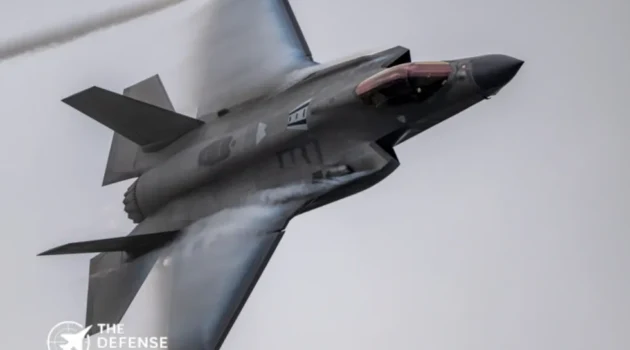
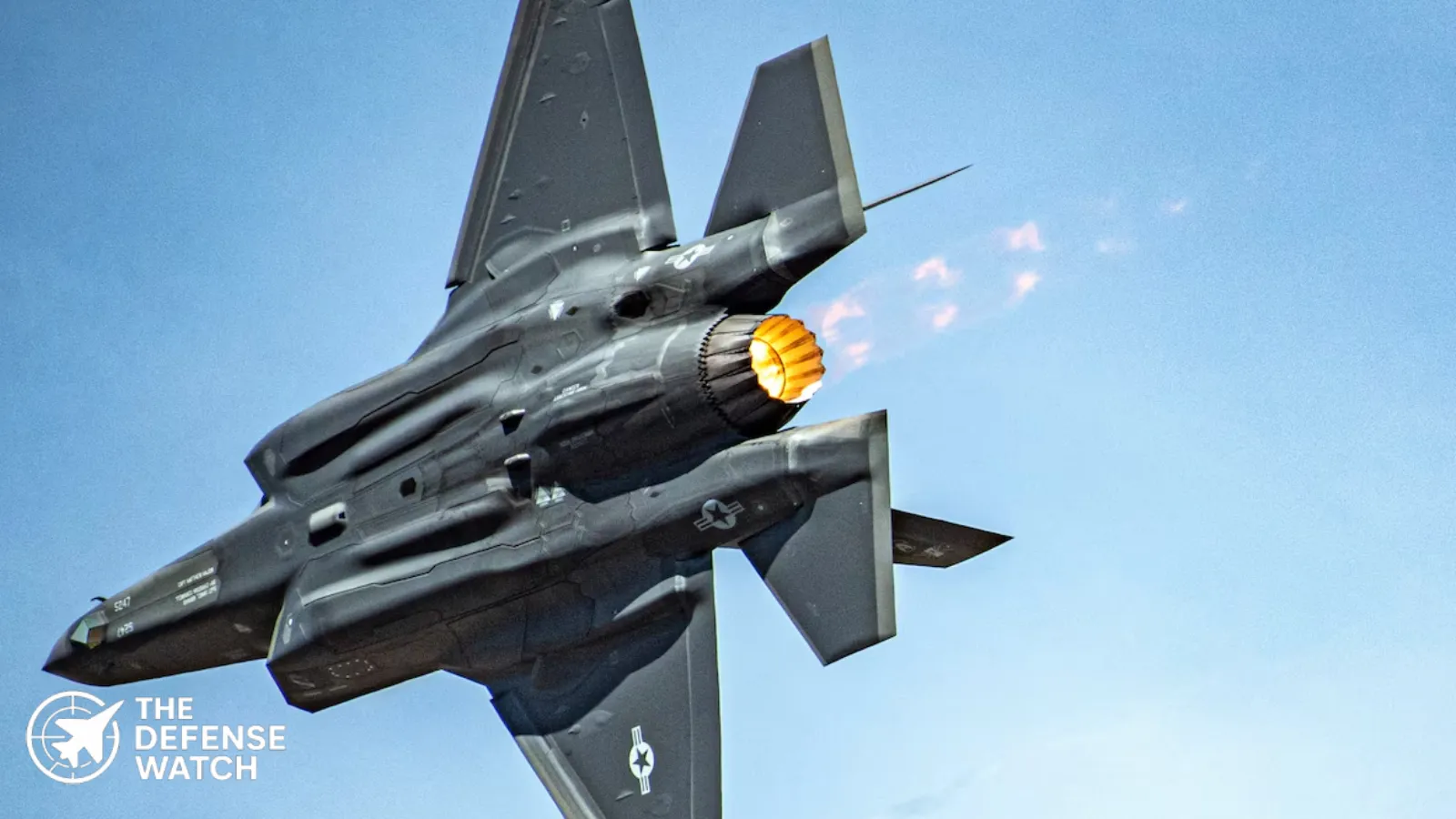
The UK has rejected claims that the United States can remotely disable allied F 35 fighter jets, pushing back against what it describes as persistent misinformation surrounding the aircraft’s software and logistics systems.
The denial follows renewed debate over whether Washington retains the ability to ground or neutralize foreign operated F 35 Lightning II aircraft through software control, data access, or sustainment mechanisms. The issue has resurfaced amid rising global concerns over defense sovereignty, export controls, and the increasing role of software in modern combat aircraft.
According to a UK Defence Journal report, British officials have stated that there is no kill switch embedded in the F 35 that allows the United States to remotely deactivate aircraft operated by partner nations.
What Sparked the Kill Switch Debate
Claims about a so called F 35 kill switch have circulated for years, often reappearing during periods of geopolitical tension involving US allies or export customers. Critics argue that because the F 35 relies heavily on US managed software, mission data, and sustainment networks, Washington could theoretically restrict aircraft availability during a political dispute.
The debate has intensified as countries reassess reliance on US defense systems, particularly those involving cloud based logistics, encrypted mission data files, and continuous software updates.
The F 35 program involves more than a dozen partner nations, including the United Kingdom, Italy, Japan, Australia, and several NATO allies. All variants of the aircraft depend on a common digital backbone that supports maintenance planning, mission preparation, and system upgrades.
UK Government Response
In response to the claims, UK defense officials emphasized that the F 35 does not contain a remote disable mechanism. They stated that while the aircraft relies on US developed systems, operational control of UK F 35s remains with the Royal Air Force and Royal Navy.
British officials acknowledged that the aircraft depends on US supplied software updates and mission data, but stressed that this does not equate to an ability for the United States to switch off allied jets at will.
The UK position mirrors previous statements from the US Department of Defense and Lockheed Martin, both of which have consistently denied the existence of any kill switch functionality.
Understanding F 35 Software Dependence
The F 35 is often described as a flying computer. Its combat effectiveness depends on millions of lines of software code that manage sensors, weapons integration, electronic warfare, and data fusion.
Key systems include mission data files that define threat libraries and sensor behavior, as well as sustainment platforms that manage spare parts, maintenance schedules, and system health monitoring.
Historically, these systems were managed through the Autonomic Logistics Information System, later replaced by the Operational Data Integrated Network. Both systems are US controlled, although partner nations increasingly operate sovereign data environments connected to the wider network.
This architecture has fueled concerns that access to updates or data could be restricted during a diplomatic crisis, even without a direct kill switch.
Sovereignty Versus Interoperability
Defense analysts note that the real issue is not a hidden kill switch, but the balance between sovereignty and interoperability.
Modern multinational weapons programs are designed to ensure seamless cooperation among allies. This requires shared standards, common software baselines, and centralized update processes.
In practice, this means that no F 35 operator can fully modify or independently sustain the aircraft without US involvement. However, analysts argue this is a known and accepted trade off that enables coalition operations, shared logistics, and lower long term costs.
The UK has invested heavily in sovereign mission data reprogramming capabilities, allowing it to tailor threat libraries for its own operational needs while remaining within the broader F 35 ecosystem.
Why the Claims Persist
Despite repeated official denials, kill switch claims continue to circulate due to several factors.
First, the increasing role of software in weapons systems makes external control seem more plausible to the public. Second, export restrictions and past arms embargoes reinforce the perception that suppliers retain ultimate leverage. Third, online misinformation and oversimplified reporting often blur the distinction between logistical dependence and operational control.
Defense experts emphasize that grounding aircraft through spare parts denial or software update suspension is fundamentally different from remotely disabling jets already in service.
Implications for Allies and Buyers
For current and prospective F 35 operators, the debate underscores broader questions about digital dependence in next generation weapons systems.
Countries such as Canada, Germany, and Finland have all faced domestic scrutiny over reliance on US controlled platforms. Similar concerns have emerged in discussions around unmanned systems, missile defense networks, and space based assets.
The UK stance suggests that while dependence exists, it does not equate to loss of control. London continues to frame the F 35 as a cornerstone of its combat air strategy and a critical enabler of NATO operations.
Program Reality Check
With more than one thousand F 35s delivered globally and the aircraft actively deployed in combat and deterrence missions, no evidence has emerged to support claims of a remote disable function.
Instead, experts point to governance agreements, contractual frameworks, and alliance politics as the real mechanisms that shape how advanced military systems are used.
As defense platforms become more networked and software driven, transparency and public understanding will remain essential to maintaining trust in multinational programs.