Air Force Leaders Call for Enhanced Communications After Successful Iran Strike
The U.S. Air Force must improve how it securely transmits critical information with bombers and other aircraft following last summer’s strikes on Iranian nuclear facilities, according to senior military officials who identified command-and-control gaps during the mission.
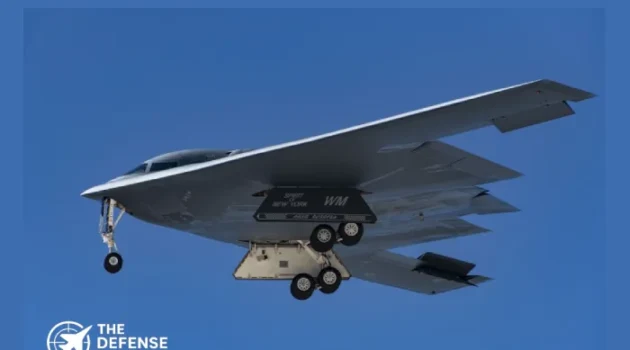
Lt. Gen. Jason Armagost, deputy commander of Air Force Global Strike Command, emphasized the need for enhanced communications architecture during a Mitchell Institute for Aerospace Studies conference in Arlington, Virginia, on Thursday. The remarks come seven months after Operation Midnight Hammer, the June 22, 2025, B-2 Spirit bomber-led strikes that successfully destroyed three deeply buried Iranian nuclear facilities.
The operation demonstrated both the Air Force’s strike capabilities and critical vulnerabilities in how mission-critical data moves between aircraft and commanders during combat operations.
Operation Midnight Hammer Reveals Communications Vulnerabilities
Operation Midnight Hammer utilized Massive Ordnance Penetrator weapons—nearly 26,000 pounds of steel designed to penetrate 200 feet of mountain rock—to destroy Iranian nuclear facilities buried deep underground. While the mission succeeded through careful engineering, intelligence gathering, and coordination, it exposed weaknesses in the Air Force’s command-and-control networks.
If that package is not able to communicate the status of their forces and the ‘go’ from the mission commander, then that is a foul on all of us,” Armagost stated during the conference panel discussing lessons learned from the operation.
The general’s comments underscore growing concerns that current communications systems may not provide the secure, real-time data transmission necessary for future penetrating strike missions against sophisticated adversaries.
Balancing Communications Capabilities with Command Authority
Maj. Claire Randolph, chief of weapons and tactics for U.S. Air Forces Central Command, agreed that communications capabilities and intelligence sharing require improvement during combat operations. However, she cautioned against unintended consequences of enhanced connectivity.
Randolph warned that providing combatant commanders with direct communications links to cockpits could undermine aircrew commander authority and lead to operational decision-making by personnel without complete situational awareness.
“Let’s imagine you have a wire direct from the CENTCOM commander to the cockpit of every B-2 or the cockpit of every F-16,” Randolph explained. “There’s a liability there to add decision-making authority without all the awareness. We have to improve our communications capabilities, but we also have to be very careful to bound the authority that ends up touching the cockpit.
The major emphasized the risk of involving personnel outside the aircraft who should not participate in tactical decision-making processes.
B-21 Raider to Feature Advanced Data-Sharing Capabilities
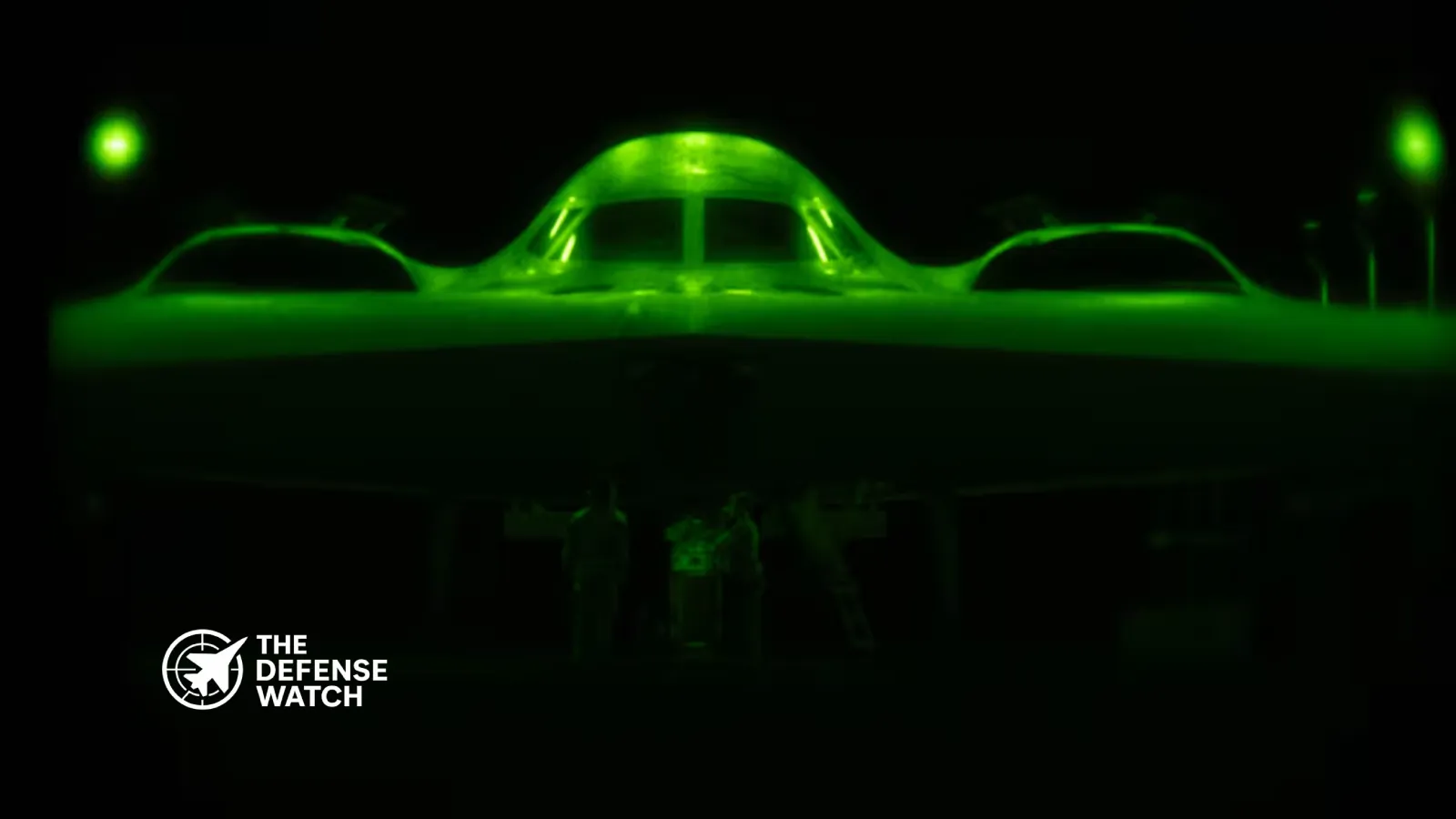
The Air Force is positioning the in-development B-21 Raider stealth bomber as a solution to current communications challenges. Northrop Grumman, the aircraft’s manufacturer, has promoted the B-21 as the world’s first sixth-generation aircraft, partly due to its advanced data-sharing capabilities.
Armagost confirmed the Air Force plans to leverage these capabilities to improve command-and-control and communications systems. It’s definitely how we’re configuring going forward,” he told Defense News when asked about the B-21 and improved combat communications.
The general indicated that operations similar to Midnight Hammer will look different—and potentially be easier to execute—once the Raider integrates into the Air Force’s fleet.
Current B-2 Fleet Carries Stealth Strike Burden
The B-2 Spirit currently serves as the Air Force’s only operational stealth bomber. The platform has demonstrated its value in high-risk penetrating strike missions against hardened targets, but aging communications systems limit its effectiveness in contested environments where secure, real-time data transmission proves critical.
The B-21 Raider program represents the Air Force’s effort to field a next-generation platform combining stealth characteristics with modern communications architecture capable of supporting complex, coordinated strike operations.
Implications for Future Strike Operations
The communications challenges identified during Operation Midnight Hammer carry significant implications for future Air Force operations. As adversaries develop more sophisticated air defense systems and anti-access/area-denial capabilities, the ability to securely transmit mission updates, target information, and status reports becomes increasingly vital.
(adsbygoogle = window.adsbygoogle || []).push({});Military analysts suggest the Air Force must balance three competing priorities: maintaining secure communications that prevent adversary interception, ensuring sufficient bandwidth for real-time data sharing, and preserving appropriate command authority at the tactical level.
The service’s investment in the B-21 Raider program indicates recognition that next-generation strike platforms require communications systems designed from the ground up to support distributed operations in contested environments.
Looking Ahead
Air Force Global Strike Command continues evaluating lessons learned from Operation Midnight Hammer as the service prepares for the B-21 Raider’s eventual operational deployment. The timeline for the Raider’s initial operating capability remains classified, though testing continues to progress.
Military officials have not disclosed specific technical solutions under consideration for communications upgrades, citing operational security concerns. However, industry sources indicate potential approaches include advanced satellite communications systems, artificial intelligence-enabled network management, and quantum-resistant encryption protocols.
The Air Force’s focus on communications improvements reflects broader Department of Defense efforts to ensure Joint All-Domain Command and Control capabilities can support distributed operations across contested battlespaces.