Lockheed Martin Deploys Latest GPS III Satellite, Bolstering Military Navigation Resilience
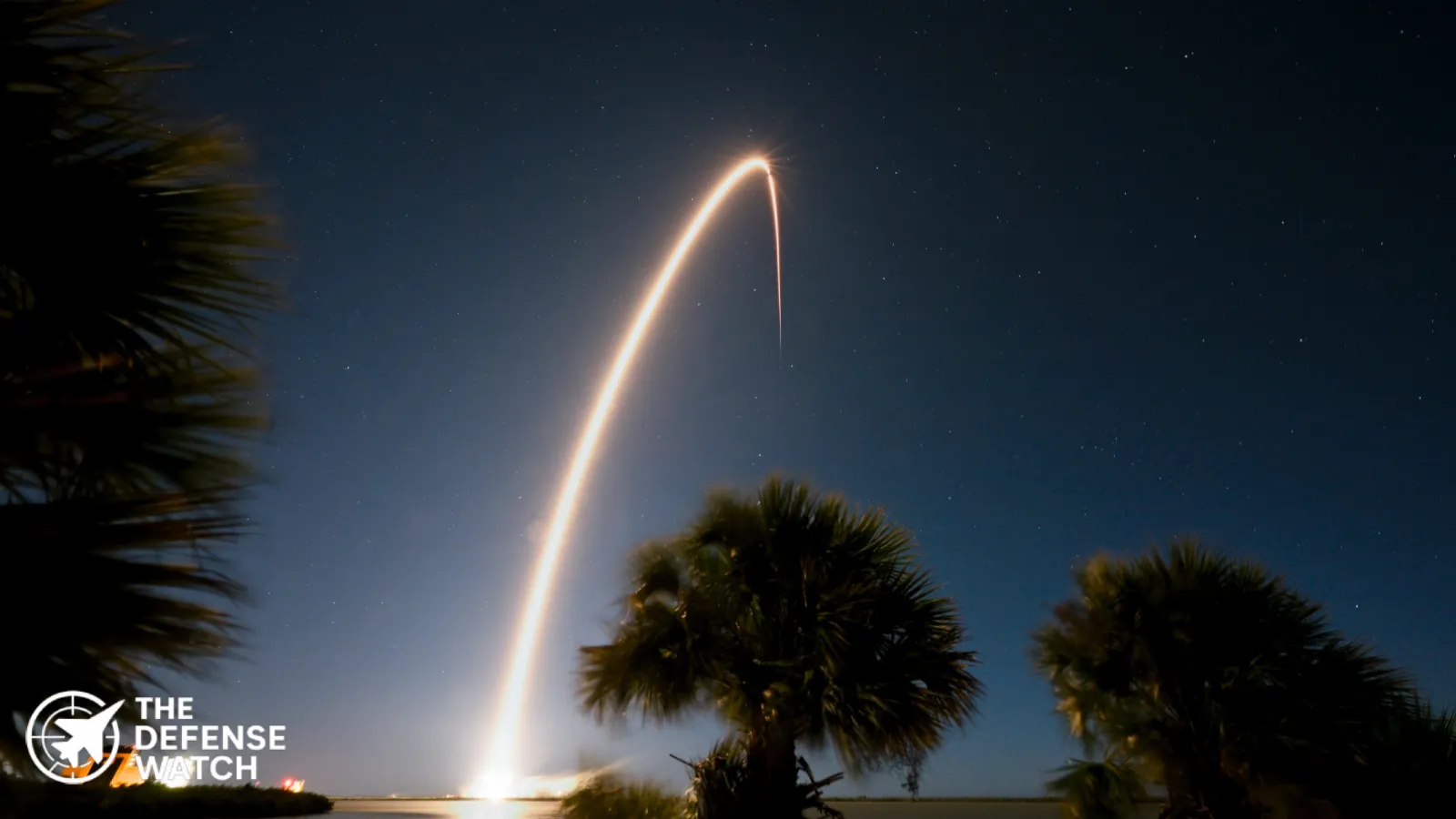
The GPS III SV09 satellite, manufactured by Lockheed Martin, successfully launched into orbit from Cape Canaveral Space Force Station late Tuesday evening at 11:53 p.m. ET aboard a SpaceX Falcon 9 rocket. This deployment represents a critical advancement in maintaining and modernizing the Global Positioning System constellation that provides essential navigation, timing, and positioning services for military and civilian users worldwide.
The satellite achieved signal acquisition shortly after reaching orbit and is currently under operational control at Lockheed Martin’s Denver Launch & Checkout Operations Center. The spacecraft will remain under the company’s supervision until official acceptance into the GPS operational control network, following comprehensive on-orbit testing and validation procedures.
Enhanced Military Capabilities for Contested Environments
The GPS III SV09 satellite delivers significantly improved capabilities specifically designed for military operations in challenged electromagnetic environments. According to Lockheed Martin, the GPS III satellite family provides three times better accuracy, eight times improved anti-jamming capabilities, and enhanced M-code navigation signals compared to previous GPS satellite generations.
These advanced features enable warfighters to maintain uninterrupted, precise navigation and timing capabilities in contested or denied environments where adversaries may attempt to jam or spoof GPS signals. The M-code navigation signal, a military-specific encrypted signal, provides additional security and anti-jamming protection for defense applications globally.
“The launch of GPS III SV09 is an important step in bolstering the resilience of the GPS constellation,” said Malik Musawwir, vice president of Navigation Systems at Lockheed Martin. By adding more resilient satellites to the constellation, we’re laying the foundation for the GPS IIIF-era, which will provide 60-times more anti-jam capabilities.
Strategic Importance of Constellation Sustainment
The deployment of GPS III SV09 addresses the critical need to sustain and expand the GPS constellation as existing satellites age. Maintaining adequate satellite coverage is essential for ensuring uninterrupted global positioning, navigation, and timing services that underpin numerous military operations, including precision-guided munitions, troop movements, logistics coordination, and strategic planning.
Beyond military applications, GPS satellites support essential civilian services including commercial aviation, precision agriculture, financial transaction timing, telecommunications network synchronization, and emergency response coordination. The integration of new GPS III spacecraft ensures continuity of these critical services while introducing enhanced capabilities.
Technical Innovations and Future Capabilities
GPS III SV09 incorporates several technological advances designed to strengthen signal resilience and accuracy. The satellite is equipped with a laser retroreflector array, a specialized instrument designed to improve measurements of the Earth’s orientation for the GPS coordinate system. This technology enables more precise geodetic measurements and contributes to enhanced overall system accuracy.
The GPS III satellite platform represents substantial improvements over earlier GPS satellite generations. Each GPS III satellite features a more powerful signal structure, improved atomic clocks for enhanced timing accuracy, a longer design life of 15 years, and enhanced radiation hardening to withstand harsh space environments.
GPS IIIF Next-Generation Development
Lockheed Martin has completed production of GPS III satellites SV01 through SV10 and is currently manufacturing next-generation GPS IIIF satellites. The GPS IIIF program represents a further evolution of GPS capabilities, with Musawwir noting that these forthcoming satellites will deliver 60 times more anti-jamming capabilities compared to current GPS III satellites.
(adsbygoogle = window.adsbygoogle || []).push({});The GPS IIIF satellites will incorporate additional improvements including enhanced regional military protection, improved accuracy for all users, a fully digital navigation payload for greater flexibility, and compatibility with international satellite navigation systems. This next generation will further strengthen the GPS constellation’s resilience against emerging threats in an increasingly contested space environment.
SpaceX Partnership and Launch Operations
The successful launch utilized SpaceX’s Falcon 9 rocket, continuing a partnership that has supported multiple GPS satellite deployments. The launch from Cape Canaveral Space Force Station followed standard mission profiles for GPS satellite deployment, with the spacecraft separating from the rocket’s upper stage and beginning its journey to operational orbit approximately 12,550 miles above Earth.
GPS satellites operate in medium Earth orbit, positioned to provide optimal global coverage with a constellation of approximately 31 operational satellites. The satellites are distributed across six orbital planes, ensuring that multiple satellites are visible from any point on Earth at any given time.
Global Defense Technology Leadership
The GPS III program demonstrates continued U.S. leadership in space-based positioning, navigation, and timing capabilities. As adversaries develop increasingly sophisticated electronic warfare and anti-satellite capabilities, maintaining a modern, resilient GPS constellation becomes critical for national security.
Lockheed Martin’s ongoing investment in GPS satellite technology aligns with broader Department of Defense priorities to ensure space superiority and maintain assured positioning, navigation, and timing capabilities. The company’s all-domain mission solutions and 21st Century Security vision emphasize delivering transformative technologies to maintain strategic advantages.
Economic and Industrial Impact
The GPS III and GPS IIIF programs support thousands of jobs across Lockheed Martin’s space division facilities, primarily in Colorado, with additional contributions from suppliers and partners nationwide. The program sustains critical technical expertise in satellite design, manufacturing, and integration while advancing capabilities in areas including radiation-hardened electronics, atomic clock technology, and secure communications.
Operational Timeline and Next Steps
Following signal acquisition, GPS III SV09 will undergo a comprehensive on-orbit checkout period where Lockheed Martin engineers verify all satellite systems are functioning as designed. This process typically includes testing solar array deployment, communications links, navigation payload performance, propulsion systems, and thermal control systems.
After successful completion of on-orbit testing, operational control will transfer to the U.S. Space Force’s 2nd Space Operations Squadron at Schriever Space Force Base in Colorado. The satellite will then be integrated into the operational GPS constellation, providing navigation services to military and civilian users worldwide.
Strategic Context and Future Outlook
The successful deployment of GPS III SV09 reinforces the importance of continuous modernization for critical space-based infrastructure. As military operations become increasingly dependent on precise positioning, navigation, and timing information, ensuring a robust and resilient GPS constellation remains a top national security priority.
With GPS IIIF satellites under development and the GPS III constellation expanding, the United States is positioned to maintain global leadership in satellite navigation services while providing warfighters with enhanced capabilities to operate effectively in contested electromagnetic environments. The ongoing investment ensures that GPS remains reliable, accurate, and resilient against emerging threats for decades to come.