China PADJ-X Software Targets B-21 Bomber Design
Chinese researchers claim a domestically developed stealth design tool has identified potential design vulnerabilities in the U.S. Air Force’s B-21 Raider bomber, according to a report by the South China Morning Post. The analysis is based on computer modeling rather than classified data and has not been independently verified.
The study centers on PADJ-X, a Chinese software platform designed to assess radar cross-section and electromagnetic characteristics of advanced aircraft shapes. Researchers involved say the tool can rapidly test stealth configurations and highlight areas that may increase radar exposure under certain conditions.
Claims Based on Open Modeling, Not Real B-21 Data
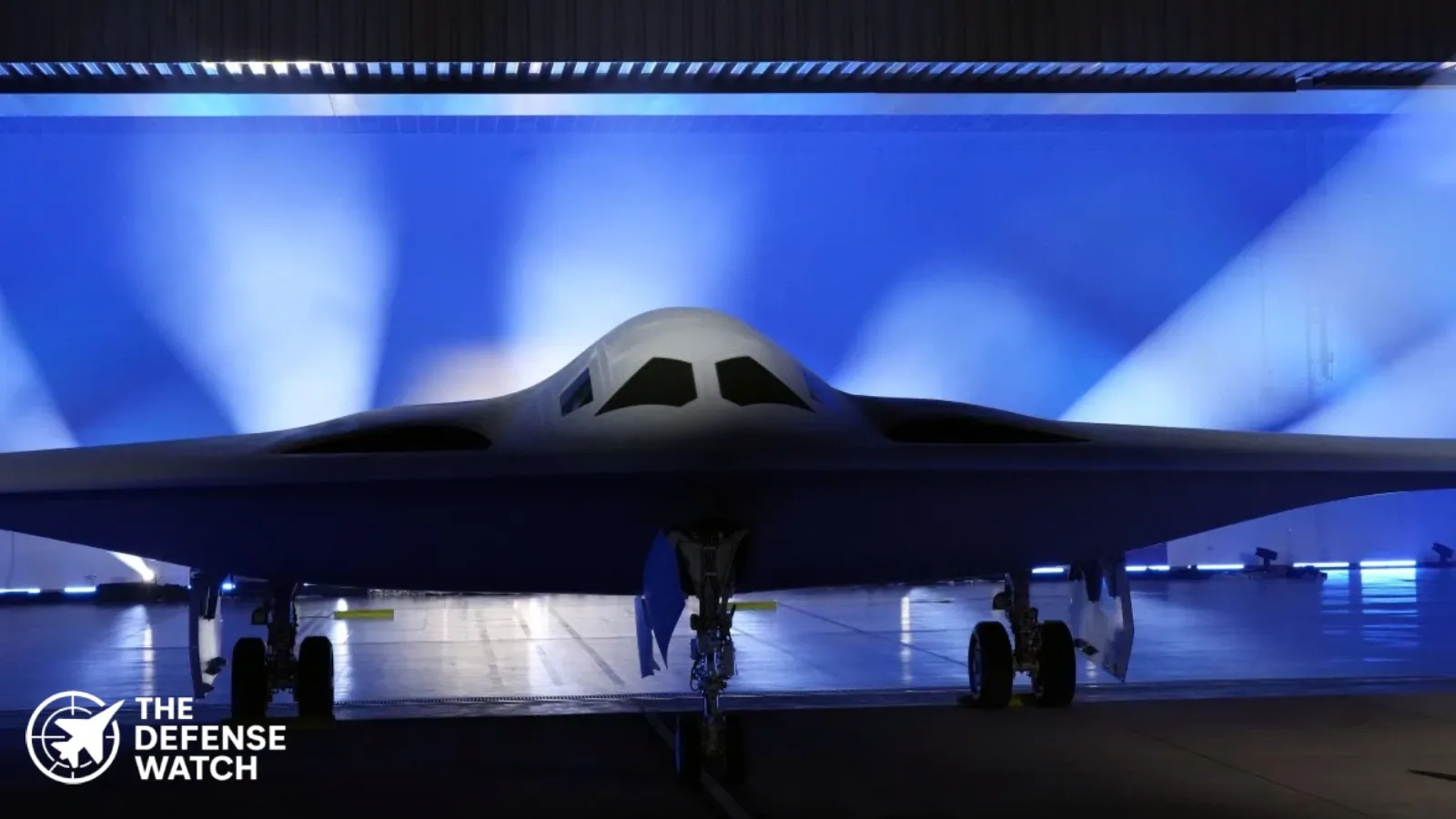
According to the report, the researchers modeled a bomber configuration believed to resemble the B-21 Raider using publicly available imagery and assumptions about stealth design principles. The team said their simulations suggested that some structural features could create localized increases in radar signature, depending on angle and frequency band.
The authors acknowledged the limitations of their work, noting that the actual B-21 bomber remains highly classified. Northrop Grumman and the U.S. Air Force have not released detailed design data, making any external assessment inherently speculative.
U.S. Officials Remain Silent on Chinese Analysis
There has been no response from the U.S. Department of Defense or Northrop Grumman regarding the claims. Defense analysts contacted by SCMP cautioned that modeling based on incomplete information cannot accurately reflect the performance of an operational stealth aircraft.
The B-21 Raider is designed to penetrate advanced air defense systems and is expected to incorporate low-observable features, advanced materials, and electronic warfare capabilities that go beyond external shaping alone.
Broader Context of China–U.S. Stealth Competition
The publication of the PADJ-X study highlights China’s push to advance its own stealth design and simulation tools as competition intensifies between major powers in long-range strike and bomber technology. China is believed to be developing its own next-generation stealth bomber, often referred to as the H-20, though details remain scarce.
Experts note that claims about adversary vulnerabilities are common in academic and military research but rarely reflect real-world performance without access to classified data and testing environments.